
Decades of breeding and farming crops mainly for yield have quietly reduced the concentration of essential nutrients in some foods, according to Hollow Harvests, a new report from the venture-building firm Deep Science Ventures (DSV). The report says declines of roughly 20-50% in several nutrients have been recorded in cereals and vegetables, and warns that a continuing trend could worsen micronutrient deficiencies.
The report sets this against large gains in output. Cereal yields per hectare have risen 215% since the 1960s, it says, and undernutrition in the developing world has fallen from 35% to 12%. Yet more than two billion people still have at least one clinical micronutrient deficiency. It cites a 2026 study finding that fewer than a third of bread-wheat varieties released since the 1960s meet the recommended target for zinc.
Eating more has so far masked the problem: global calorie supply has risen 38% since 1961. DSV argues that buffer is getting thinner. It says higher carbon dioxide levels could cut wheat protein by as much as 12.7% and zinc by 36.5% under mid-century scenarios, and that soil degradation limits what plants can take up. It also points to GLP-1 weight-loss drugs, which it says more than 100 million people in higher-income countries could be using by 2030 and which can reduce food intake by 16-39%. In its UK scenario, 15% use of the drugs together with a 15% fall in crop nutrient density could push about five million working-age adults below key micronutrient thresholds, with selenium, potassium and iron most exposed.
"For sixty years we've measured food security in calories and tonnes per hectare, and on those measures we've done remarkably well," said Will Summers, senior associate for climate at DSV. "But we've been quietly hollowing out what's inside our food."
Asked by AgNavigator whether getting people to eat more fruit, vegetables and fibre would do more for health, a DSV spokesperson said both were needed: richer crops mean little if people do not eat them, but falling nutrient density reduces the benefit of eating well.
The report argues the decline is not inevitable. It names breeding, soil health, micronutrient management and better nutrient uptake within the plant as ways to raise nutritional quality without necessarily giving up yield. Sian Ferguson of The Mark Leonard Trust said rebuilding soil health is one of the few measures that can improve nutrient density, yields and climate resilience at once, but farmers need support through the first years of the change. The report calls for nutrient density to be measured alongside yield in food-security reporting, for nutritional quality to be built into breeding and farm policy, and for the UK's food-composition data, last comprehensively revised for fruit and vegetables in 1991, to be updated.
The figures and scenarios are the report's own and have not been independently checked here.
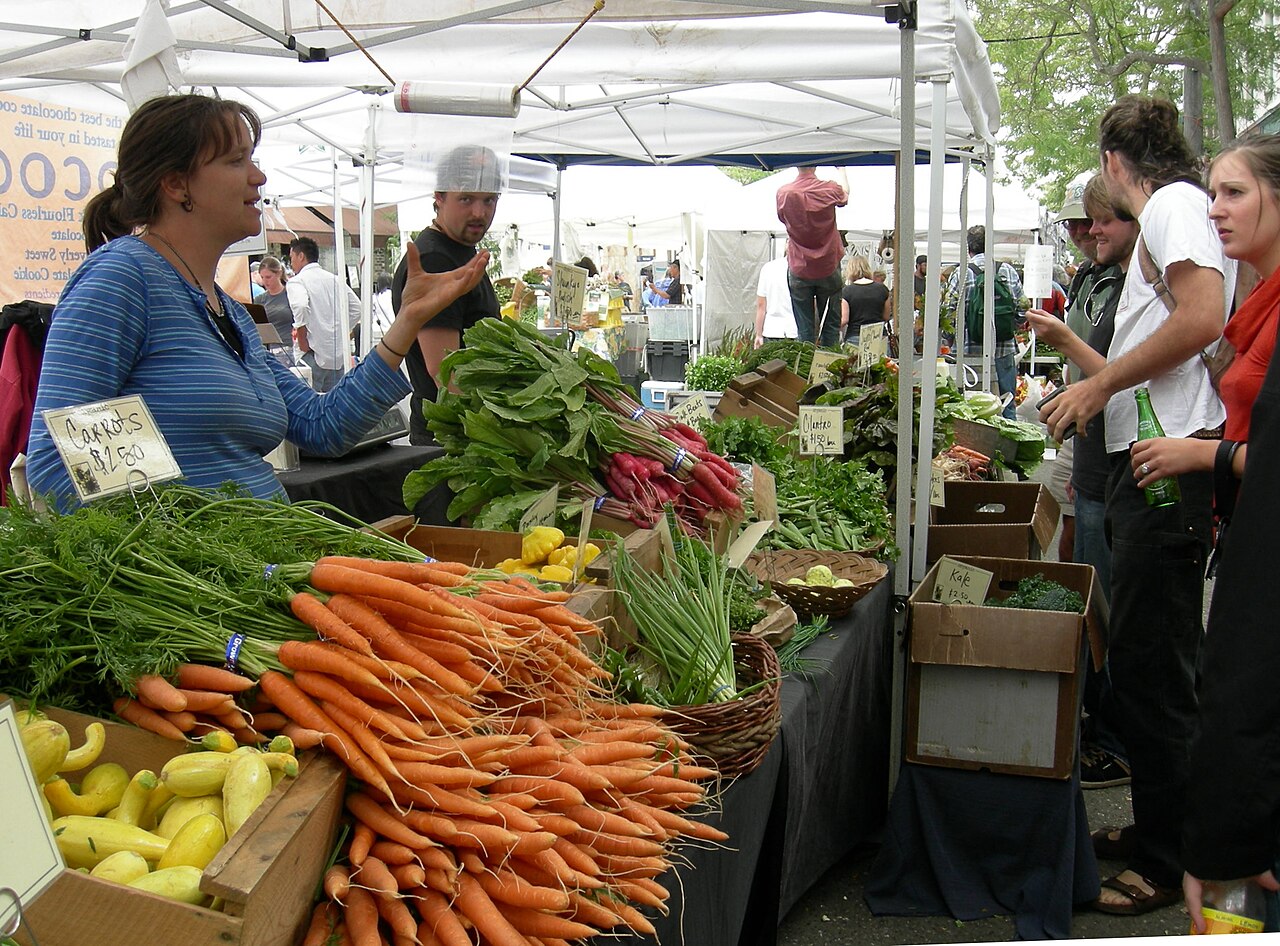
Photo: Joe Mabel / Wikimedia Commons (CC BY-SA 3.0)
Source: AgNavigator


Comments
(0)