
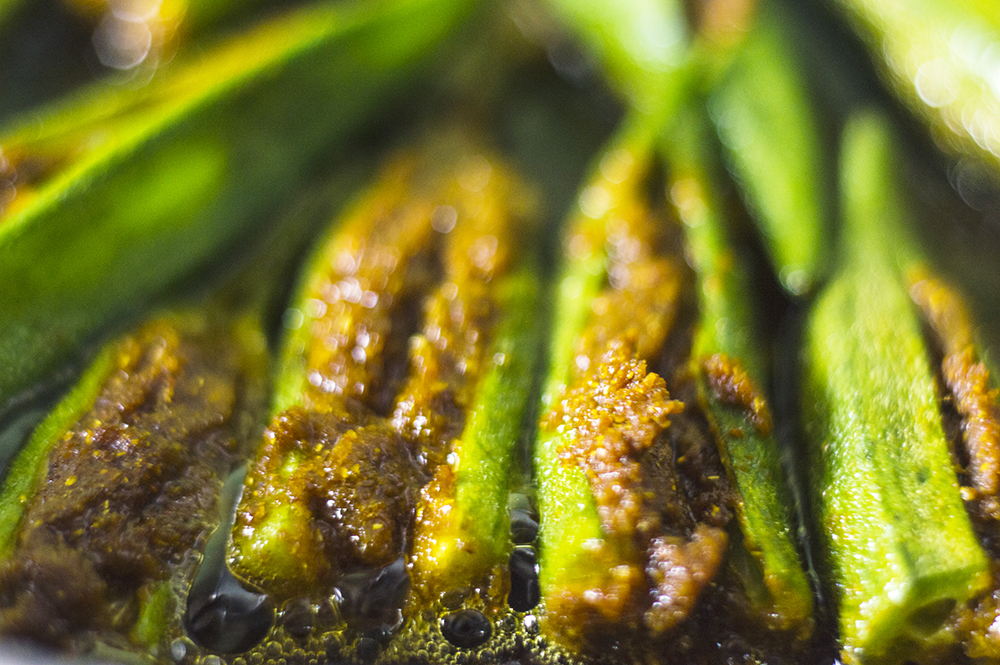
On 12 May 2026 the lifestyle desk of the Bangladeshi news site Jagonews24 published a recipe built on a simple swap: a crisp fry made from okra, dherosh in Bengali, instead of the usual potato. Cut into thin, long strips, coated lightly with spices, rice flour and cornflour and fried in a karahi, the okra, the report said, comes out crunchy on the outside and soft and tasty inside.
For many people, the report began, the word fry brings to mind golden, crunchy pieces of potato, but a little variety in the kitchen brings a new surprise in taste. It presented the okra fry as a dish that is quick to make and suits not only an afternoon snack but also the table when guests come, and it called the recipe worth trying at least once for anyone who wants a change of taste.
The recipe as published
The recipe is for 250 grams of okra and uses ingredients found in most Bangladeshi kitchens. Jagonews24 listed them as follows:
- Okra: 250 grams
- Red chilli powder: 1 teaspoon
- Turmeric powder: half a teaspoon
- Salt: to taste
- Rice flour: 2 tablespoons
- Cornflour: 1 tablespoon
- Oil: as much as needed for frying
- Green chillies: 2, slit
- Lemon juice: 1 teaspoon (optional)
- Black pepper or roasted cumin powder: half a teaspoon
The method comes in two stages, first preparing and coating the okra and then frying it. In the report's order:
- Wash the okra well and let the water drain off. If needed, wipe the pods dry with a tissue.
- Cut the okra into thin, long pieces.
- Sprinkle the cut okra with the salt, chilli powder, turmeric, rice flour and cornflour and mix lightly. Toss it in such a way that the pieces do not stick to one another.
- When the okra is coated, heat the oil in a karahi.
- Scatter the okra into the oil a little at a time and fry it over a medium flame, stirring as little as possible, until it turns brown.
- Add the green chillies.
- When the okra is crisp, take it off the heat, sprinkle it with the lemon juice and a little roasted cumin powder, and serve it hot.
The ingredient list offers black pepper as an alternative to roasted cumin powder for the final seasoning and marks the lemon juice as optional. The report gave no cooking time and no oil temperature: the cook judges the okra by its colour and by when it turns crisp.
Okra, the vegetable behind the dish
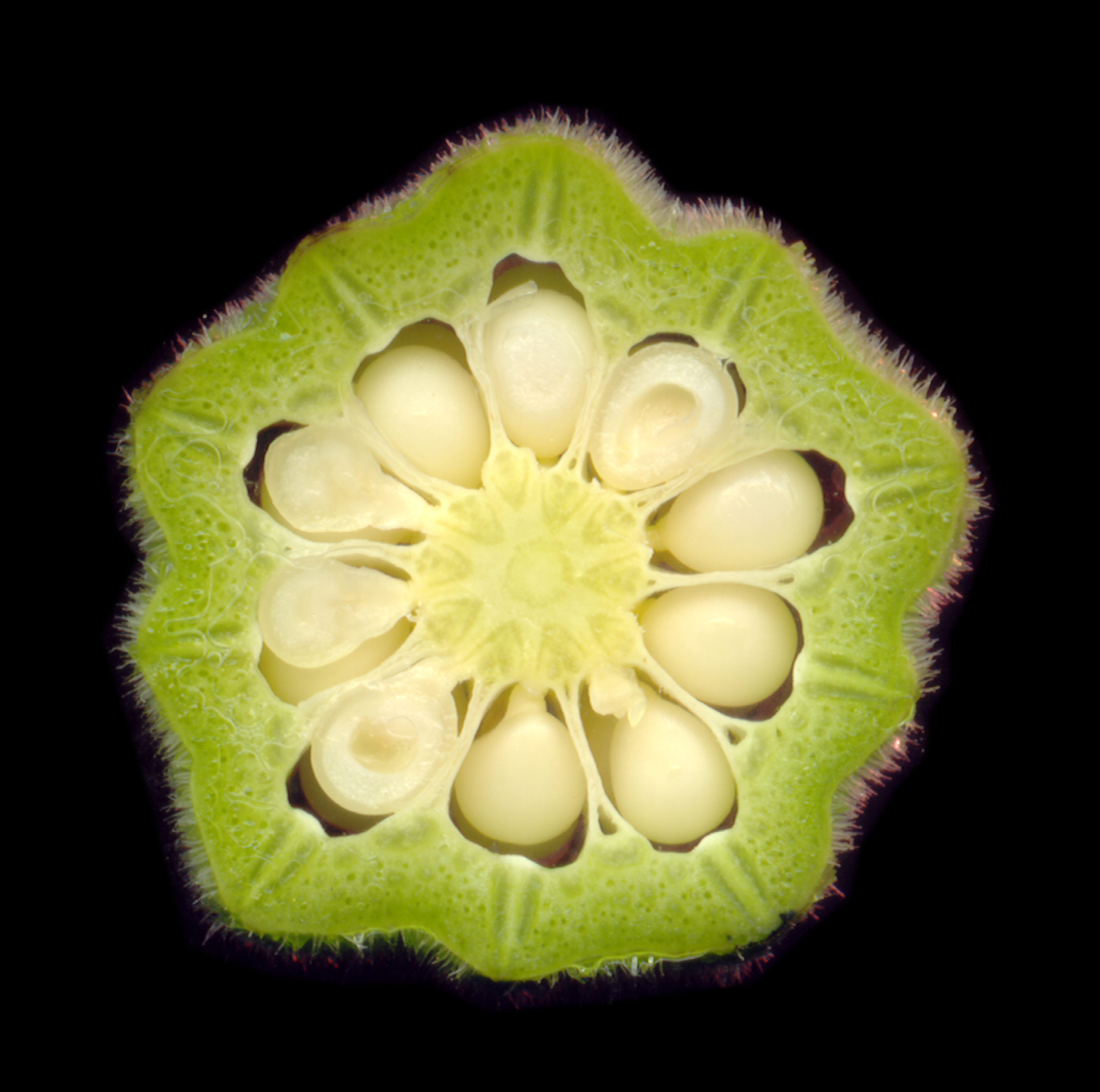
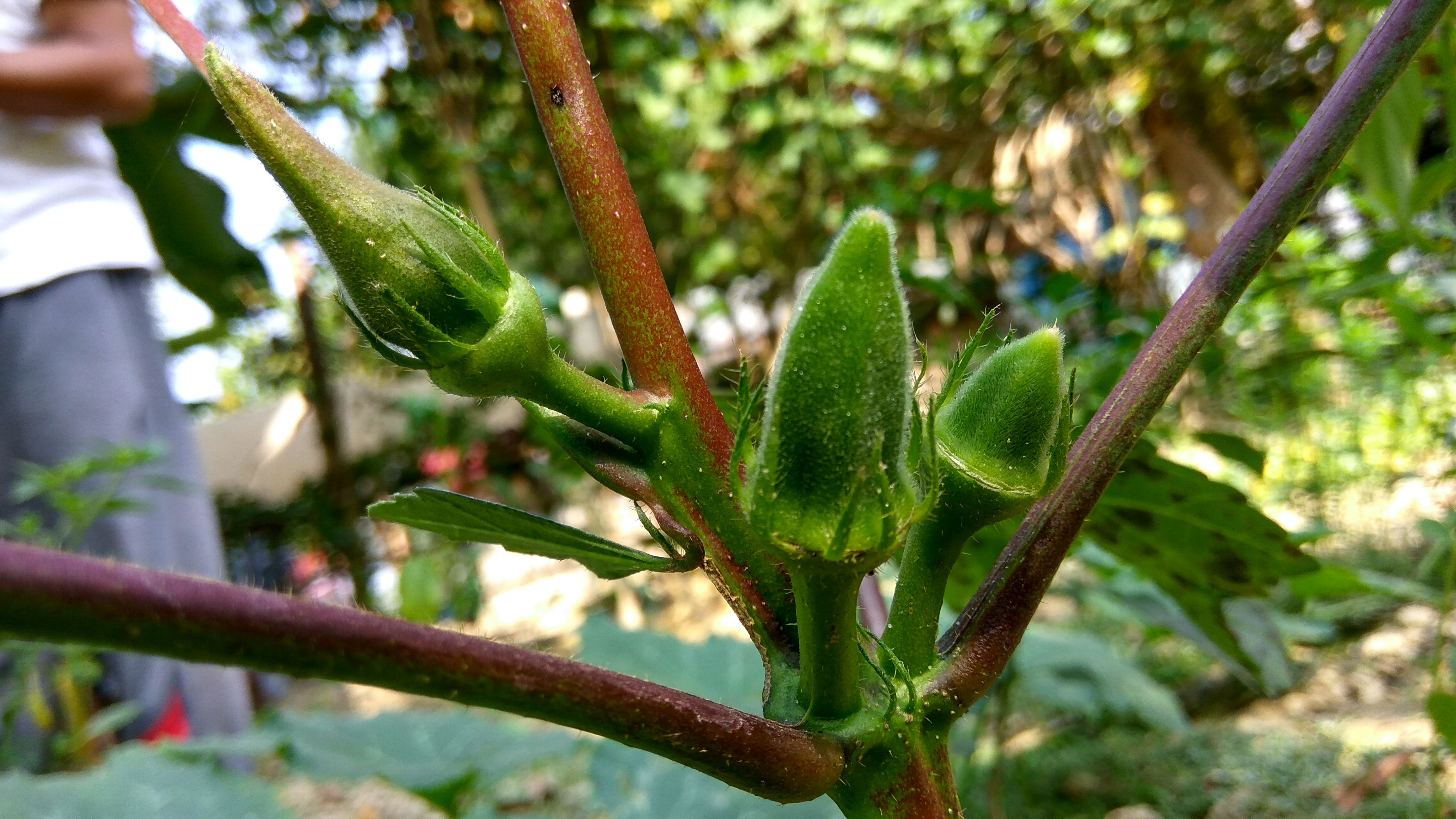
Banglapedia, the national encyclopedia of Bangladesh, describes okra as a shrub, Abelmoschus esculentus, of the mallow family Malvaceae, bearing beaked, mucilaginous pods that are used in soups, stews and other dishes. Its fruits, the entry says, are green and 14 to 18 centimetres long, with five ridges and elongated tips, and the plant grows in almost every part of the country during the summer and rainy season.
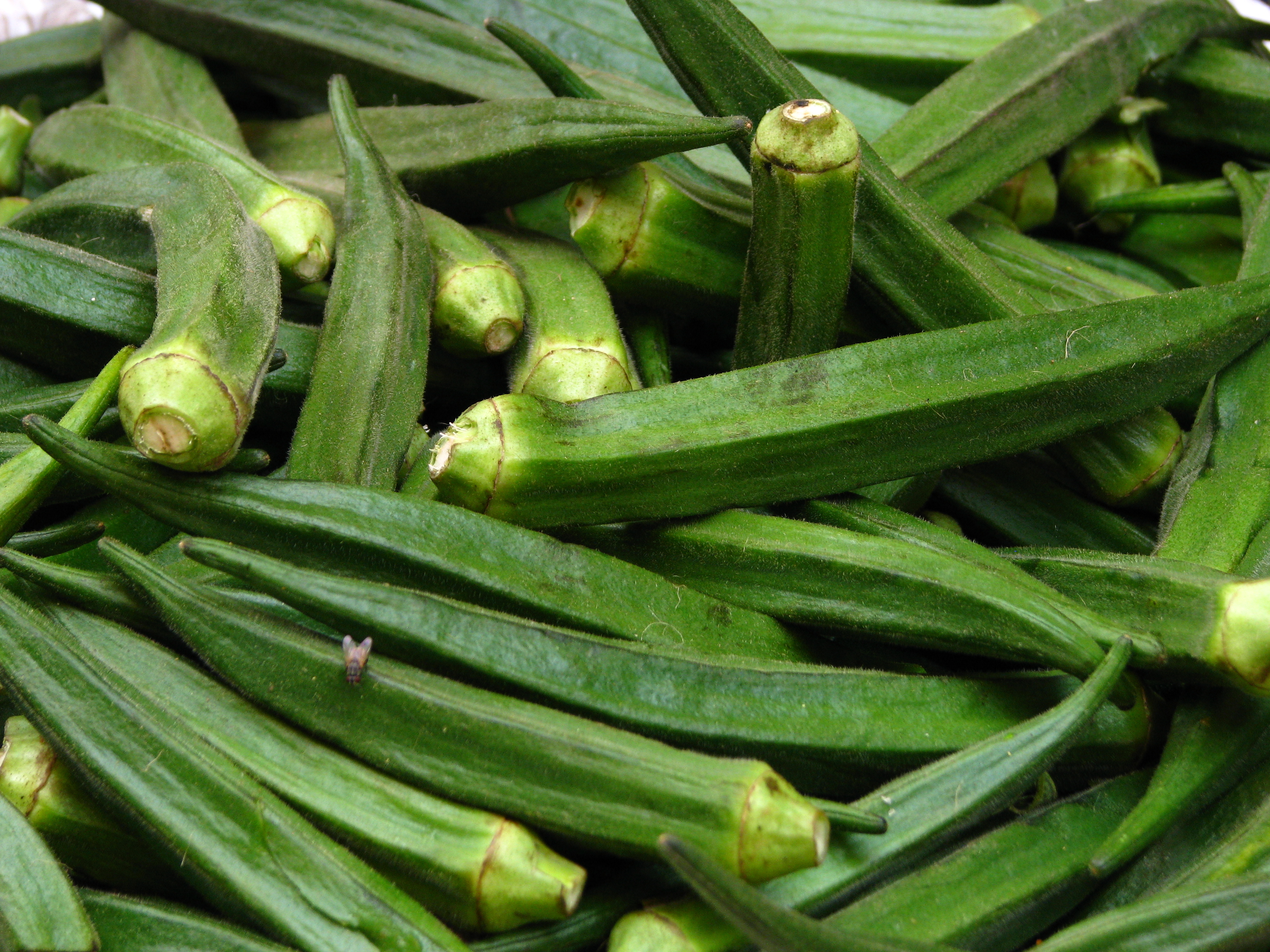
A 2016 paper in the Bangladesh Journal of Agricultural Research, by researchers of Bangabandhu Sheikh Mujibur Rahman Agricultural University (BSMRAU) in Gazipur and the Bangladesh Agricultural Research Institute (BARI), calls okra a popular green fruit vegetable in Bangladesh, commonly known as bhendi or lady's finger and valued for its tasty, gelatinous and tender fruits. Tender green pods three to five days old are used as a vegetable, the paper notes, and they are generally sold fresh.
Where the plant first came from is debated. The Crop Trust, the international organisation based in Bonn that supports the conservation of crop diversity, says in its 2025 review of okra genetic resources that the crop originated in either tropical Africa or South Asia, with Africa the more commonly cited, and that it spread around the world along trade routes, becoming established in the Americas during the transatlantic slave trade. Today it is grown in tropical, subtropical and warm temperate regions and eaten in West African, Middle Eastern, South Asian and Caribbean cooking, prepared by frying, boiling, stewing and pickling. Its leaves, buds and flowers are also eaten, especially in West Africa, and its fibres are used for paper and fuel.
The slipperiness that cooks know well has an explanation. The pods contain a mucilaginous substance that acts as a natural thickening agent, the Crop Trust review says, which makes okra central to dishes such as gumbo, the stew of the southern United States. The Jagonews24 recipe, by contrast, is a dry fry: the pods are wiped dry after washing, and the cut pieces are coated with flour and spices and tossed so that they do not stick together.
According to the same review, which uses FAOSTAT figures for 2023, okra was cultivated in at least 54 countries on almost three million hectares, producing 11.5 million tonnes worth 9.6 billion US dollars. The largest producers included India, Nigeria, Mali, Sudan, Pakistan, Egypt, Côte d'Ivoire and Benin, each with more than 100,000 tonnes a year. Little of it crosses borders: recorded international trade comes to around 15,000 tonnes exported and 56,000 tonnes imported a year, with Kenya the largest reported exporter and the United States, Qatar and Algeria the top importers. Figures on how much okra people eat are less precise, the review adds, because FAOSTAT counts the vegetable within a broader category of other vegetables. The review also notes that okra's tolerance of heat and drought makes it an important crop for food security in regions where other vegetables struggle.
How okra is grown in Bangladesh
Okra is one of the popular summer vegetables of Bangladesh, according to a 2016 study by Sylhet Agricultural University researchers in the Journal of the Bangladesh Agricultural University. Citing the Bangladesh Bureau of Statistics (BBS), the study put the country's okra production at about 44,000 tonnes from 26,000 acres in 2012-13, an average yield of nearly 4.6 tonnes per hectare, which it described as much lower than the 7 to 12 tonnes per hectare reported for developed countries. The BSMRAU paper likewise found the average yield in the country quite low, which it put down to commercially grown varieties of low yield.
Field trials at the country's agricultural universities show when the crop is in the ground. At BSMRAU in Gazipur, okra seeds were sown on 11 April 2012 in rows 60 centimetres apart, with 40 centimetres between plants in a row, and the experiment ran until September 2013. The Sylhet trial ran from May to October 2013, and a trial at Sher-e-Bangla Agricultural University (SAU) in Dhaka ran from March to July 2014, all within the summer and rainy season that Banglapedia gives for the crop.
Growing conditions differ from region to region. The Sylhet study was carried out in the Eastern Surma-Kushiyara Floodplain, agro-ecological zone 20, where soil pH ranges from 4.5 to 6.5 and the experimental field's clay loam was acidic. Plants in acidic soil take up nutrients differently, the authors noted, and they cited a figure of only about 1,904 tonnes of okra from 272 hectares in Sylhet district, too little to meet demand. Of the eight cultivars compared there, with BARI Dherosh-1 as the local check, the Indian cultivar Bankim, followed by two Japanese okra lines, JO-3 and JO-4, were judged the most promising for the region.
BARI Dherosh-1 and other varieties in Bangladeshi trials
BARI Dherosh-1, the okra variety of the Bangladesh Agricultural Research Institute, has served as the benchmark in many of these trials. The BSMRAU experiment of April 2012 to September 2013 compared seven genotypes, BARI Dherosh-1, IPSA Okra 1, Green Hybrid, Nabik, Hybrid Raja, Arka Anamika and Hybrid Moti, collected from the organisations that supply them and from the Siddique Bazar market in Dhaka. BARI Dherosh-1 gave the highest yield, 14.9 tonnes per hectare, and the most fruits per plant, 24.27, while Hybrid Raja gave the lowest yield, 5.76 tonnes per hectare.
The same study measured nutrients in the fruits of each genotype and found that they differed in vitamin C, beta-carotene, potassium and iron. The authors concluded that BARI Dherosh-1 led on yield while Hybrid Moti was superior in nutritive value.
The main field problem these trials recorded is a virus disease. A 2014 master's thesis at SAU's Department of Plant Pathology screened nine cultivars, BARI Dherosh-1, Green Finger, Anguli, Tower Seed, Raja, Yuvraj, Shyamol Bangla, Parvani Kranti and Orka Onamika, against yellow vein clearing mosaic virus (YVCMV), which is transmitted by the whitefly Bemisia tabaci. Disease incidence ranged from 9.74 per cent in Parvani Kranti to 81.14 per cent in Yuvraj. Parvani Kranti also gave the highest yield per plant, 616.0 grams, followed by BARI Dherosh-1 at 542.3 grams, while Yuvraj gave the lowest, 270.0 grams.
In the BSMRAU trial every genotype was infected to some degree: virus infestation ranged from 76.67 per cent in Arka Anamika to 100 per cent in Hybrid Raja. A second SAU thesis, based on a field experiment from April to August 2015, found the lowest disease incidence among four varieties in BARI Dherosh-1, followed by Green Finger, and the highest in Orca Onamika. Farmers who find the disease in their crop should ask the upazila agriculture officer of the Department of Agricultural Extension (DAE) about control measures.
Keeping okra's genetic diversity is part of the long-term answer to such problems. The Crop Trust review counts 16,946 okra accessions conserved in genebanks worldwide, held by 106 institutions, from material collected in 95 countries. In Bangladesh, BARI holds 144 accessions and the seed company Lal Teer Seed Limited 131, and the Bangladesh Rural Advancement Committee (BRAC), the Bangladesh Jute Research Institute (BJRI) and the Bangladesh Institute of Nuclear Agriculture (BINA) are also listed among the holders.
Okra and potato: what the food composition figures show
The recipe's premise is a swap of one vegetable for another, and food composition tables show how different the two are before any flour or oil is added. The FoodData Central database of the United States Department of Agriculture (USDA), in its SR Legacy data published in April 2019, gives these values for 100 grams of raw okra:
- Water: 89.58 grams
- Energy: 33 kilocalories
- Protein: 1.93 grams
- Fat: 0.19 grams
- Carbohydrate: 7.45 grams, including 3.2 grams of dietary fibre, 1.48 grams of sugars and 0.34 grams of starch
- Calcium: 82 milligrams
- Magnesium: 57 milligrams
- Potassium: 299 milligrams
- Vitamin C: 23 milligrams
- Folate: 60 micrograms
For 100 grams of raw potato, flesh and skin, the same database gives 79.25 grams of water, 77 kilocalories, 2.05 grams of protein, 0.09 grams of fat and 17.49 grams of carbohydrate, of which 15.29 grams is starch and 2.1 grams fibre, with 425 milligrams of potassium and 19.7 milligrams of vitamin C.
The largest difference is in starch: 15.29 grams in raw potato against 0.34 grams in raw okra, while okra holds more water and more fibre. The values describe the raw vegetables only. Frying with a coating of rice flour and cornflour changes them, and the Jagonews24 report gave no nutritional figures for the finished dish.
The Crop Trust review notes that okra is of nutritional importance as a source of vitamins A and C, beta-carotene, zinc, folic acid and fibre. These are statements about what the vegetable contains, not claims about treating any illness; anyone with a medical condition or on a special diet should ask a doctor about what to eat.
Frying at home: what food-safety agencies advise
Frying starchy food at high heat has a food-safety side that food agencies have written about. The UK Food Standards Agency (FSA), in guidance first published on 9 January 2018, explains that acrylamide is a chemical formed when starchy foods such as potatoes and bread are cooked at high temperatures, above 120°C, by frying, baking, grilling, toasting or roasting. It is not added to food: it is a natural by-product of cooking that has always been present in what people eat, found in roast potatoes and root vegetables, chips, crisps, toast, cakes, biscuits, cereals and coffee.
The FSA says laboratory tests show that acrylamide in the diet causes cancer in animals and that scientists agree it has the potential to cause cancer in humans as well, so it recommends, as a precaution, that everyone reduce the amount they consume. Acrylamide forms through the Maillard reaction, in which water, sugar and amino acids combine to create a food's characteristic flavour, texture, colour and smell; long cooking times and higher temperatures form more of it than short times and lower temperatures.
For cooking at home, the FSA advises aiming for a golden yellow colour or lighter when frying, baking, toasting or roasting starchy foods, following the cooking instructions on the pack for packaged foods such as chips and roast potatoes, and eating a healthy, balanced diet.
The US Food and Drug Administration (FDA), in its questions and answers on acrylamide (content current as of 5 March 2024), describes the chemical in similar terms. Acrylamide can form in some foods during high-temperature cooking, from sugars and an amino acid called asparagine. It is found mainly in foods made from plants, such as potato products, grain products and coffee, and is less likely to form in dairy, meat and fish. Frying, roasting and baking are the methods most likely to produce it, boiling and steaming typically do not, and longer cooking or higher temperatures generally lead to more of it.
Neither agency's guidance names okra, and the Jagonews24 report did not discuss acrylamide. The recipe itself calls for a medium flame and for frying the okra a little at a time.
Photo: Nimish Dalal / Wikimedia Commons (CC BY-SA 4.0). The top picture shows a plate of fried okra (bhindi fry), as background; it is not the dish from the Jagonews24 report.
Sources: Jagonews24 (12 May 2026), Banglapedia, Bangladesh Journal of Agricultural Research (September 2016), Journal of the Bangladesh Agricultural University (2016), Sher-e-Bangla Agricultural University theses (2014 and 2015), Crop Trust (2025), USDA FoodData Central (April 2019), UK Food Standards Agency (2018), US Food and Drug Administration (March 2024).



Comments
(0)