
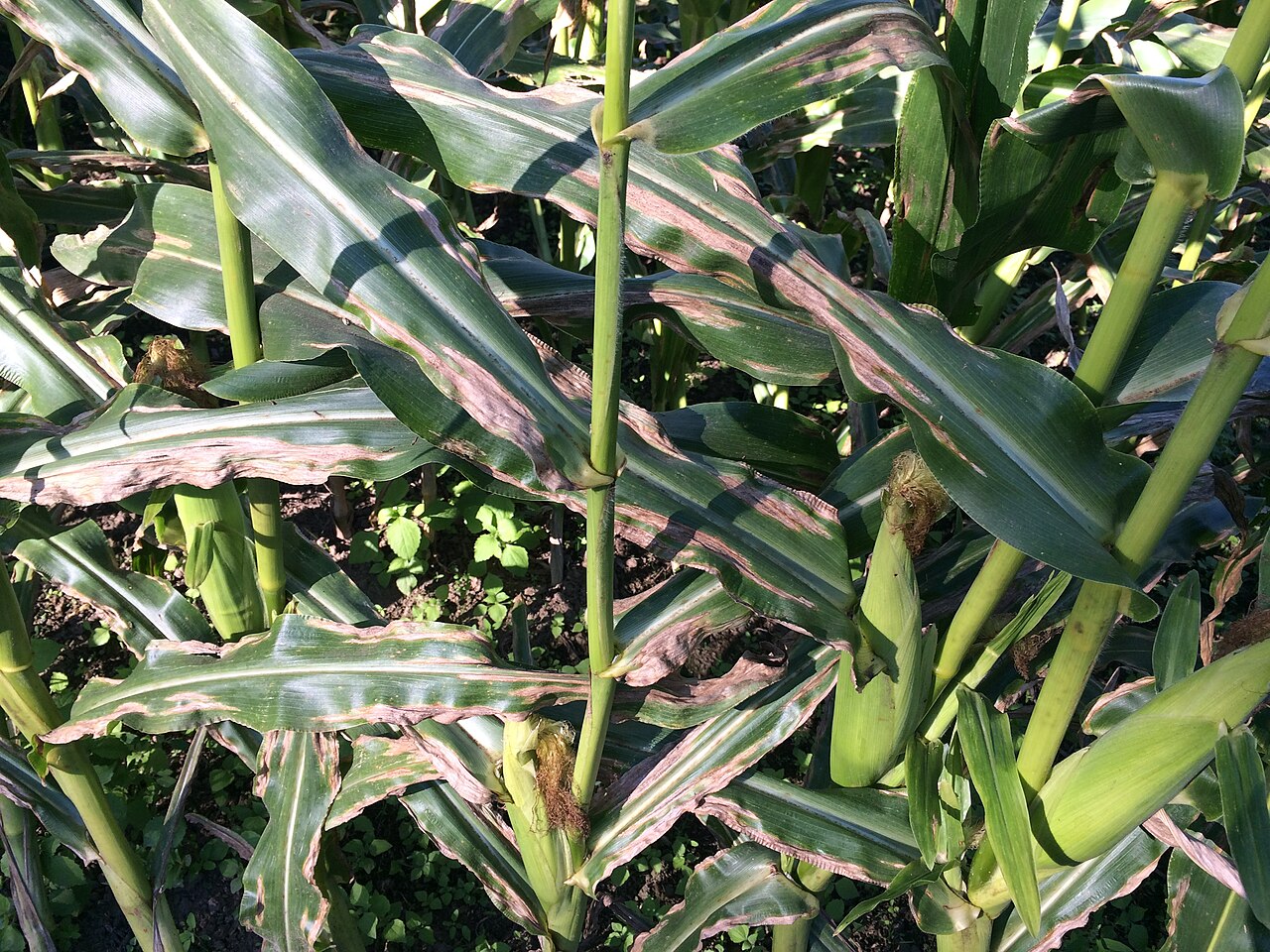
Corn disease in the United States this year came in local outbreaks rather than the widespread pressure growers faced in recent seasons, and the weather decided where, Farms.com reported, citing specialists at the seed company Pioneer.
"We saw a ton of disease last year and that really led to growers facing the challenge of deciding between making two applications potentially or up to three in some extreme instances," said Layton Peddicord, a Pioneer research scientist and epidemiology expert. This season, he said, was "a tale of two tapes": above-average leaf wetness in the east, and moderately to very dry conditions moving west.
In the eastern Corn Belt, steady rain through much of the season brought early gray leaf spot and northern corn leaf blight. Tar spot and southern rust turned up later, though both were less severe than in 2025. Agronomists also found bacterial leaf streak more often than expected in several fields of the I-states. Heavy rain in August and September flooded fields and slowed the harvest, and growers bringing in affected corn are advised to dry the grain to 14 percent moisture or less to limit ear rots, mould and quality losses.
The western Corn Belt was a different story. Early dryness caused widespread drought stress, crown rot spread farther west than in earlier years, and above-average temperatures made the moisture shortage worse. Late rain gave some relief, but long stress during vegetative growth could still cut yields in parts of the High Plains.
In the South, a dry spring gave way to heavy rain in late April and May. Northern leaf blight and southern rust stayed fairly limited, but the wetter end of the season brought more southern leaf blight and, in some areas, diplodia stalk and ear rot. "We had several people decide not to spray foliar fungicides," said Kevin Phillips, a Pioneer field agronomist. "Even with good resistance ratings, if the environment and pathogen are present, we are going to see disease."
The specialists' advice is to use this year's field notes when choosing hybrids, scouting and planning fungicides for 2027.
Photo: Chroanch / Wikimedia Commons (CC BY-SA 4.0)
Source: Farms.com
Comments
(0)