
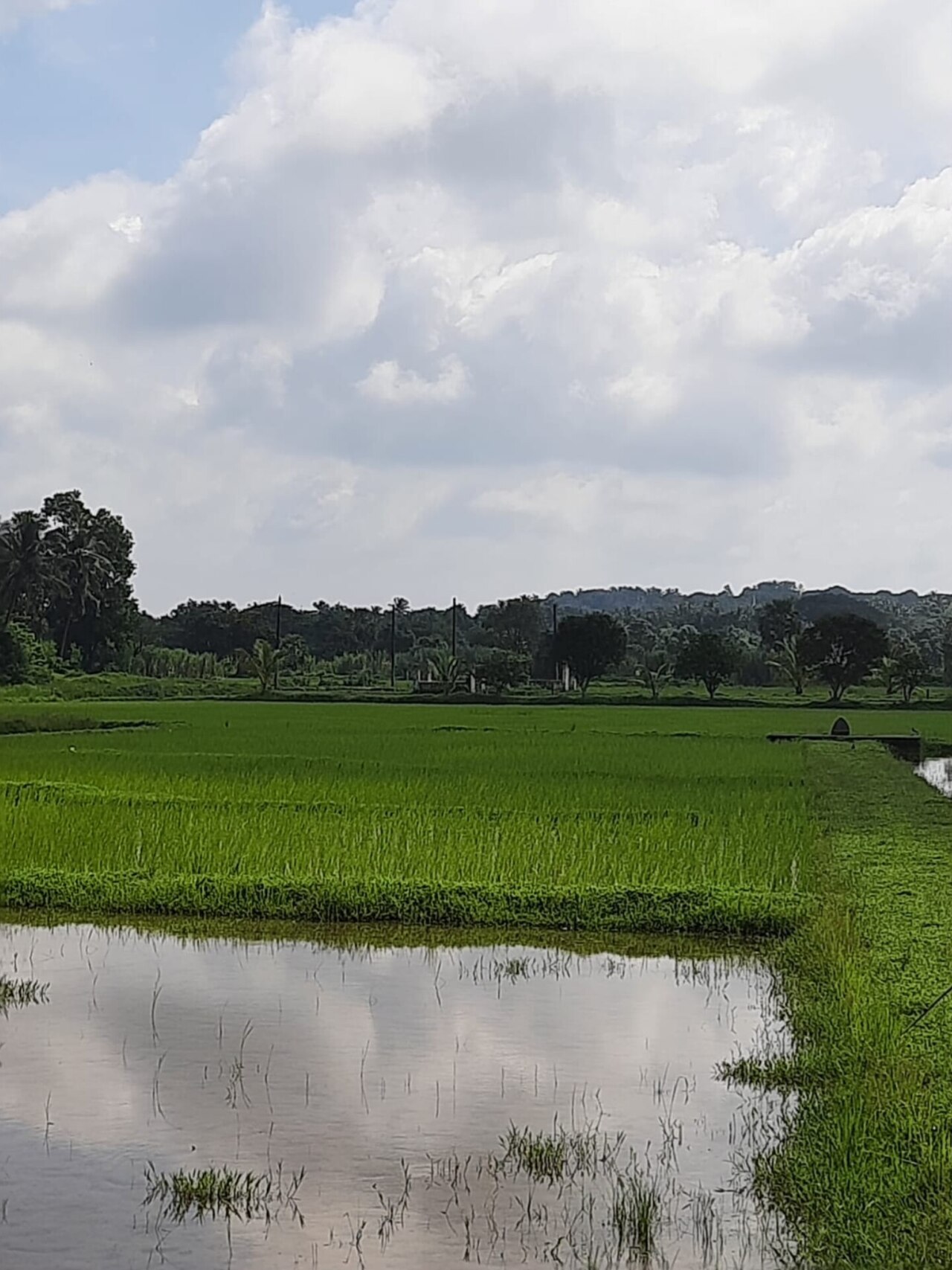
Agriculture and land use produce around a third of global greenhouse gas emissions but receive just 2.5% of public climate finance, and leaders at CGIAR want COP31, the UN climate conference opening on 9 November in Antalya, Turkey, to start closing that gap, AgFunderNews reports from a webinar held this week.
"If agrifood accounts for 33%, the finance to help it should go up to that number as well," said Ismahane Elouafi, executive managing director of CGIAR. She argued that farmers in developing countries must be helped to adapt first: where farmers harvest a fraction of what their land could yield, the usual answer is to clear more land, when better seed, irrigation and practices on the land already farmed would raise output without new clearing. Livestock, she added, could give more milk with the right feed and vaccination.
Todd Rosenstock, director of CGIAR's Climate Action programme, said forecasts are improving but do not protect anyone by themselves. "Farmers don't eat forecasts," he said. The test is whether predictions change what farmers do, such as moving planting dates, switching crops or managing water and livestock differently ahead of El Niño, and that needs institutions, services and trusted channels as well as science.
Technology, the panel agreed, only works where it fits. Rosenstock cited CGIAR's work on alternate wetting and drying in Southeast Asian rice, a well-documented way to cut methane, which fails where farmers do not control their own water. On artificial intelligence, he said, "Models are only as good as the data that go into them," and most training data so far leave out the farmers CGIAR works with in Africa, the Americas and Asia.
Elouafi warned that small-scale farmers in the poorest countries "might not have even a phone", and that finance could be pulled further towards AI and technology at the expense of other needs. For South Asian rice growers, the point about water control is a familiar one: the methane savings of drying paddies depend on who manages the irrigation. The webinar was reported by Jennifer Marston.
Photo: Prathvi Acharya (a rice paddy field) / Wikimedia Commons (CC BY 4.0)
Source: AgFunderNews


Comments
(0)