
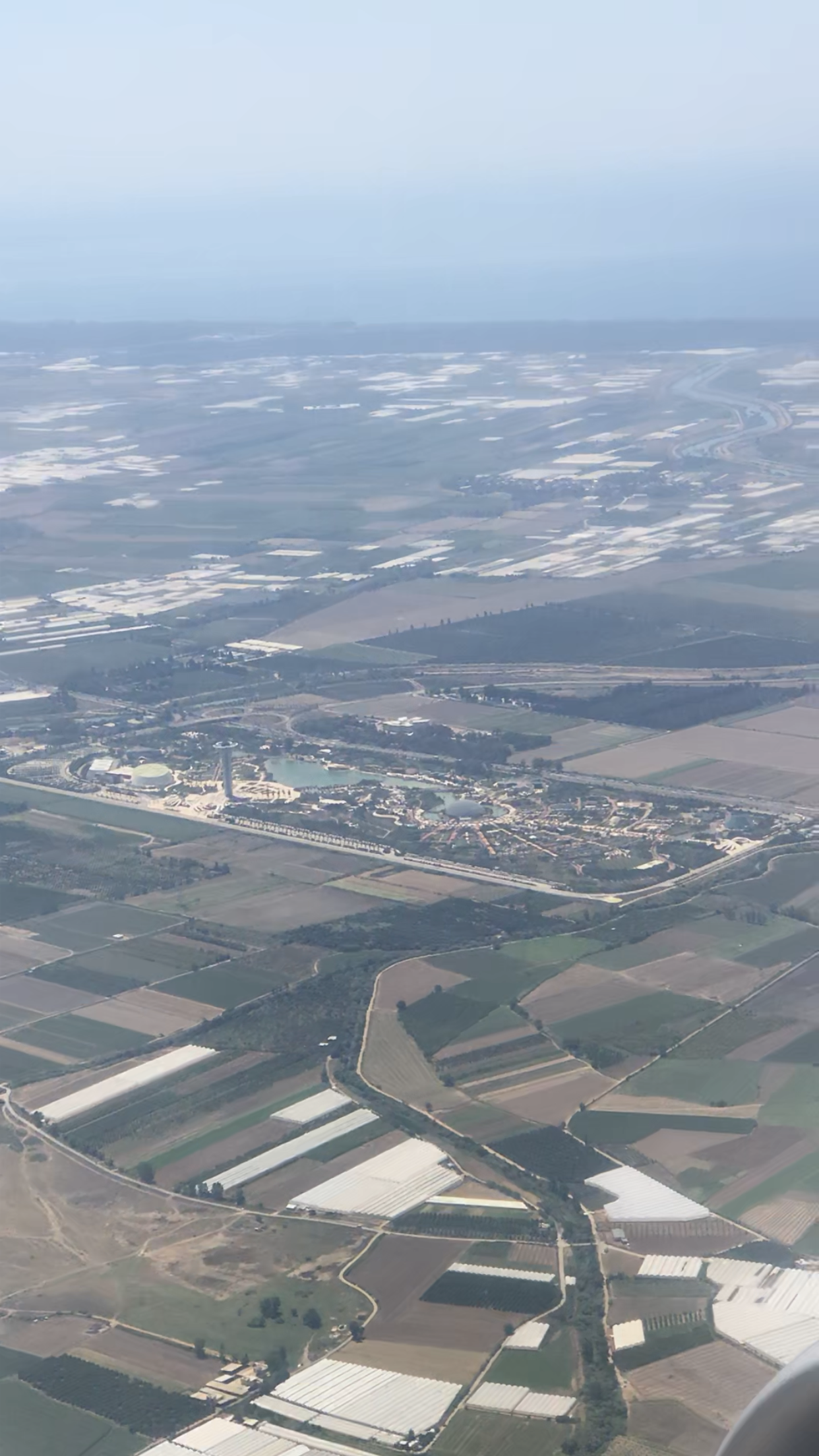
The United Nations climate conference COP31 opens in Antalya, Turkey, on 9 November and runs to 20 November, with food security on its published list of priorities alongside the clean energy transition, climate finance, resilient cities, oceans, methane and waste, and green industrialisation. A World Leaders' Summit is set for 11 and 12 November at the Antalya Expo Center.
The stated food security goal calls for dedicated roadmaps linking sustainable agricultural systems, water availability and rural livelihoods, and for climate-resilient farming training to reach all young farmers worldwide by 2035. Organisers have also called this a "triple COP", aiming to bring circular economies, sustainable agriculture, food security and biodiversity into one policy track, with the parallel COP17 meetings of the biodiversity and desertification conventions.
The Food and Agriculture Organization continues to press for more attention to food systems in the formal negotiations. It notes that agriculture accounts for roughly 30 per cent of global greenhouse gas emissions, and that better soil management and less food loss can be part of the answer. It points to an annual financing gap of around $1.3 trillion for agri-food systems.
A forum on agriculture and food system resilience will meet in Antalya on 10 November, on the sidelines of the talks. Confirmed participants include Amit Trikha, Bayer's vice president for global sustainability partnerships and strategy, and Alzbeta Klein, chief executive and director general of the International Fertilizer Association, along with executives of food and consumer goods companies. Sessions are expected to cover resource efficiency, soil health, scaling climate-resilient farming innovation, and digital tools that help farmers adapt to changing weather.
Organisers bill the meeting as an "implementation COP", focused on turning announced national plans into action rather than on new headline pledges. Nearly 50 parties have still not filed updated national climate plans. Turkey holds the presidency through Murat Kurum, and Australia's Chris Bowen serves as President of Negotiations, an arrangement that followed a dispute between the two countries over hosting.
Money will shape how far the food goals travel. The adaptation finance gap facing developing countries under their national plans has been put at between $5.6 trillion and $7.1 trillion, a figure covering all sectors rather than agriculture alone.
Photo: Pamfilyalı / Wikimedia Commons (CC BY-SA 3.0), an aerial view of the Antalya Expo Center
Source: Global Agriculture

Comments
(0)