
A nursery at Bagmara Mor in Rajbari Sadar upazila was drawing attention for raising vegetable and fruit seedlings without soil, in cocopeat, Jagonews24 reported on 5 December 2024. In plastic trays filled with coconut husk fibre, organic fertiliser and micronutrients, Green Agro Nursery was raising 29 kinds of seedlings from seed in 15 to 30 days, among them aubergine, chilli, tomato, papaya, cabbage, cauliflower, bottle gourd, banana and watermelon. Demand had grown so much that the nursery was struggling to keep up.
How the nursery raised its seedlings
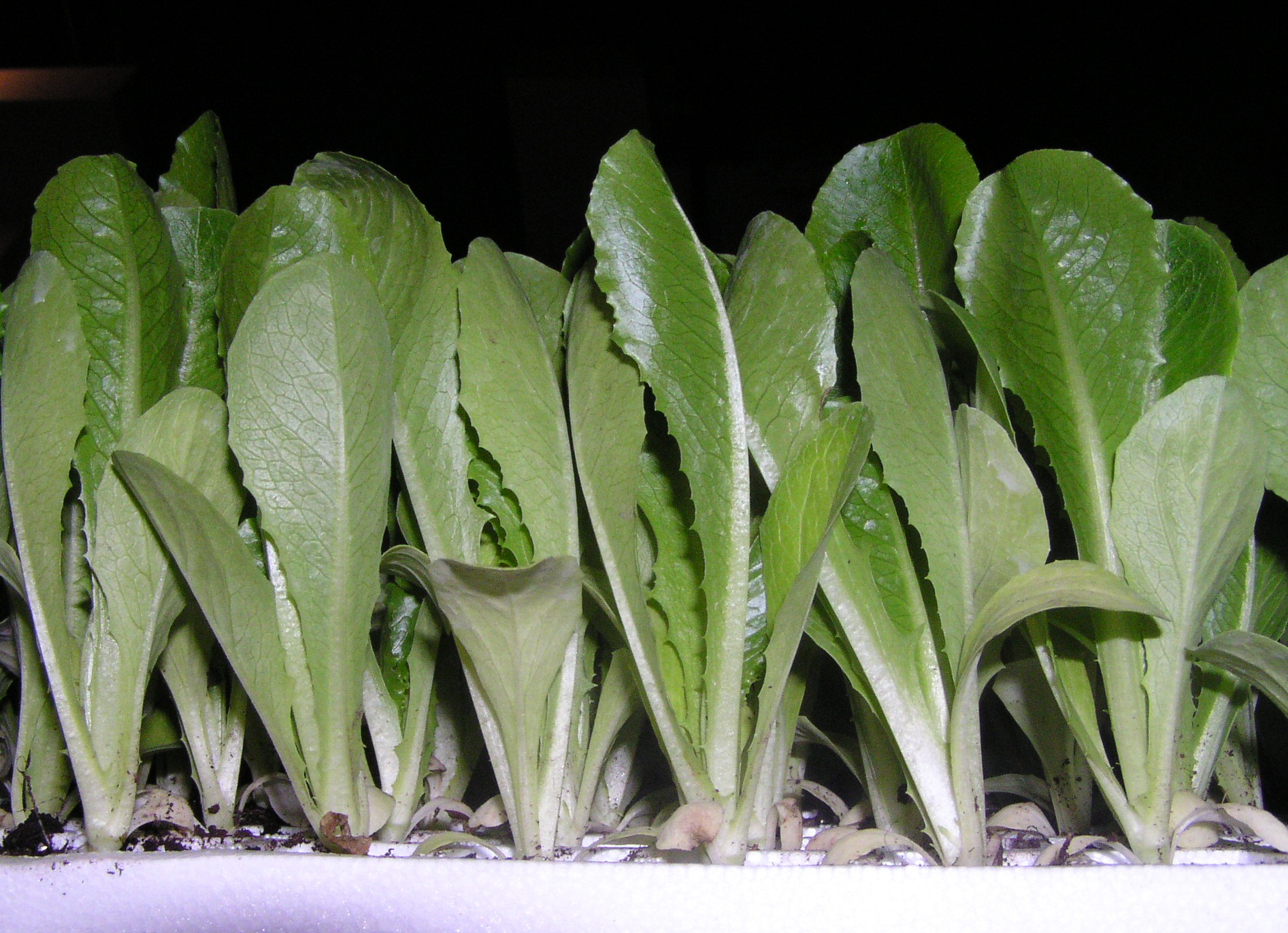
According to the report, Kazi Morshed Alam set up the nursery on one bigha of land in early 2022 to bring improved soilless seedlings to ordinary farmers. Seedlings of about 29 kinds were raised in trays of coconut fibre, organic fertiliser and micronutrients, with water and a little fungicide, and 12 workers raised and tended them.
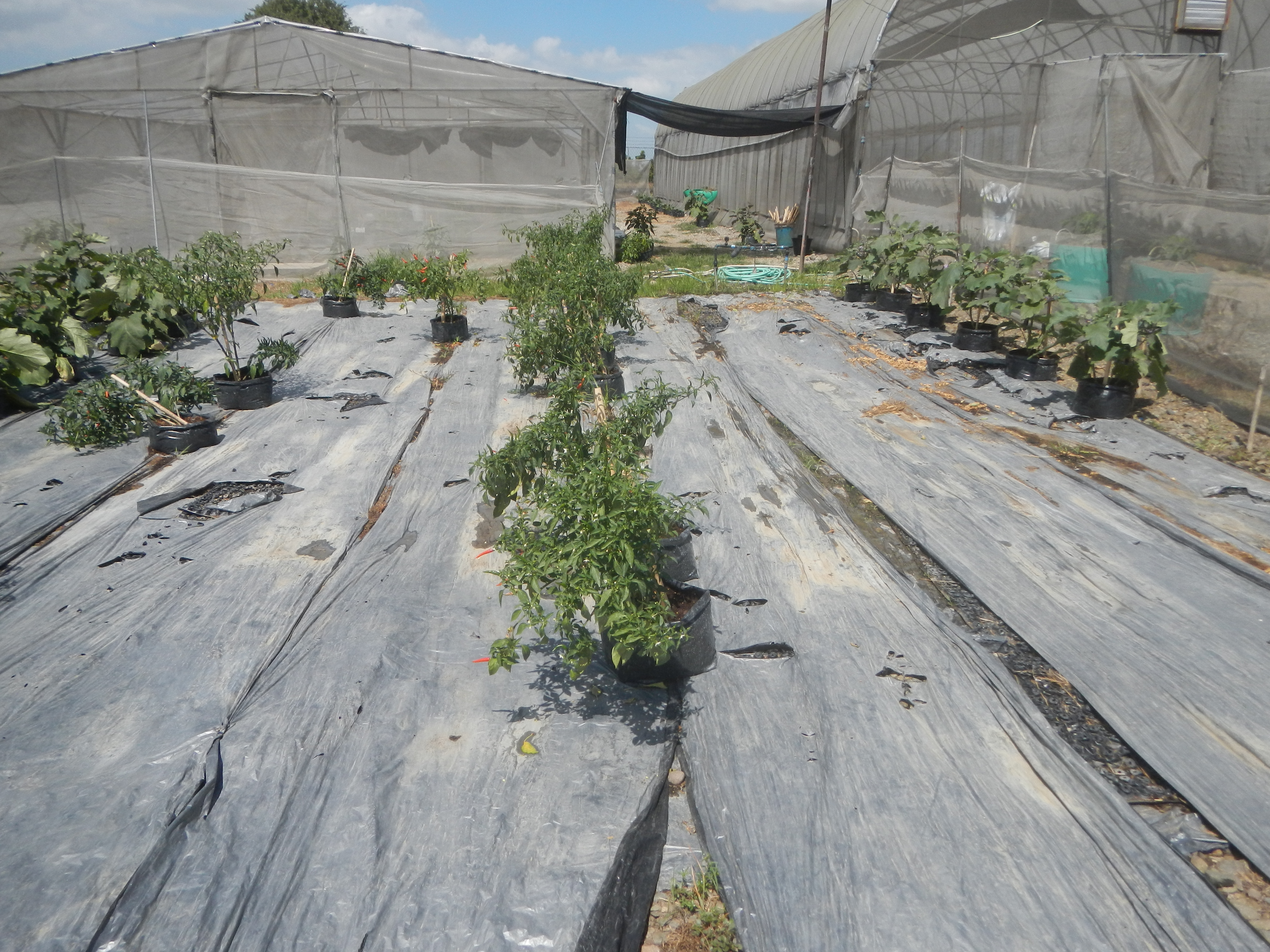
A polyfilm roof over the shed controlled the temperature of the seedbeds, and side nets kept out pathogens, mosquitoes and flies. Jagonews24 noted that several other nurseries in the district also raised seedlings without soil.
Nursery manager Rabiul Islam said the nursery's 29 kinds of seedlings were free of disease and that not a single seedling died. He said that because of their quality the seedlings were sold online in Rajbari and across the country, and that demand was high enough for the nursery to plan a larger shed.
What farmers said
Local farmer Jamal Sheikh told Jagonews24 that roots used to tear when seedlings were lifted from a soil seedbed, while tray seedlings keep their roots, so they do not die after planting and suffer little disease. He said two years of growing from them had brought good yields, and neighbours had started buying them after seeing his field.
Another farmer, Sher Ali, said many soil-raised seedlings die and seedlings are often not available on time, so he had ordered 2,000 vegetable seedlings of various kinds a week earlier and had come to collect them. Farmers Khalil Mondol, Khandaker Enamul Hasan and Farid said pests and disease in soil seedbeds meant poor seedlings, many of which died after transplanting. By their account, making a soil seedbed costs the same as buying cocopeat seedlings, but buying them is less trouble.
Rajbari Sadar upazila agriculture officer Md. Joni Khan said the method gave farmers improved seedlings all year round. In his view the seedlings' resistance to pathogens would mean less disease after transplanting, and they saved time and money compared with soil seedbeds. He said seedlings from the shed were also going to other districts.
What cocopeat is and why nurseries use it
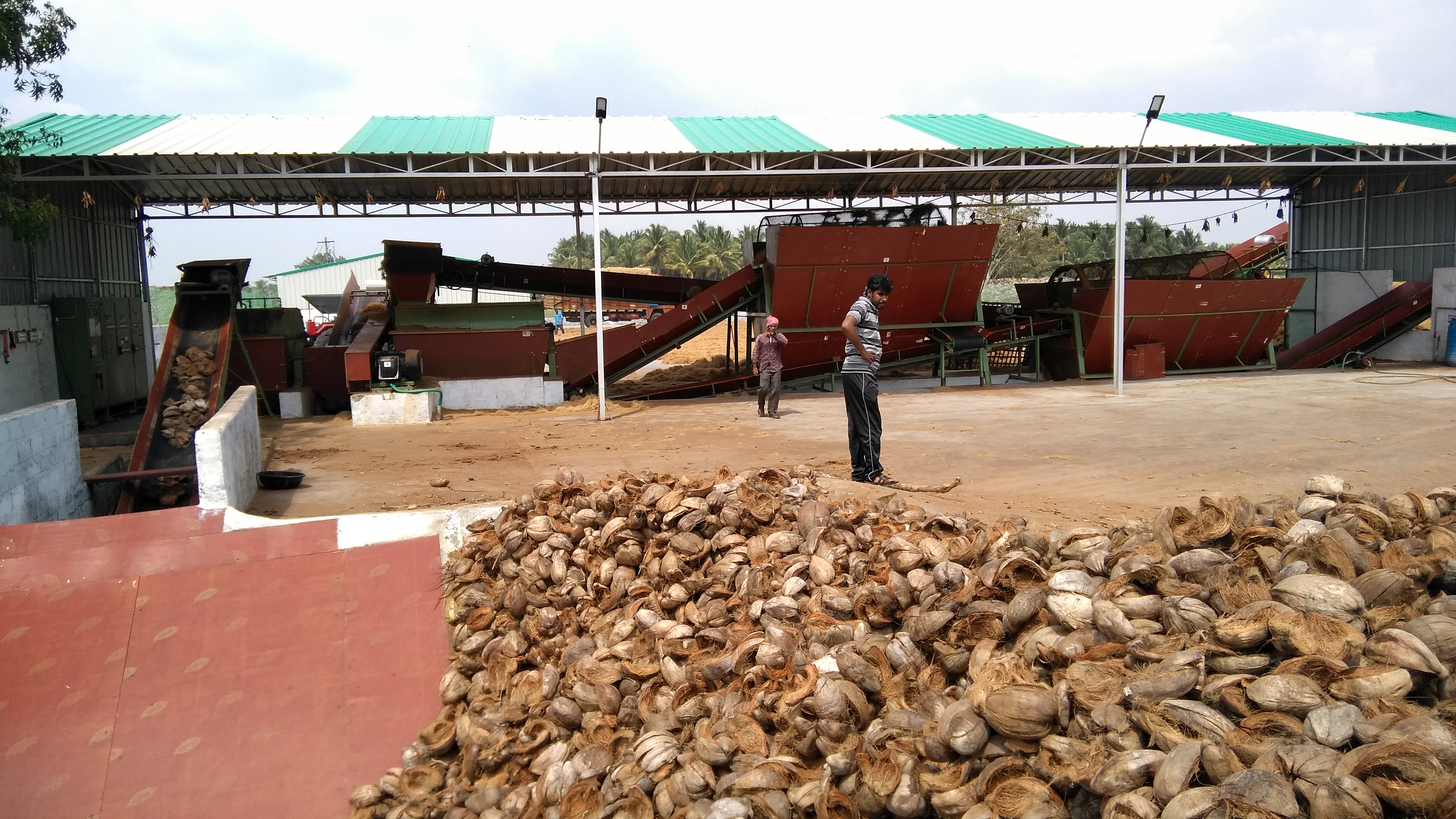
Cocopeat, or coir dust, is the fibrous material obtained from coconut husk. The FAO's 2013 guide to good agricultural practices for greenhouse vegetable crops says coir has good aeration and water-holding properties and a typical pH of 5.5 to 6.8. Some coir carries high levels of salts, so it has to be washed to make a good growing medium. Wikipedia's entry on coir notes that cocopeat is low in nutrients and is therefore usually not the only component of a growing medium; the Rajbari nursery mixed it with organic fertiliser and micronutrients.
The same FAO guide says soilless media are free of pathogens when first supplied, so pressure from soil-borne disease is lower. It also warns that if seedlings are infected with viruses or soil-borne pathogens at an early stage, very little can be done after transplanting to save the crop; a healthy start matters.
Soilless seedlings elsewhere in Bangladesh
The method was not new to Bangladesh. On 30 November 2020 Prothom Alo reported on a nursery in the Belbari area of Dinajpur that raised seedlings in trays and cups filled with a mix of coconut husk and water hyacinth. There, seeds sprouted within three days and seedlings were ready for sale after 15 days. Tauhid Iqbal, deputy director of the district office of the Department of Agricultural Extension, told the paper that seedlings raised this way stay free of soil-borne diseases.
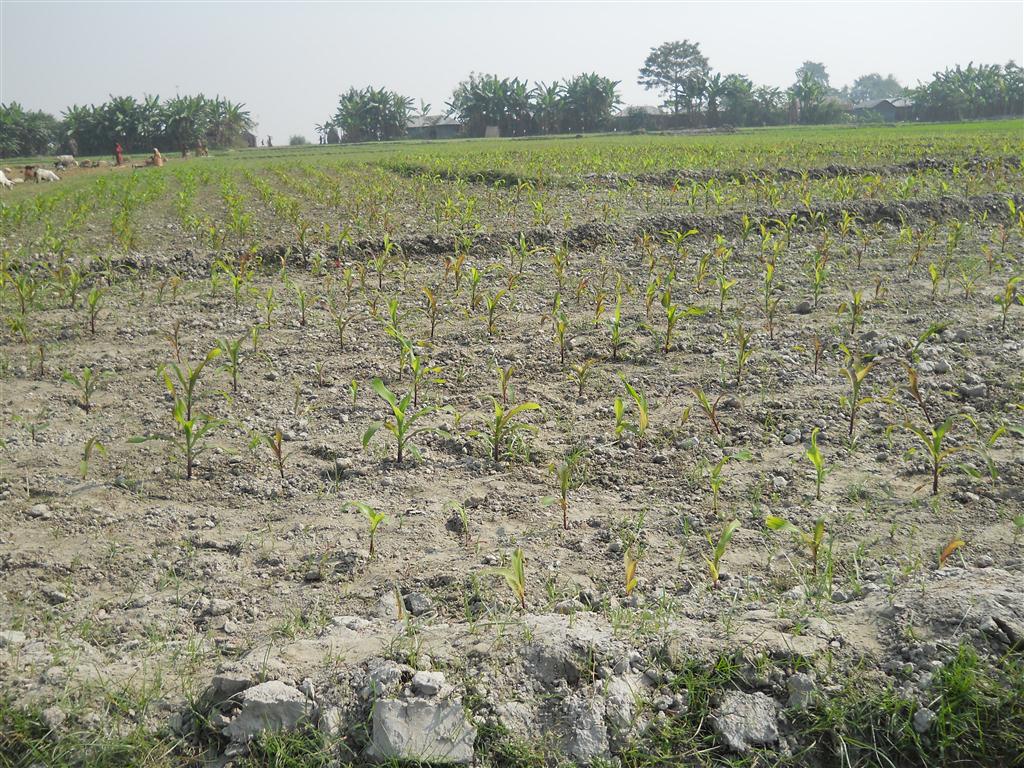
Rajbari is a district of Dhaka Division. The Padma and several other rivers cross it, and its land is mainly alluvium laid down by the Padma.
Photo: Judgefloro / Wikimedia Commons (CC0)
Sources: Jagonews24, Prothom Alo, Food and Agriculture Organization of the United Nations (FAO), Wikipedia
Comments
(0)