
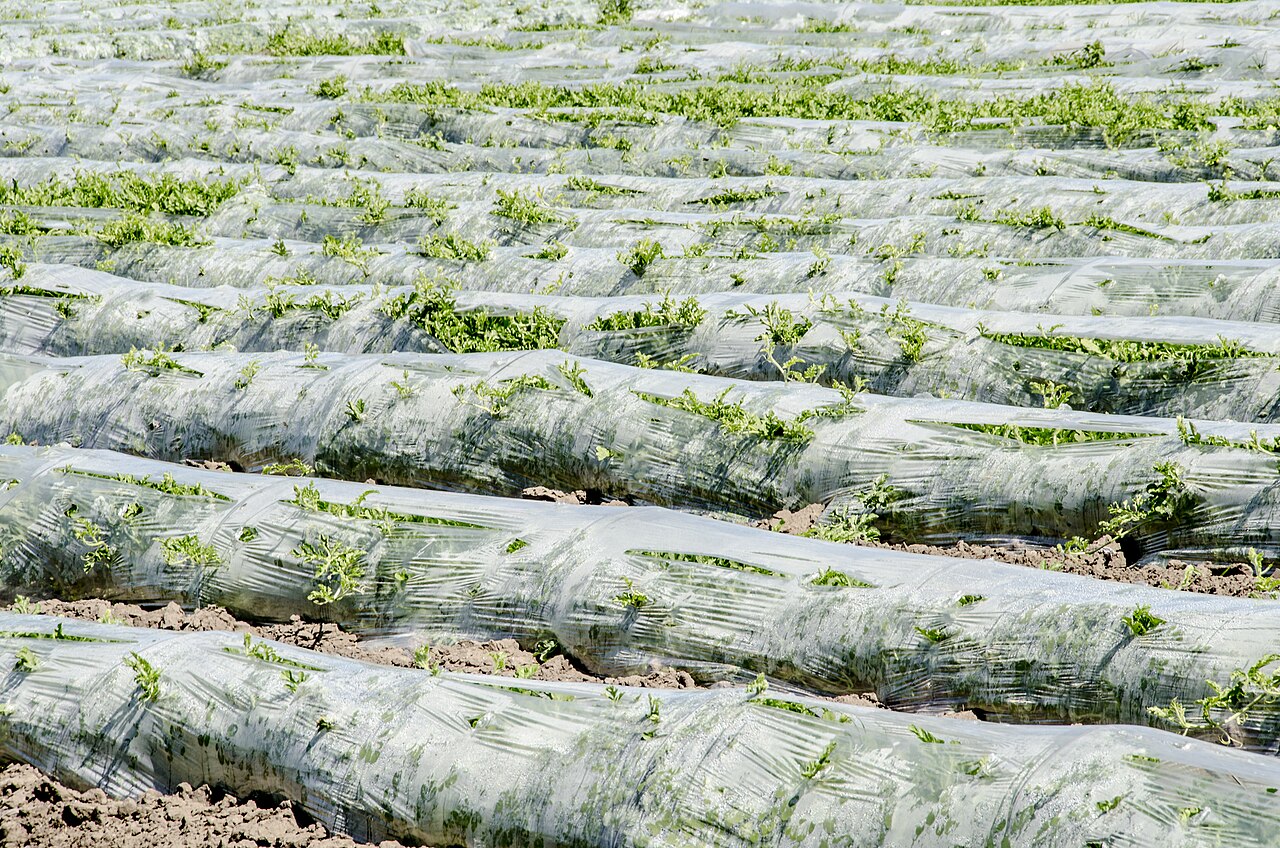
Scientists from Clemson University and the US Department of Agriculture's Agricultural Research Service (USDA-ARS) are developing watermelon breeding lines that resist three damaging diseases, powdery mildew, Phytophthora fruit rot and anthracnose, along with DNA tools that help breeders find and combine resistance faster, AgroPages reports. Watermelon is South Carolina's largest vegetable crop by area.
"Building resistance into watermelon can help limit crop losses and reliance on repeated pesticide applications," said Rahul Kumar, a Clemson postdoctoral researcher working with USDA-ARS plant pathologist Shaker Kousik and Clemson's R. Karthikeyan. The work is based at the USDA-ARS Vegetable Research Laboratory and Clemson's Coastal Research and Education Center near Charleston.
The team combines traditional breeding with marker-assisted breeding. Plants are grown and tested in fields and greenhouses, then their DNA is studied to find regions linked to resistance. Molecular markers act as genetic signposts: by reading a seedling's DNA, breeders can tell whether it inherited a trait without waiting years for the plant to grow and show it.
For powdery mildew, which damages leaves and limits a plant's ability to make food, the team found resistant plants and a DNA region tied to that resistance, which has been turned into a marker. For Phytophthora fruit rot, caused by Phytophthora capsici and favoured by warm, wet weather, they identified several genome regions associated with resistance; stacking them in one line can give longer-lasting protection. "Research on Phytophthora fruit rot is a top priority for the team and the National Watermelon Association," Kousik said. For anthracnose, a fungal disease of leaves, stems and fruit, they are screening germplasm for new sources of resistance.
RNA sequencing and genomic prediction are also used to study how plants respond to infection and to estimate which carry useful traits. The team is releasing resistant breeding lines to industry to develop commercial varieties, and several of its DNA tools are already in use by breeders. "The long-term goal is to develop watermelon lines that are more resilient and productive while maintaining fruit quality," Karthikeyan said.
Photo: Zeynel Cebeci / Wikimedia Commons (CC BY-SA 4.0)
Source: AgroPages

Comments
(0)