

The International Maize and Wheat Improvement Center (CIMMYT) has sent more than 4,000 maize and wheat accessions from its genebank in Texcoco, Mexico, to the Svalbard Global Seed Vault in Norway, expanding the safety backup of collections that may hold traits useful against diseases, drought, heat and other threats to food production. The shipment left on 24 September in seven boxes.
The CIMMYT Germplasm Bank conserves around 28,630 maize accessions and more than 124,000 wheat accessions; each is a sample of documented identity and origin representing part of the diversity in the crop. They are kept as global public goods and made available for research and breeding under established international mechanisms.
To avoid depending on a single collection, CIMMYT keeps safety duplicates at Svalbard and at Fort Collins, Colorado, in the United States. For maize, 26,755 accessions, close to 90% of the collection, are backed up at Svalbard; for wheat, records show backup levels of up to 98% at Svalbard and 94% at Fort Collins.
"By safeguarding these accessions in one of the world's most secure seed repositories, we are helping ensure that future generations can continue to benefit," said Carolina Sansaloni, principal scientist and wheat germplasm bank curator. Old material can matter when new problems appear: when maize lethal necrosis threatened production in East Africa, researchers screened around 1,000 maize landraces held by CIMMYT and found ten resistant to the viruses involved.
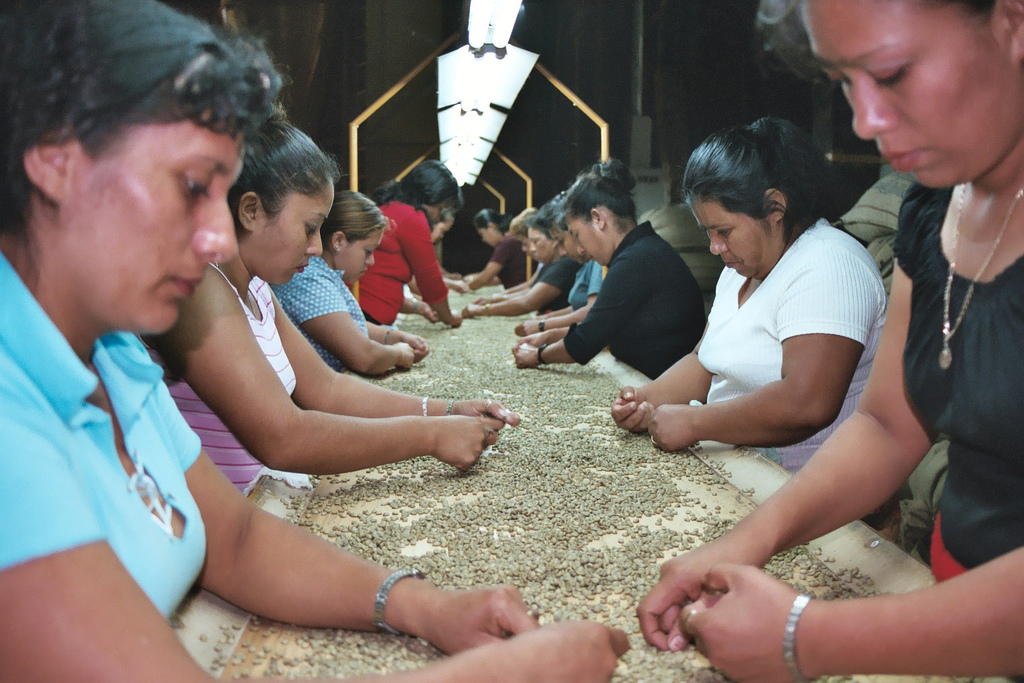
Keeping the diversity useful takes continuous work in Texcoco: accessions are documented, monitored, regenerated when needed and checked for viability and seed health. To be distributed, an accession must have enough seed, germinate at more than 85% and meet phytosanitary requirements. The work is part of collaboration among CGIAR genebanks coordinated through the CGIAR Genebank Accelerator.
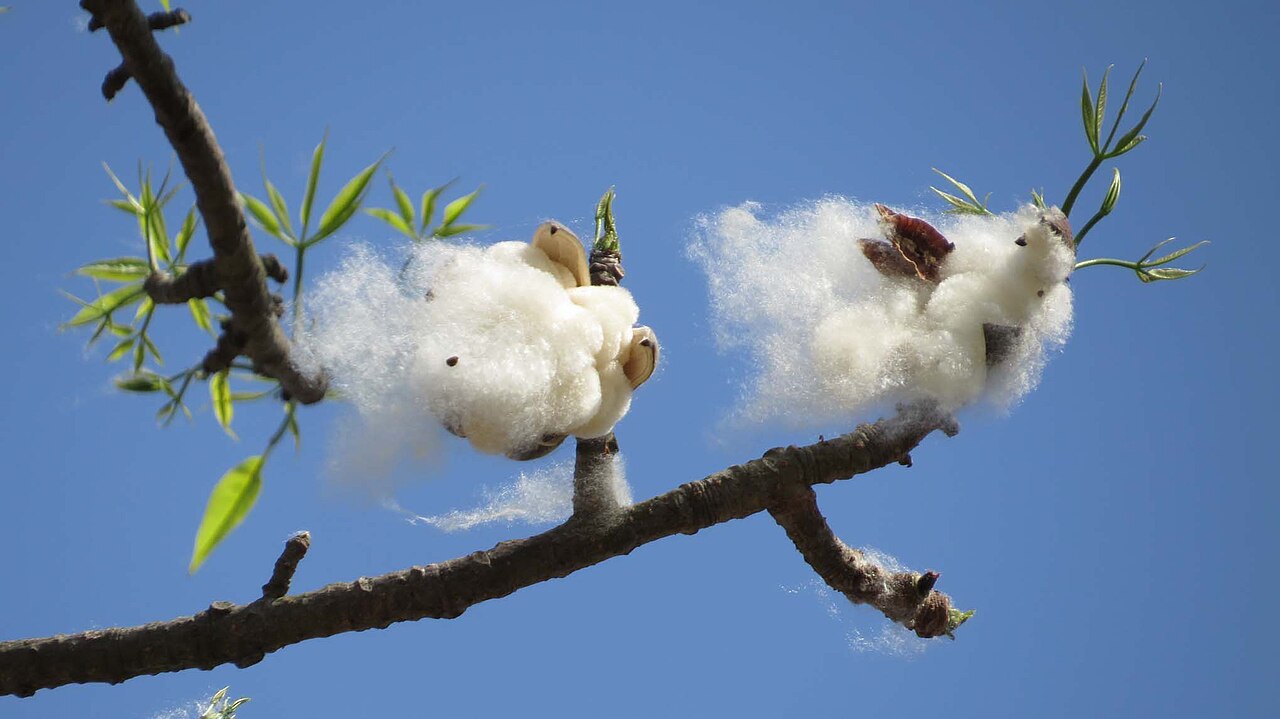
Photo: Timo Palo / Wikimedia Commons (CC BY-SA 3.0)
Source: CIMMYT
Comments
(0)