
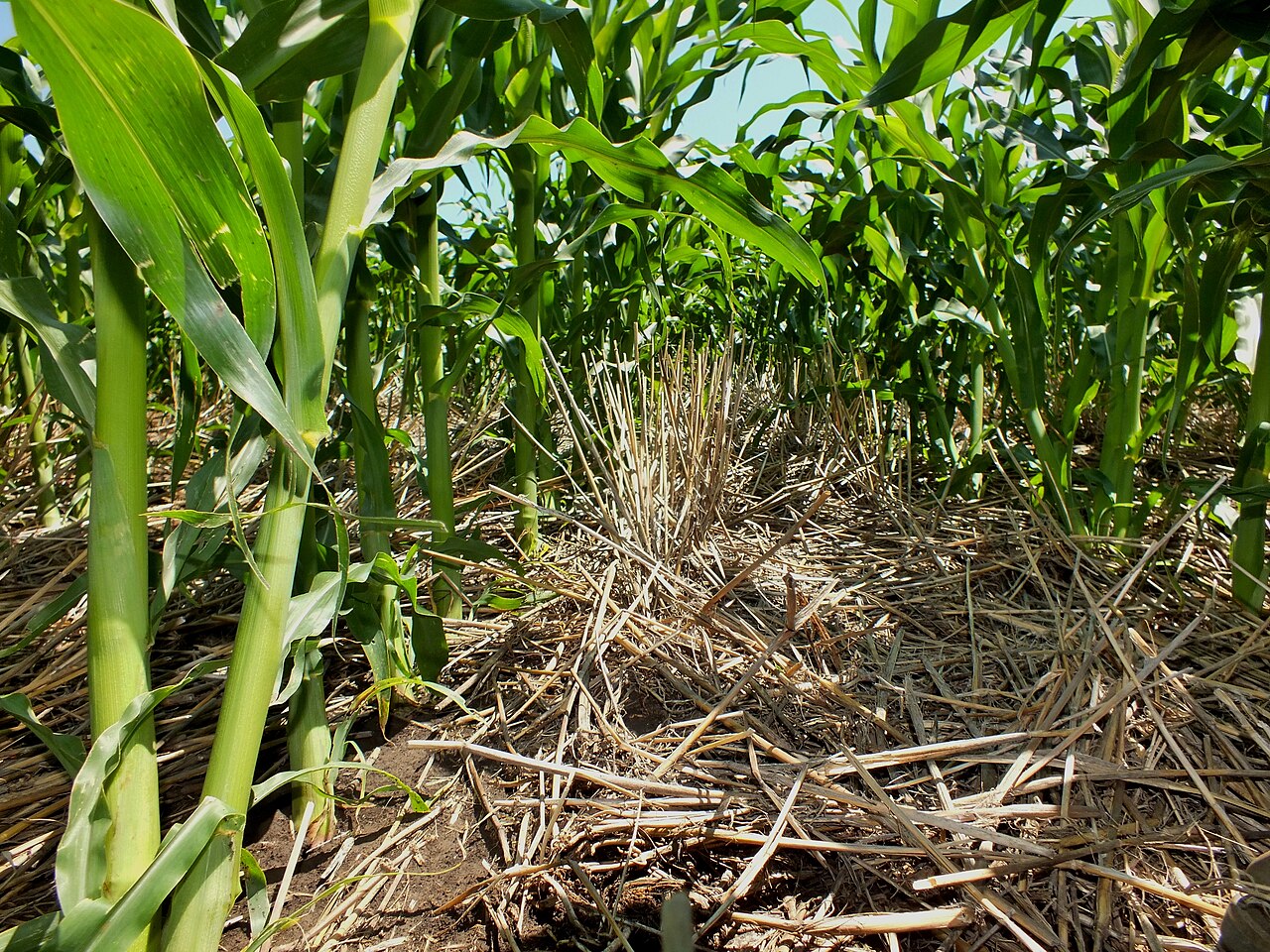
Farmers in Damurhuda upazila of Chuadanga were urged on Saturday to use more organic fertiliser and to stop the excessive, unplanned use of chemical fertiliser and harmful pesticides, to protect soil fertility and the environment and to grow safe food.
The advice meeting was organised by Bashundhara Shuvosangho at about 10am on Saturday (7 November) in the yard of the Chitla Desh brickfield. It was chaired by Haji Abdul Kadir, vice-president of the organisation's Damurhuda upazila unit. The chief guest and adviser was Saiful Islam, the upazila sub-assistant agriculture officer.
Saiful Islam said many farmers apply more chemical fertiliser and pesticide than they need in the hope of a bigger harvest. Yields may rise for a while, he said, but over time soil fertility, the environment, biodiversity and human health can suffer. Too much fertiliser upsets the soil's nutrient balance and disrupts beneficial micro-organisms, and rain carries the chemicals into ponds and rivers.
Pesticide used without need, or above the set dose, can leave harmful residues on crops that reach people through food and water, he said. It also kills beneficial insects such as bees and butterflies, which reduces pollination and weakens the natural control of crop pests.
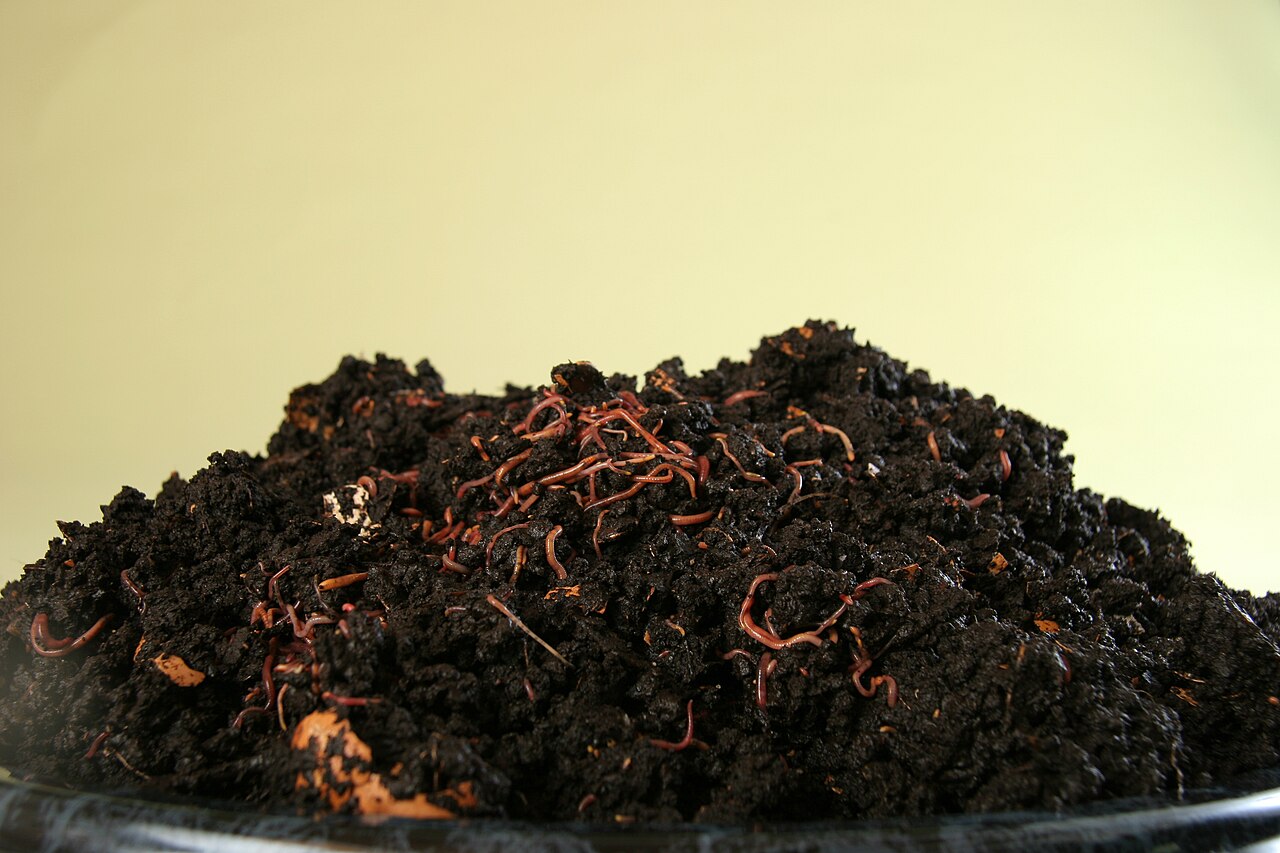
Speakers stressed cow dung, compost and vermicompost, which they said raise the organic matter in soil, improve its structure and help it hold water. Farmers were encouraged to make organic manure themselves, and to apply chemical fertiliser in balanced doses that match the soil and the crop.
To cut pesticide use, the meeting recommended integrated pest management (IPM): pheromone traps, light traps, biological control and protecting beneficial insects. Where a pesticide is truly needed, farmers were told to use an approved product at the set dose on an agriculture officer's advice, and to observe the waiting period before harvest.
Safe food is not the farmer's responsibility alone, the speakers said: it is tied directly to public health and the environment, and the move towards eco-friendly farming has to start now to keep farmland fertile for the next generation.
Reported by the banglanews24 news desk.
Source: banglanews24

Comments
(0)