
Cover crops are not one size fits all, writes Madison Faulk, agronomic and natural resource technician at the Carroll Soil and Water Conservation District in Ohio, in a column for Farm and Dairy. She likens them to a winter coat for a field and argues the choice should follow each field's specific problem, such as low nutrients or compaction.
Grasses, with deep, fibrous roots, are the choice against erosion, nutrient loss and compaction. Citing an Ohio State University presentation, she notes that they put carbon into the soil, free phosphorus and potassium and suppress weeds, though cool-season grasses can use up soil nitrogen as they grow. Annual rye is the most common, a strong compaction fighter and nitrogen scavenger seeded at about 20 pounds an acre, but it is allelopathic, suppressing germination around it, so it suits weed control better than mixes and can be hard to terminate.
Oats also suppress weeds and die off over winter, so usually need no mechanical termination; they are planted around mid-October. Winter wheat and triticale can go in until 1 November, according to the Midwest Cover Crop Council, and mix well with a legume; triticale also suits interseeding into a cash crop. Spelt, a wheat subspecies valued as feed for its energy and protein, is a newer and more forgiving option.
Legumes are the nitrogen builders. Bacteria in their roots fix nitrogen from the air and leave it available for the next crop, so the right inoculant matters. Crimson clover tolerates drought and poor soil, survives down to 10 F and fixes at least 70 pounds of nitrogen an acre; hairy vetch, hardy but harder to establish, and winter peas each fix at least 90 pounds. Legumes are high in protein for grazing, though pure legume grazing carries a bloat risk, and in bloom they attract pollinators. Their recommended Ohio planting window closes earlier, on 28 September.
Faulk, who calls herself an enthusiast rather than an expert, points readers to a soil health field day on 10 November in Lisbon, Ohio, run by the Carroll and Columbiana soil and water conservation districts, the Ohio No-Till Council and Ohio State University Extension. The advice is hers.
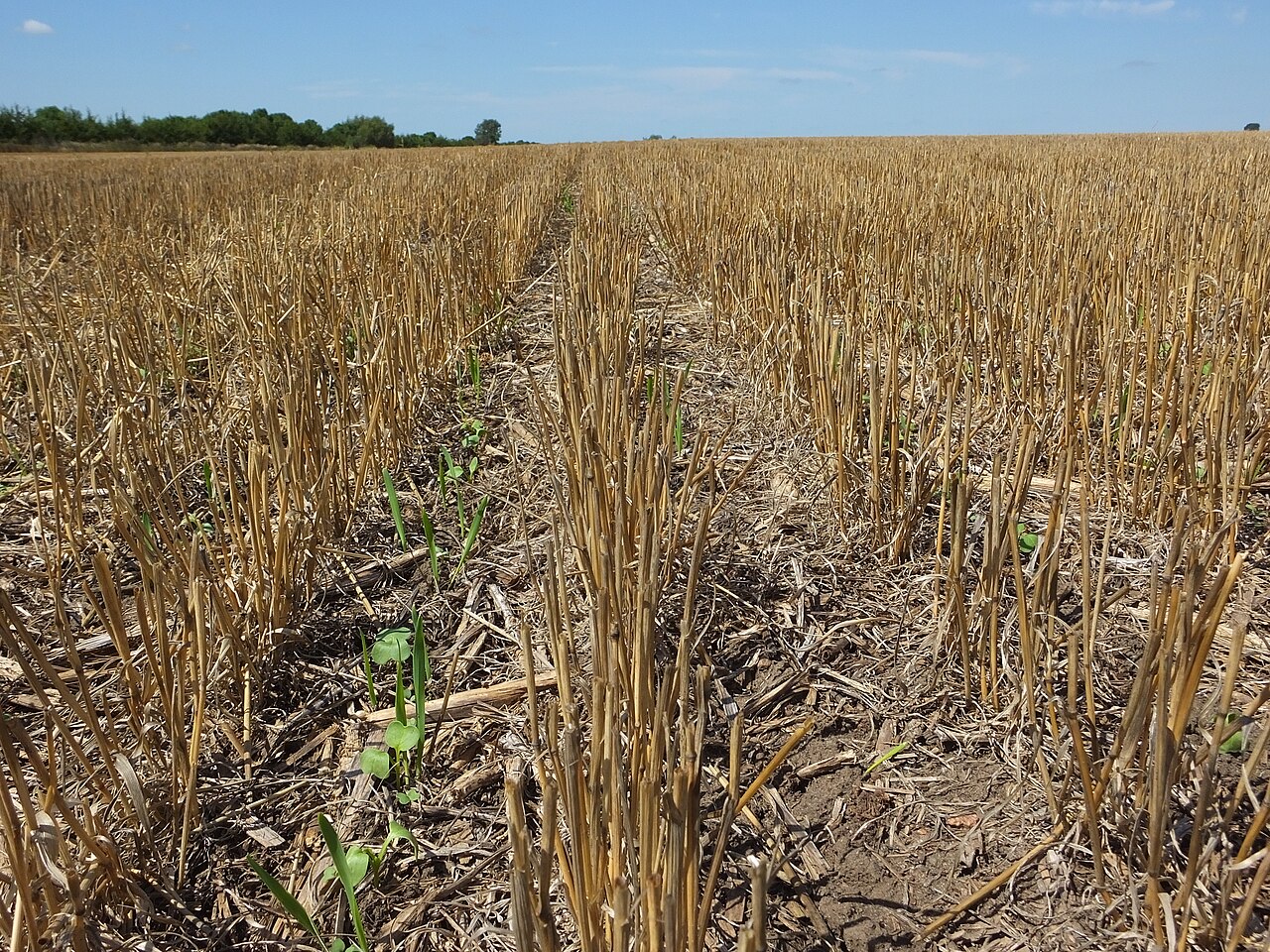
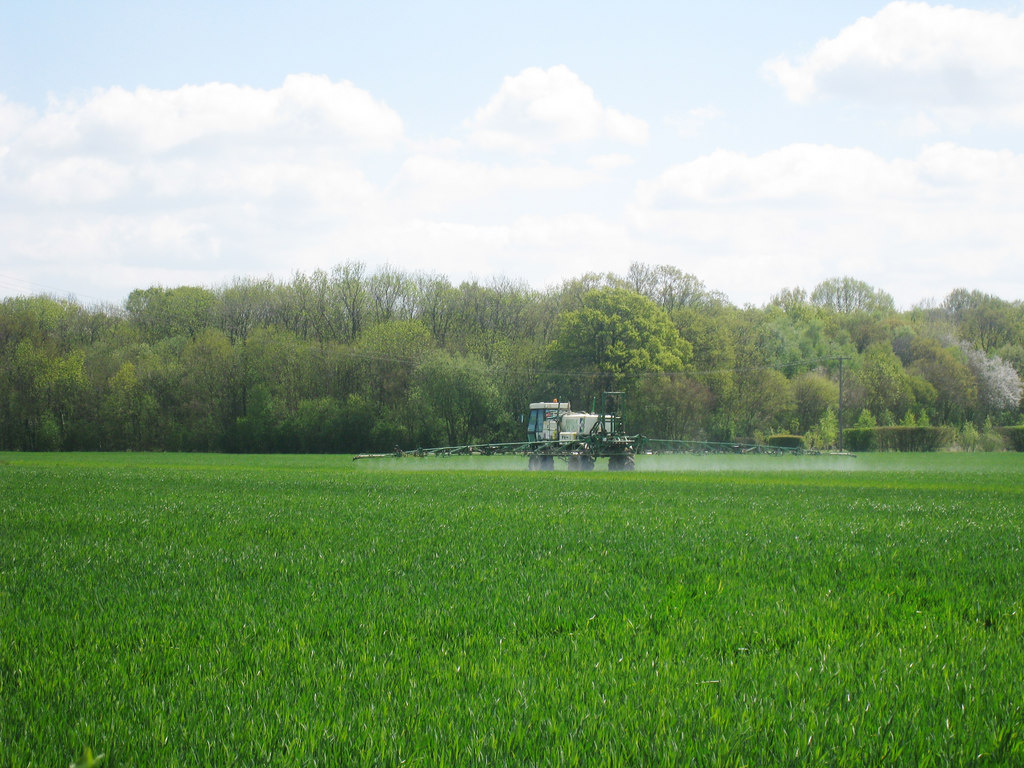
Photo: USDA NRCS South Dakota (cover crop seedlings in wheat stubble) / Wikimedia Commons (CC BY-SA 2.0)
Source: Farm and Dairy
Comments
(0)