
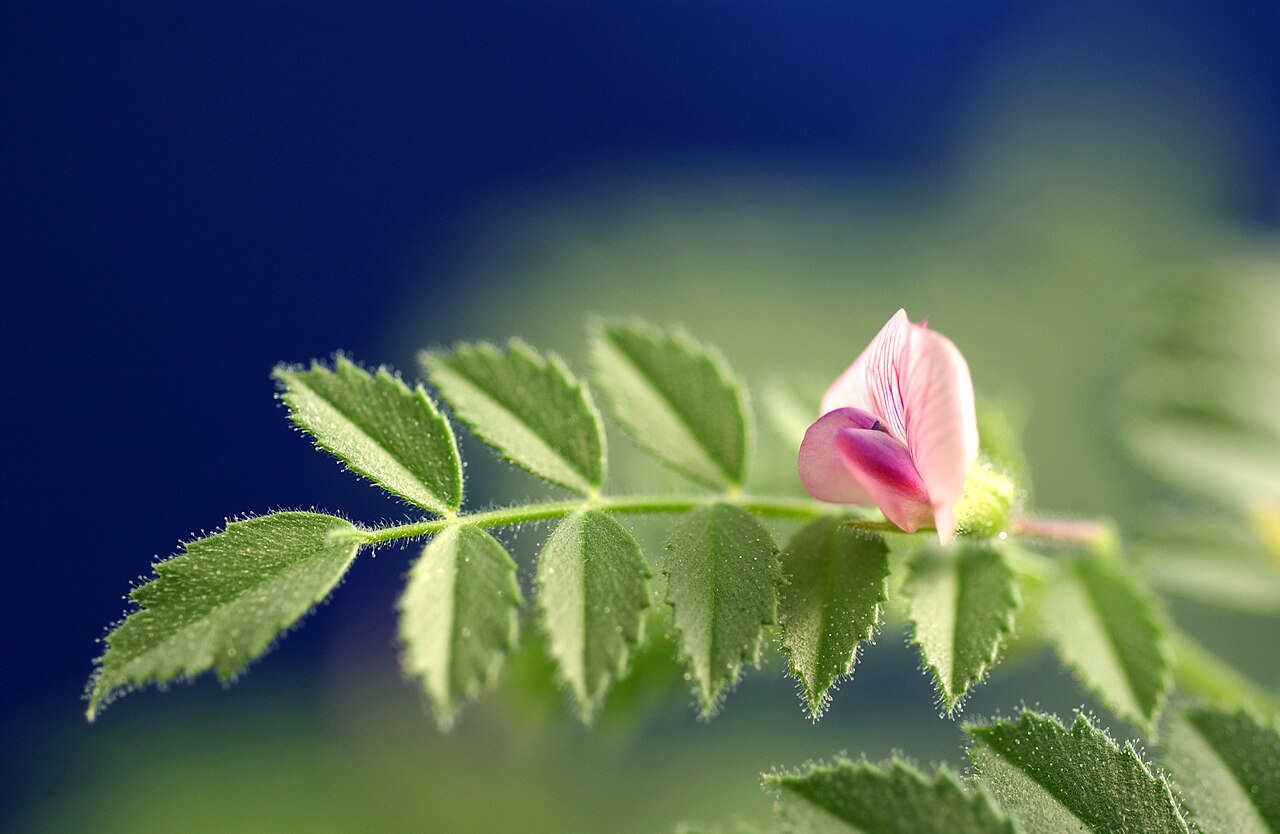
Chickpea is one of Bangladesh's favourite pulses — eaten as dal, roasted, and by the sackful in Ramadan. It is also a crop that pays the farmer well for little input.
What it gives
- Protein for muscle, fibre for digestion, iron, magnesium, zinc and the B vitamins.
- Low in calories; a low glycaemic index that helps control blood sugar.
- Fibre and antioxidants that protect the heart; calcium and magnesium for bones.
Growing it
- Soil: loam or clay-loam; a winter (rabi) crop sown from November to January.
- Seed: a high-yielding variety, treated with fungicide before sowing.
- Land: ploughed fine, with organic manure and the recommended fertiliser.
- Sowing: rows 40–45 cm apart, 50–60 kg of seed per hectare.
- Water: little needed; a light irrigation in drought.
- Weeds and pests: keep the field clean; watch for blight, wilt and cutworm and treat in time.
Varieties
- BARI Chola-2 (Baral): large light-brown seed, 140–150 g per thousand, popular with growers and buyers alike.
- BARI Chola-3 (Barendra): upright plant, very large seed at 185–195 g per thousand, cooks in 40–44 minutes.
- BARI Chola-4 (Jorafool): medium upright plant, dark leaves, twin flowers.
Harvest when pods turn straw-coloured, dry well and store dry: a crop that feeds the family and the market.
Photo: Chickpea plants (Cicer arietinum) — Carl Davies, CSIRO / Wikimedia Commons (CC BY 3.0)

Comments
(0)