
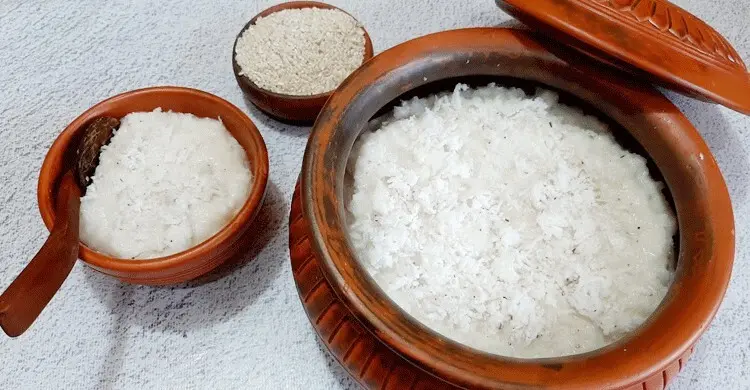
For the people of any region, their own food is not just something to eat but part of their heritage, culture and emotion. Every district has dishes that carry its history and way of life. Just as rice, fish and bhorta matter in our food culture, Madhubhat is a traditional dish especially popular with the people of Chattogram. Handed down through generations, it is bound up not only with taste but also with family ties and social customs.
In Chattogram, Madhubhat is usually made for festivals, family gatherings and special occasions. In the past there was a lovely custom around it: in the months of Ashwin and Kartik, families sent pitchers full of Madhubhat to their daughters' in-laws' homes as a sign of love and care for the daughter. Many families still keep up the tradition.
In rural Chattogram, serving Madhubhat to guests or at family get-togethers was once very common. Its taste and aroma are still tied to many people's childhood memories.
How to make Madhubhat
First soak binni (glutinous) rice and polao rice in water for about 10 minutes, wash well and cook into soft rice with enough water and salt. When the rice turns somewhat sticky, lower the heat and cover. Then take the rice off the heat, sprinkle in jala rice powder little by little and mix well. Scatter more jala rice powder over the top and leave covered in a warm place for about 12 hours. During this time the rice goes through a special fermentation that enriches the flavour of Madhubhat.
Meanwhile, boil milk in a pan until thick. Add grated coconut, a little salt and condensed milk or sugar, and cook for a while. When the mixture has cooled, mix it well into the rice. Serve in bowls topped with coconut and powdered milk.
Some people like it a little thinner. Cold Madhubhat is especially tasty on hot days.
Its benefits
Madhubhat is not only tasty but nutritious. Its carbohydrates help give the body quick energy. The natural glucose and fructose of honey relieve fatigue and give an instant boost. Milk and coconut supply calcium, healthy fats and other important nutrients, so it works as an energy-giving food.
The natural enzymes of the honey used in Madhubhat help ease digestion, and its antioxidant and antibacterial components also help boost immunity.
Many believe that honey-rich food can give some relief during colds, coughs or sore throats. It is no substitute for treatment, but as a nutritious food Madhubhat helps give the body energy.
Amid fast food and modern dishes, many traditional foods are dying out. Yet Madhubhat still has a place in many Chattogram kitchens, because it is not just a dish but a symbol of family heritage, memory and love. The information draws on an outline of Chattogram's society and culture, Healthline and other sources.
Source: Jagonews24. First published in Bengali on The Agro News.

Comments
(0)