
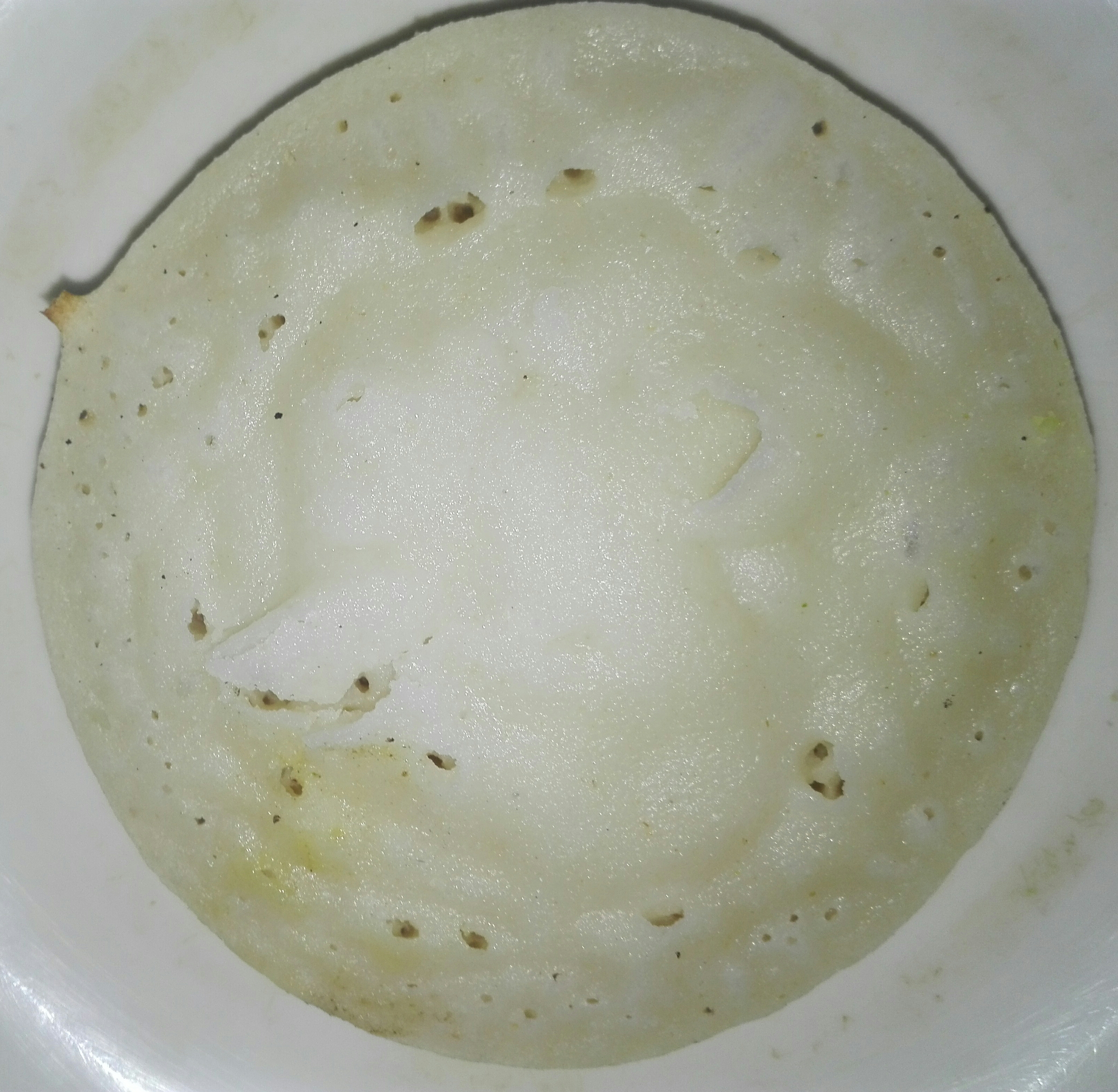
On 24 January 2026, in the middle of the winter pitha season, the lifestyle desk of the Bangladeshi news site Jagonews24 published a short recipe for chapti pitha, a thin savoury rice-flour pancake meant to be eaten hot with a cup of tea. Winter in Bangladesh, the desk wrote, is not only about sweet pitha made with date-palm molasses or cane jaggery: the savoury pitha of the season are just as popular, and a hot chapti on a cold evening, served with a spicy bharta (a mashed relish), makes a lively mix of flavours. The pitha is made from dry rice flour and a handful of ingredients found in most Bangladeshi kitchens, so it can be prepared quickly for the whole family.
This report gives that recipe as it was published and adds the background a reader at the time could use: what pitha are and why winter is their season, the rice and the fresh herbs that go into the batter, the date-palm molasses that sweetens the season's other pitha, the health warning that comes with raw date-palm sap, and the tea that Bangladesh grows and drinks alongside its winter snacks.
The recipe as Jagonews24 published it
The recipe uses one cup of rice flour as its base. Everything else is seasoning, measured in ordinary household spoons:
- Rice flour: 1 cup
- Chopped onion: 4 tablespoons
- Chopped chilli: 1 teaspoon
- Chopped coriander leaves: 2 tablespoons
- Chopped ginger: 1 teaspoon
- Turmeric powder: half a teaspoon
- Salt to taste
- Water as needed
The method has five steps:
- Mix all the ingredients together into a batter. The batter should be neither too thick nor too thin.
- Put a tawa (a flat iron griddle) on the stove and grease it with a little oil.
- With a round spoon, spread the batter thinly over the tawa and cover it with a lid.
- After a while, lift the lid, turn the chapti over and leave it on the heat a little longer.
- Serve the chapti pitha hot with tea; a spicy bharta goes well alongside.
The one judgement the cook has to make is the thickness of the batter, because the recipe gives the water only as "as needed". A batter that is too thick will not spread into a thin layer, and one that is too thin will not hold together on the griddle. A recipe for a related thin rice-flour pitha, published by The Financial Express in November 2022, makes the same point about consistency: it adds the water gradually, whisks out all the lumps, and warns that a thicker batter gives a thicker pitha.
What chapti pitha is
Pitha are the traditional home-made cakes of Bangladesh. Banglapedia, the national encyclopedia published by the Asiatic Society of Bangladesh, describes them as food for special occasions rather than everyday meals: they are made to receive a bride or a groom, to entertain guests, and for gatherings of family, relatives and friends. Their most common base is rice or wheat flour, with molasses or sugar, coconut and oil. Some pitha use meat or vegetables, and some use fruit such as jackfruit, palmyra, coconut or banana.
Most pitha are sweet, but Banglapedia notes that there are savoury (jhal) and sour ones as well. Its list of the kinds made around the country, which runs from chitoi, patishapta, pakan and bhapa to kulshi, nakshi, pata and jhuri pitha, also names a chapdi pitha. Each area has its own types, and the same pitha can carry different names in different places. An exhibition organised by the Bangladesh Shishu Academy in 1991 displayed 106 categories of pitha, the encyclopedia records.
Chapti is one of the thin pitha cooked by spreading a rice-flour batter on a hot pan. A close relative is chhita pitha, also called chhit ruti, which The Financial Express described in November 2022 as a popular winter food eaten as a morning or evening snack or as a full meal. Its batter of rice flour, salt, ginger paste and, if wanted, turmeric is sprinkled by hand on to the pan in a circle until the dots join, rather than spread with a spoon, and it is eaten with duck, chicken or beef curry or with bhartas; the paper named duck curry as the favourite winter pairing. Chapti takes the same simple base but stirs onion, chilli and fresh herbs into the batter itself, which is why it can be eaten on its own with tea.
A season that begins with the rice harvest
The pitha season, Banglapedia says, begins in late autumn (Hemanta), when farmers harvest their paddy. Pitha are made all year round, but those of winter are thought the most delicious, because date-palm juice and molasses, as well as cane molasses, are available then. In the villages neighbouring families sometimes get together to make pitha and share them; children and elders ask for them, and mothers and grandmothers make them. A new bridegroom is honoured with intricately decorated, colourful pitha, which Bengali calls jamai bhulano pitha.
The encyclopedia also records a change in towns and cities, where commercial cakes and pastries are gradually taking the place of home-made pitha. Pitha have not lost their appeal, however: they are sold in upmarket shops and at small roadside stalls, and pitha fairs organised by the Bangladesh Shishu Academy and women's associations remain popular.
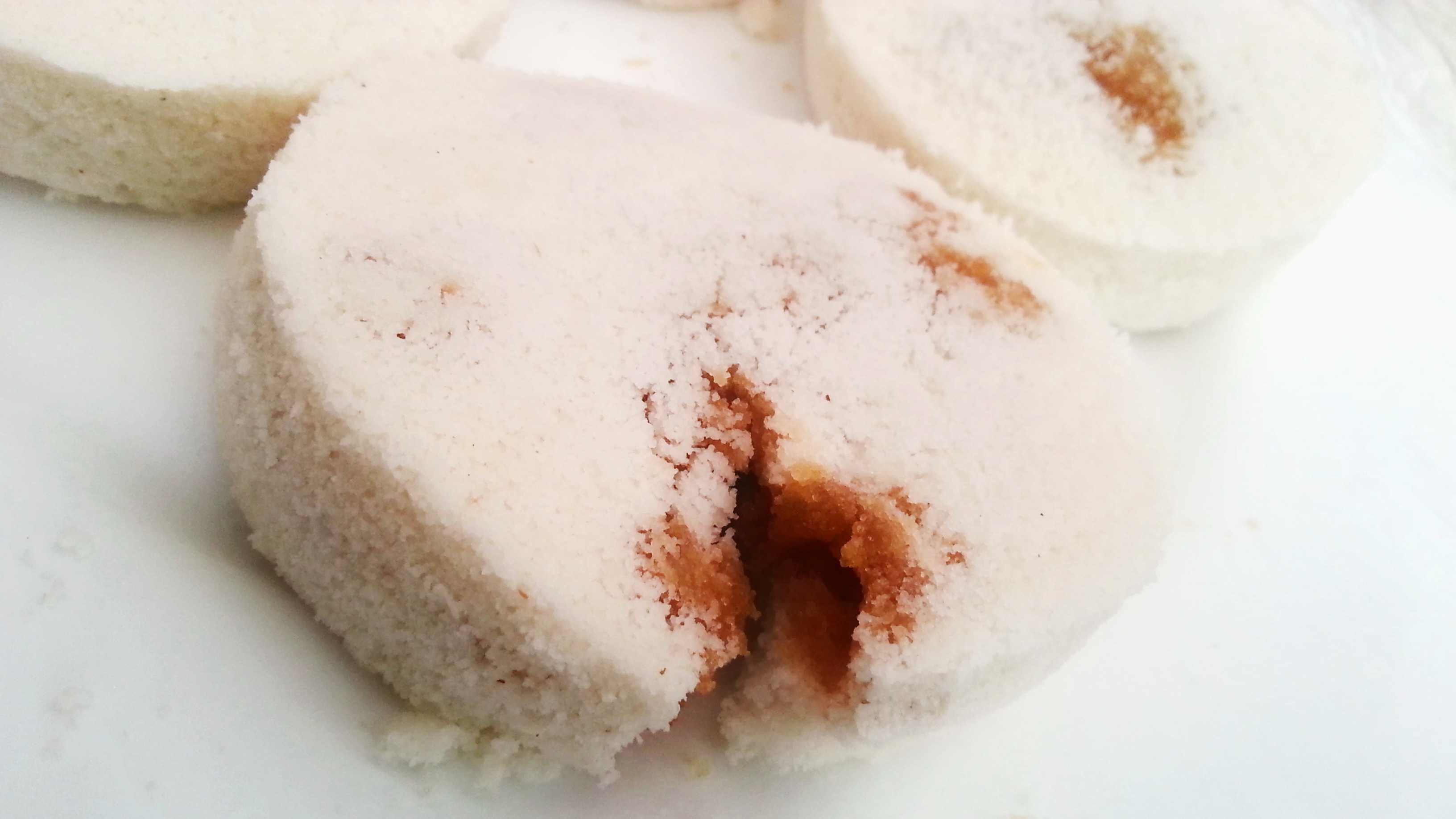
The flour in the bowl comes from the country's main crop. Banglapedia's article on rice calls the grain "the symbol of wealth" in Bengali culture and notes that it is grown in Bangladesh throughout the year in three seasons, Aus, Aman and Boro. The Aman crop is the one harvested at the start of the pitha season. For the 2025-26 season the Department of Agricultural Extension (DAE) set a target of about 1.81 crore (18.1 million) tonnes of Aman rice from more than 59 lakh hectares, according to a DAE report carried by the state news agency BSS on 18 November 2025. By that date about 20 per cent of the Aman harvest had been cut, and officials expected the harvest to be finished by the first week of December.
The same DAE report broke the Aman target down by type: 1.51 crore tonnes from high-yielding varieties, 17.50 lakh tonnes from hybrids, 9.75 lakh tonnes from local varieties and 3.30 lakh tonnes from broadcast and deep-water Aman. It put the season's Aus output at 29.93 lakh tonnes against a target of 32.22 lakh tonnes, and set the target for the coming Boro crop at 2.27 crore tonnes.
The herbs and spices in the batter
Chapti owes its taste to fresh seasonings rather than to sugar. Coriander (Coriandrum sativum), whose chopped leaves go into the batter, is a winter crop in Bangladesh: Banglapedia says it is cultivated extensively in winter, is sown in October and November and matures in 90 to 105 days, and that the young plants are used in chutneys, sauces, curries and soups.
Ginger (Zingiber officinale), a rhizome of the family Zingiberaceae native to Southeast Asia, is grown in Bangladesh mainly as a rain-fed crop on uplands and hill slopes, according to Banglapedia, with Dinajpur, Rangpur, Tangail, Chittagong and Rangamati among the main growing districts; many farmers also grow it on homestead land. The encyclopedia notes that in Bangladesh it is used more as a condiment than as a spice. The Financial Express's chhita pitha recipe uses ginger paste in the same way, to give the batter a mild flavour, with turmeric as an optional addition for colour.
Date-palm molasses, the sweet side of winter
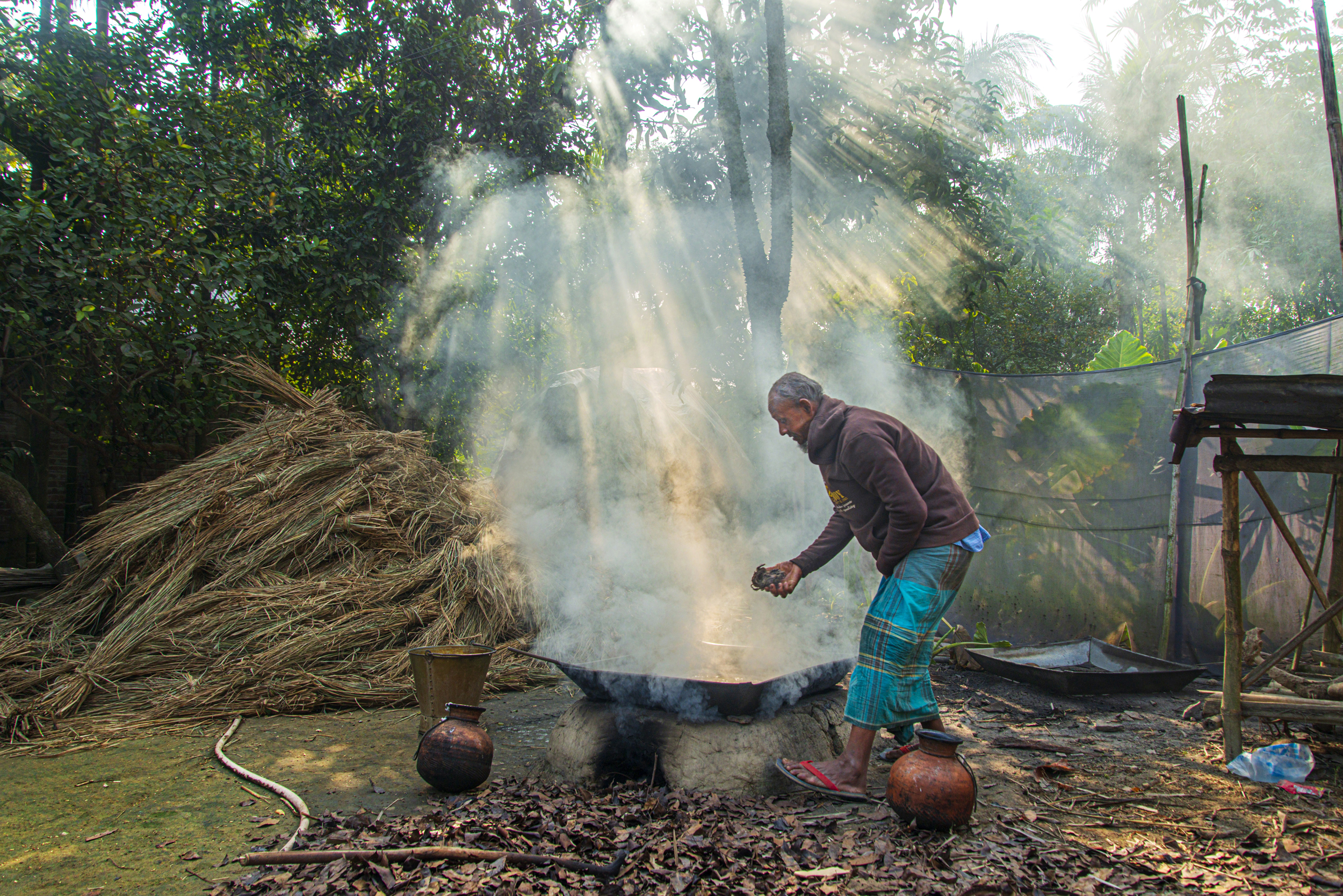
The sweet pitha that chapti is set against in the recipe's opening line depend on gur, the unrefined sugar made by boiling down sweet plant juice. Banglapedia's article on gur says most of the country's gur is made from cane juice and date-palm juice. Date-palm sap is collected from mid-November to mid-March: the gachhi (sap collector) cuts into the soft top of the trunk, and the sap drips overnight through a narrow bamboo pipe into a pot. Collection follows a six-day cycle followed by three days of rest. The first night's sap, called jiran, is the best, followed by dokat and jhara. A healthy tree gives about six litres a day, with the highest yields in December and January. The juice has to be boiled quickly to stop it fermenting, and the gur is used in payesh (a sweet rice dish), winter cakes and sweets.
Jashore has long been known for its date-palm gur. On 15 February 2024 the Department of Patents, Designs and Trademarks under the Ministry of Industries published Jashore's date-palm gur as a geographical indication (GI) product, together with Rajshahi's mishti paan and Jamalpur's nakshi kantha, bringing the number of GI products approved in Bangladesh to 31, the daily Ittefaq reported that day.
Exact national output is hard to pin down. Citing the government's Agricultural Information Service, Prothom Alo reported in January 2024 that Bangladesh produces about 3.5 to 4 lakh tonnes of gur a year, of which date and palm sap gur accounts for 30,000 to 40,000 tonnes, most of it from date palms; traders believed the real market was larger. The paper named Jashore as a major market and Faridpur, Meherpur, Satkhira, Natore, Sirajganj, Rangpur, Lalmonirhat, Kurigram, Nilphamari and Gaibandha among the producing districts, and reported that demand was rising in the cities, where date gur was used in home cooking, at roadside pitha shops and at some tea stalls in place of cane gur. In Chuadanga that season, the district DAE office said 2,71,960 date palms were being tapped, with a production target of 3,264 tonnes.
In the season in which the chapti recipe appeared, the Jashore DAE office said the district had produced 3,500 tonnes of date gur in the previous season and that 500 tonnes had been exported abroad, the daily Desh Rupantor reported on 27 November 2025; gachhis were being trained in hygienic production and storage of gur. A day earlier the same paper reported that the district aimed to sell about Tk 100 crore worth of sap, gur and patali (solid gur) in the 2025-26 season, which runs from Ashwin (mid-October) to Chaitra (March), and that the DAE was encouraging safe collection under cover instead of in open pots.
Nipah virus: why raw date-palm sap is not safe to drink
The same winter sap carries a serious risk when it is drunk raw. Fruit bats can contaminate the sap with their saliva or urine when they feed at the collecting pots overnight, and the sap can then carry Nipah virus. In its Disease Outbreak News of 18 September 2025, the World Health Organization (WHO) said Bangladesh had documented 347 Nipah cases since the first recognised outbreak in 2001, with a case fatality rate of 71.7 per cent. Nearly half of those cases, 162, were primary cases with a confirmed history of drinking raw date-palm sap or tari (fermented sap), and outbreaks follow the sap harvest, between December and April.
WHO said Bangladesh reported four confirmed Nipah cases between 1 January and 29 August 2025, all of them fatal, from Pabna, Bhola, Faridpur and Naogaon districts. The first three patients had drunk raw date-palm sap; the fourth, a child in Naogaon who fell ill in August, outside the usual season, had not, and the source of that infection was still under investigation. In 2024 five laboratory-confirmed cases were reported, and all five patients died.
At a meeting on Nipah held at the Institute of Epidemiology, Disease Control and Research (IEDCR) in Dhaka in December 2024, Professor Tahmina Shirin of IEDCR said raw date-palm sap is the main route of transmission and that symptoms, including fever, may appear within eight days of drinking contaminated sap, The Daily Star reported. By then the virus had been detected in 34 districts, there was no vaccine, and observation centres for Nipah patients had been set up in 12 tertiary hospitals. She also advised washing fruit and vegetables thoroughly and not eating fruit bitten by bats, other animals or birds.
WHO's advice is direct: "Freshly collected date palm juice should be boiled, and fruits should be thoroughly washed and peeled before consumption." Fruit with signs of bat bites should be thrown away. The chapti recipe itself uses no sap at all; the warning applies to raw sap drunk on its own or poured over pitha. Anyone who develops fever, headache or confusion after drinking raw sap should see a doctor at once.
Tea, the other half of the pairing
The recipe's last line pairs the pitha with hot tea, and black tea, Banglapedia says, is the most popular and widely accepted beverage in Bangladesh. Tea cultivation in what is now Bangladesh began in Chittagong in 1840 with a few plants brought from China, and the first tea garden was established in 1854 at Malnichhara in Sylhet, according to Banglapedia's article on the tea industry.
Figures from the Bangladesh Tea Board, reported by The Daily Star on 4 February 2025, put the country's 2024 output at 9.30 crore kilograms, down from a record 10.2 crore kilograms in 2023. Pijush Dutta, the board's member for research and development, blamed erratic rainfall that made conditions unsuitable for cultivation; estates also concentrated on quality, and the twelve state-owned gardens of the National Tea Company stayed closed for more than ten weeks in 2024. The industry was then 184 years old, with 169 tea gardens covering more than 2,80,000 acres. Moulvibazar, with 90 gardens, produced 55 per cent of the national output, and Habiganj came second with 22 per cent; the peak season runs from June to November.
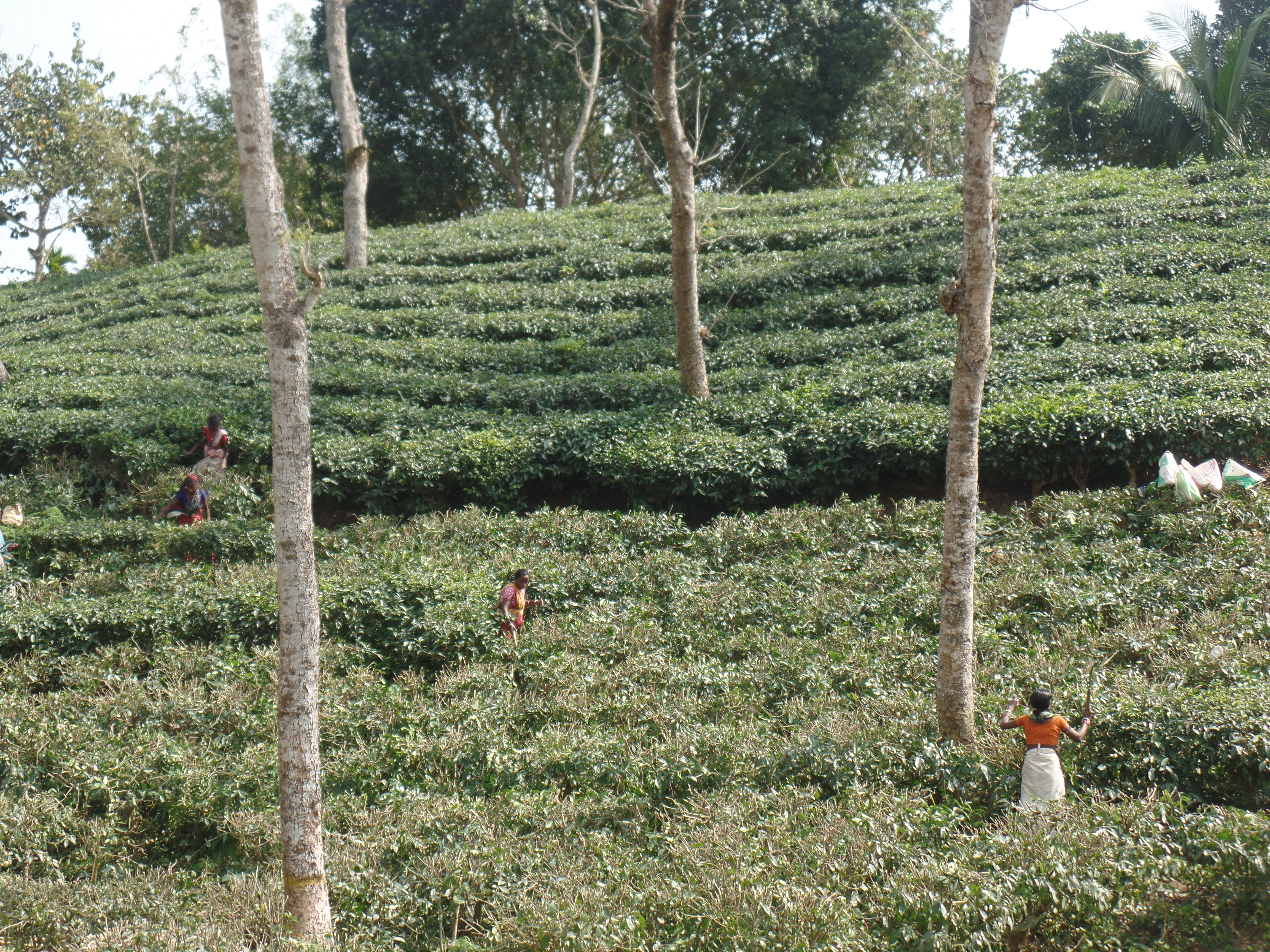
Most of the crop is drunk at home. Industry sources quoted in the same report put annual domestic demand at 8.5 to 9 crore kilograms. Exports in 2024 reached 24.5 lakh kilograms, the highest annual volume since 2017, and earned Tk 382.52 million; the Tea Board had set a 2025 export target of more than 1.5 crore kilograms. According to the Bangladesh Tea Association, Bangladesh was the world's ninth-largest tea producer, with about 2 per cent of global output.
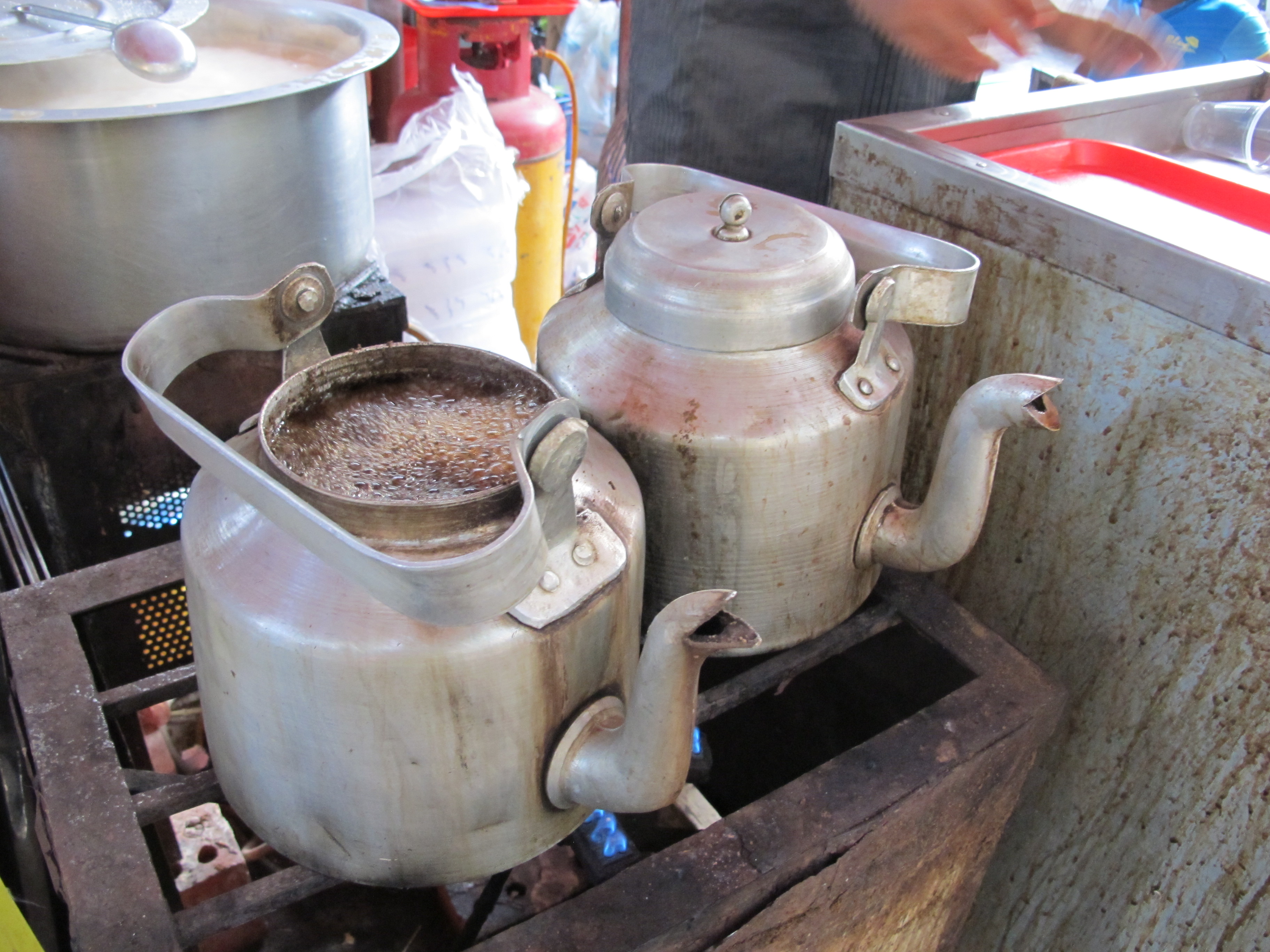
Photo: Ferdous / Wikimedia Commons (CC BY-SA 4.0)
Sources: Jagonews24, Banglapedia (Asiatic Society of Bangladesh), The Financial Express, Bangladesh Sangbad Sangstha (BSS) via The Business Standard, Department of Agricultural Extension (DAE), Prothom Alo, The Daily Ittefaq, Desh Rupantor, World Health Organization (WHO), Institute of Epidemiology, Disease Control and Research (IEDCR) via The Daily Star, Bangladesh Tea Board via The Daily Star


Comments
(0)