
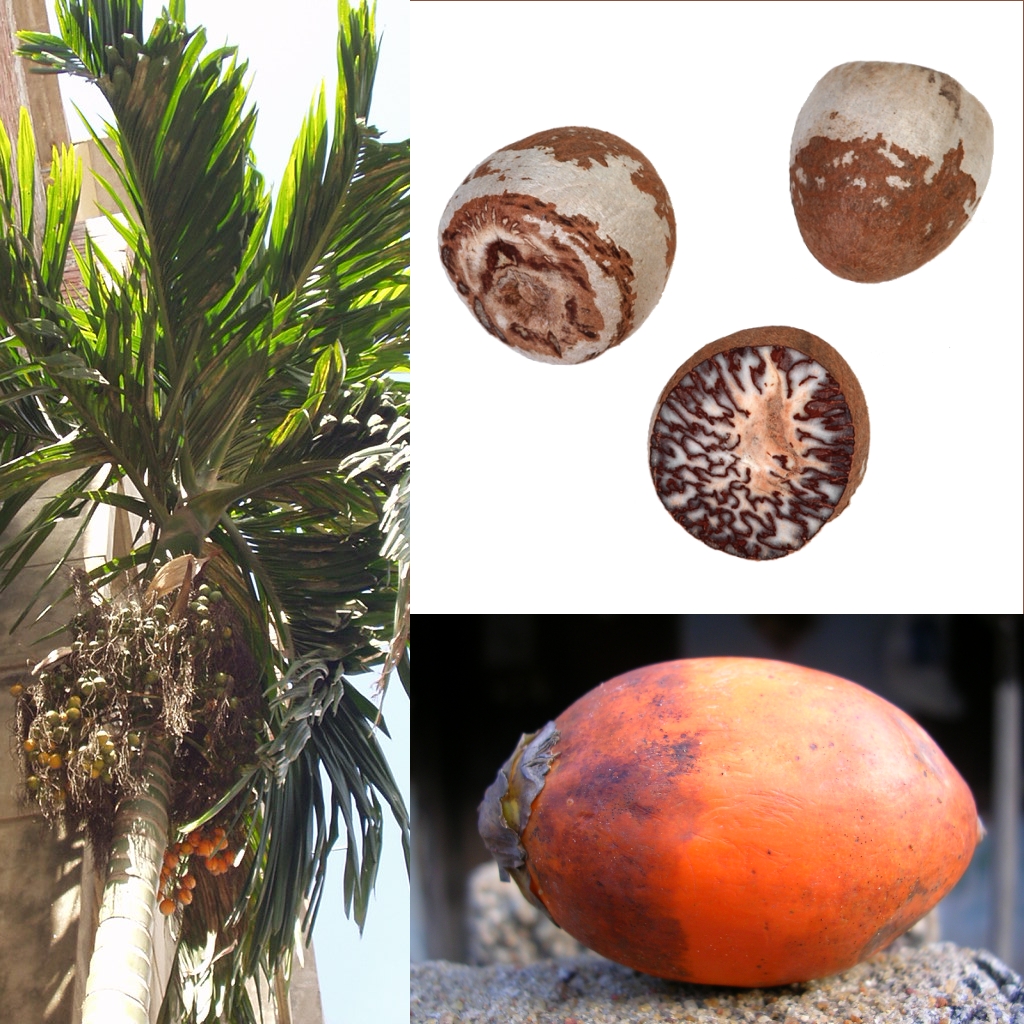
Areca nut (supari) is a big driver of the economy of Haimchar, a six-union upazila on the Meghna in Chandpur. About Tk 100 crore worth of nuts is sold each year, meeting local demand and going to other parts of the country, Channel i Online's Morshed Alam reports.
Areca groves surround the homes, gardens and betel-leaf vineyards along the Meghna's east bank; there is no house without an areca palm. This year 528 hectares in the upazila were under the crop. Sales peak in the Bengali months of Bhadra and Ashwin, when traders buy from farmers and bring the nuts to wholesale stores at the local Howladar Bazar.
The upazila's biggest wholesale market has 10 major traders. Nuts come there from Lakshmipur and Raipur as well as Haimchar, and this market alone trades Tk 30 to 35 crore a year.
Haimchar upazila agriculture officer Mohammad Shakil Khandaker says 80 fresh nuts now sell for Tk 160 to 200 and dried nuts for Tk 380 a kilo. Farmers here have become financially self-reliant through areca sales, he says.
A farmer sells at least Tk 70,000 to Tk 100,000 worth of nuts a year to support the household. Growers are calling for imports of areca nut to be stopped to protect domestic producers.
In Haimchar, betel leaf and areca nut are two crops of the same homestead: palms around the vineyard, vines inside. Like betel leaf, the price of areca depends on the market and on imports, so the growers' demand concerns a large share of their income.
Photo: Agnieszka Kwiecień, Nova / Wikimedia Commons (CC BY-SA 3.0)
Source: Channel i Online

Comments
(0)