
CarbonFarm, a Paris company that measures and helps reduce emissions from rice farming, has raised 7 million euros in an oversubscribed Series A round to expand its satellite monitoring into more countries. Colam Impact led the round, with new money from Proparco, Suma Capital, elea, Working Capital Fund, Albo and Bpifrance, and continued backing from Serena, makesense and Techmind.
Flooded paddies create oxygen-poor soil in which certain bacteria produce methane. According to CarbonFarm, rice accounts for roughly 12 percent of human-caused methane emissions and uses up to 28 percent of the freshwater applied to crops worldwide.
Its platform combines satellite imagery analysed with artificial intelligence, field data and greenhouse gas modelling to estimate emissions farm by farm rather than from regional averages. The aim is to confirm that an individual farm has actually changed its water management, not to assume a whole district has done so because some farms have.
That proof feeds into carbon credits. Carbon markets have been criticised over credits that claimed cuts without solid farm-level evidence, and large food and consumer goods companies are pressing suppliers for better measurement. The company says keeping paddies flooded for less time can cut methane by as much as 50 percent and water use by 30 percent without lowering yields.
CarbonFarm says it works with producers, cooperatives, agribusinesses, non-profit groups, agencies and local developers on the whole chain, from structuring a project and arranging finance to certification and finding buyers. It now operates in 19 countries. "Scale will not come from replacing local value-chain players, it will come from equipping them," co-founder and chief executive Vassily Carantino said.
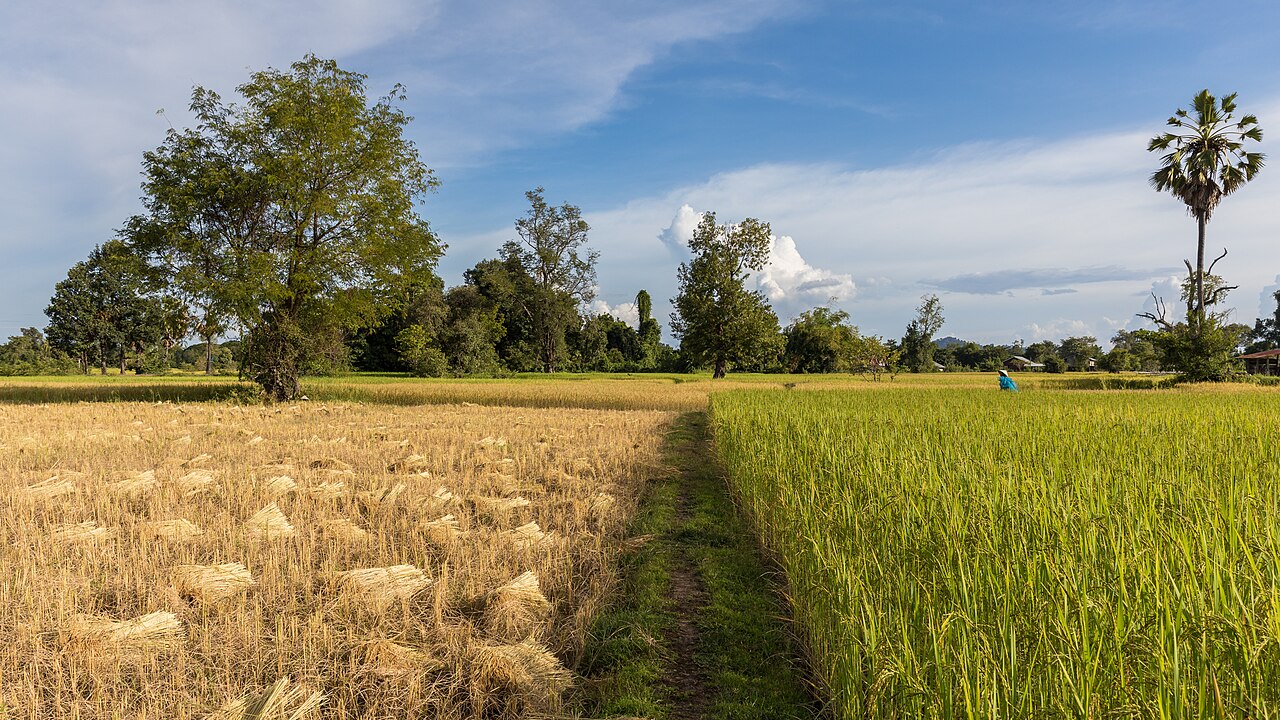
Photo: Basile Morin / Wikimedia Commons (CC BY-SA 4.0)
Source: Global Agriculture

Comments
(0)