
French climate tech startup CarbonFarm has raised €7 million ($7.8 million) to grow its platform for cutting methane and water use in rice farming and financing the change through carbon credits. The money will extend its work with farmers in 19 countries across Asia, Africa and Europe and speed its move into Latin America. Benjamine Friderich, investment director at Colam Impact, called rice "one of the largest untapped decarbonisation opportunities globally".
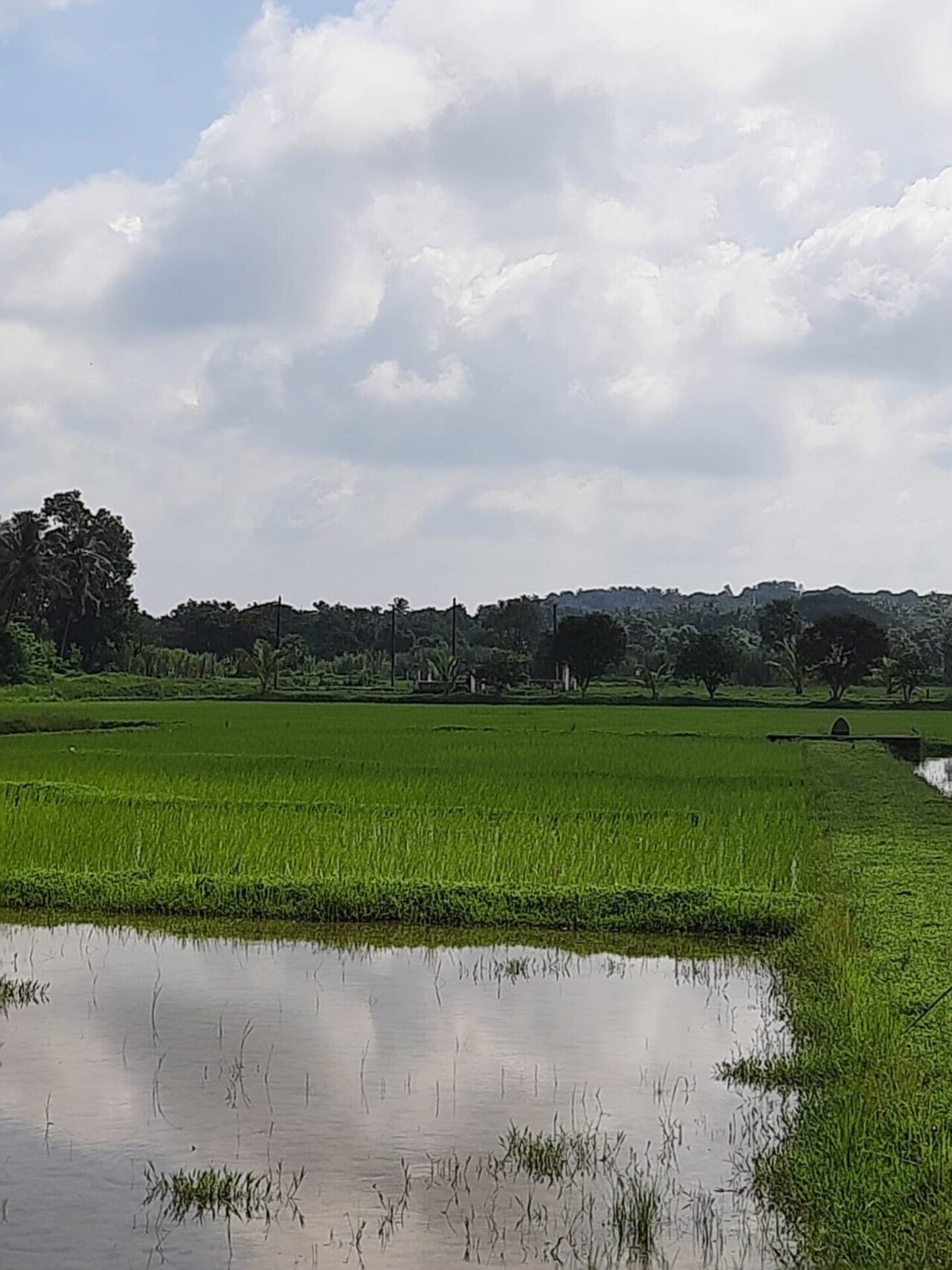
The problem is the paddy itself. Rice feeds half the world but uses up to 28 percent of the world's freshwater and produces 9 to 12 percent of global methane emissions, about as much as the whole aviation sector, Green Queen reports. Methane is 86 times more potent than carbon dioxide over 20 years, and much of it comes from fields kept flooded throughout the season.
The main fix CarbonFarm works with is alternate wetting and drying (AWD), in which the paddy goes through several wet and dry cycles instead of staying under water. Studies have found AWD can cut water use by up to 30 percent and emissions by up to 50 percent without lowering yields. The company also supports the system of rice intensification and direct-seeded rice.
Its role is measurement. "We combine AI analysis of satellite imagery, field data collection tools and greenhouse gas modelling to track practices and quantify emissions at field level, across thousands of smallholder plots," chief operating officer Aparna Raturi told Green Queen. Better water management can cut methane by 30 to 40 percent, she said, but the effect varies by location; in some countries the company's models are over 90 percent accurate. Credits are certified under existing methods, such as Verra's VM0051, and checked by accredited third-party auditors.
CarbonFarm does not farm or replace local organisations. It equips cooperatives, rice companies, NGOs, governments and local developers that already have farmers' trust, and helps them from project design and financing to certification and finding buyers. Its largest markets are Vietnam, India and Thailand, and its partners include Mars Food, Diageo, Google, the World Bank and the Asian Development Bank.
The round follows others in climate-smart rice this year: US startup Mitti Labs raised $9.5 million for a similar AI-led AWD platform, and Rize raised $31 million to bring AWD rice to more than 150,000 farmers on over 300,000 hectares by 2030.
Photo: Prathvi Acharya / Wikimedia Commons (CC BY 4.0)
Source: Green Queen

Comments
(0)