
Rice farmers who also raise shrimp in Vietnam's Ca Mau Province took part on 19 October in a training workshop on precision nutrient management (PNM), held in Hong Dan Commune and organised by the International Rice Research Institute (IRRI) and the International Potato Center (CIP), CGIAR reported. The Ca Mau Department of Agriculture and Environment and the Vietnam Rice Sector Association (VIETRISA) were partners, and the farmers came from the Hoa Phat and 14/10 cooperatives, including women and members of the Khmer ethnic community.
PNM means applying the right nutrients at the right rate, time and place. In Ca Mau it is paired with mechanised direct-seeded rice and fertiliser deep placement (mDSR-FDP), which together can cut fertiliser waste, lower production costs and reduce harm to the environment. Rice-shrimp systems are hard to manage because of soil and water conditions, seasonal swings and limited household resources.
The organisers argued that a good recommendation is not enough on its own: whether farmers adopt it depends on access to information, money, labour and who makes decisions at home. So the farmers were split into four groups, Kinh men, Kinh women, Khmer men and Khmer women, to discuss farm duties, where they get information and what stops them from trying new technology. CIP gender specialist Nozomi Kawarazuka said such insight shows whom to involve and how to explain technical advice.
Le Kieu Hieu of the province's crop production and plant protection office said listening to women, Khmer farmers and different households helps officials fit extension services to local needs. Dinh Thi Kim Dung of IRRI's Vietnam office called for moving from one-way extension to farmers who identify needs, test solutions and give feedback. The workshop also marked Vietnamese Women's Day, which falls on 20 October.
The work supports Vietnam's programme for one million hectares of high-quality, low-emission rice by 2030. It was funded through CGIAR's Scaling for Impact and Sustainable Farming programmes and the Taiwan-ICDF CABIN project, and IRRI and CIP say they will use what they heard to refine their training material.
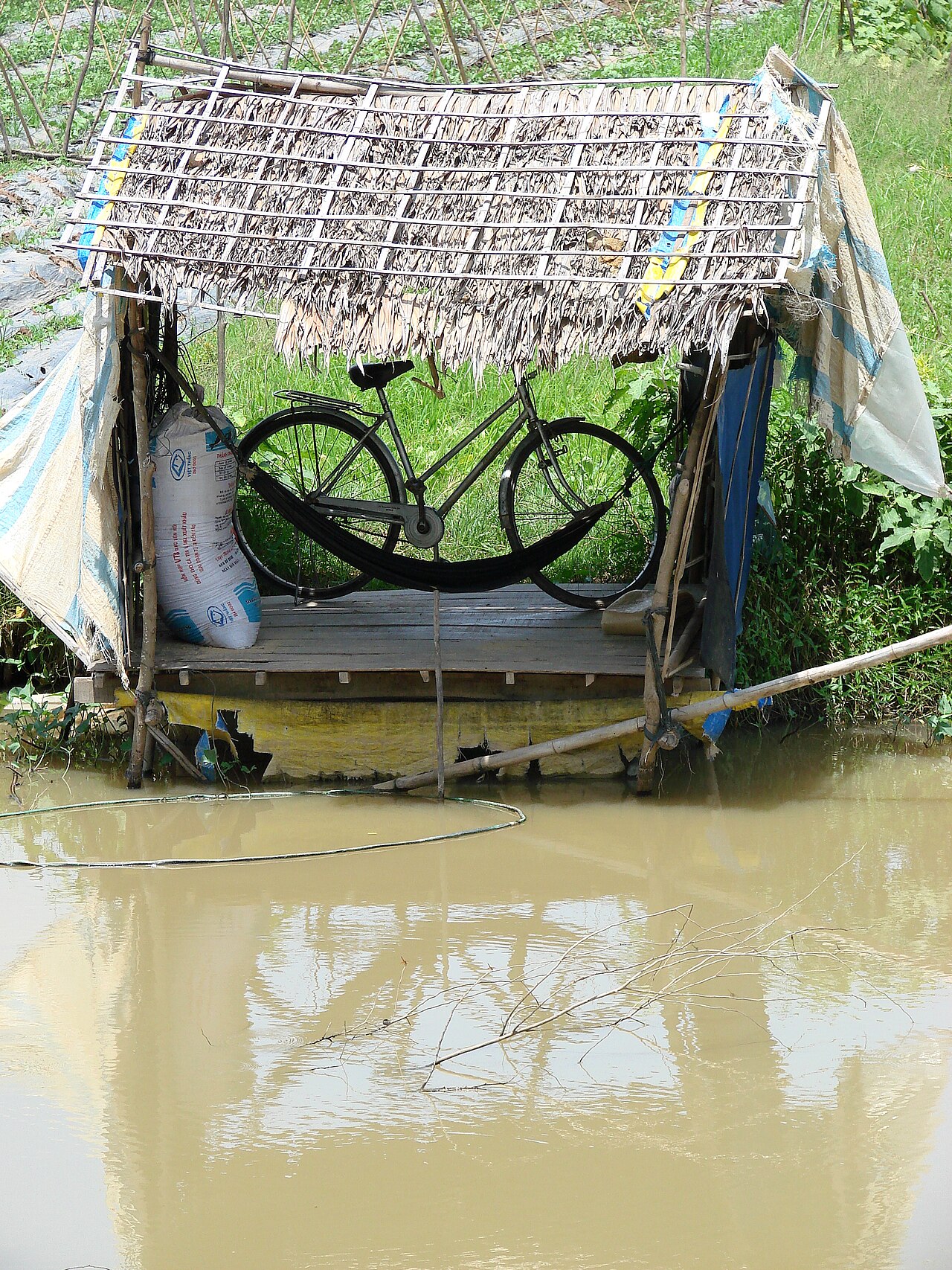
Photo: Adam Jones / Wikimedia Commons (CC BY-SA 3.0)
Source: CGIAR


Comments
(0)