

Breakfast does more than supply energy; it can affect blood sugar for hours afterwards, so people with diabetes should watch what they eat in the morning, says a piece on Amar Desh's health page. Carbohydrates need not be cut out entirely; what matters is choosing the right kinds, controlling portions and adding protein and fibre.
The US National Institute of Diabetes and Digestive and Kidney Diseases (NIDDK) recommends the 'plate method' for controlling portions and carbohydrates. A 9-inch plate is divided in three: half for non-starchy vegetables such as cucumber, tomato, bottle gourd, spinach, cauliflower or cabbage; a quarter for protein such as eggs, fish, skinless chicken, lentils or tofu; and a quarter for grains such as brown or wholegrain bread, oats or rice.
This makes portions easy to control and lowers the risk of eating too much carbohydrate at once. Fibre keeps you full longer and can slow the rise in blood sugar.
The article suggests simple breakfasts: a boiled egg with a slice of wholemeal bread and vegetables; unsweetened oats with yoghurt, a little whole fruit and nuts; unsweetened wholegrain cereal with milk; or wholegrain bread with an egg or a small amount of healthy fat. Foods high in sugar and refined carbohydrates are best limited, as they can raise blood sugar quickly.
How much each person needs depends on age, weight, physical activity, medication and blood sugar levels, the article notes.
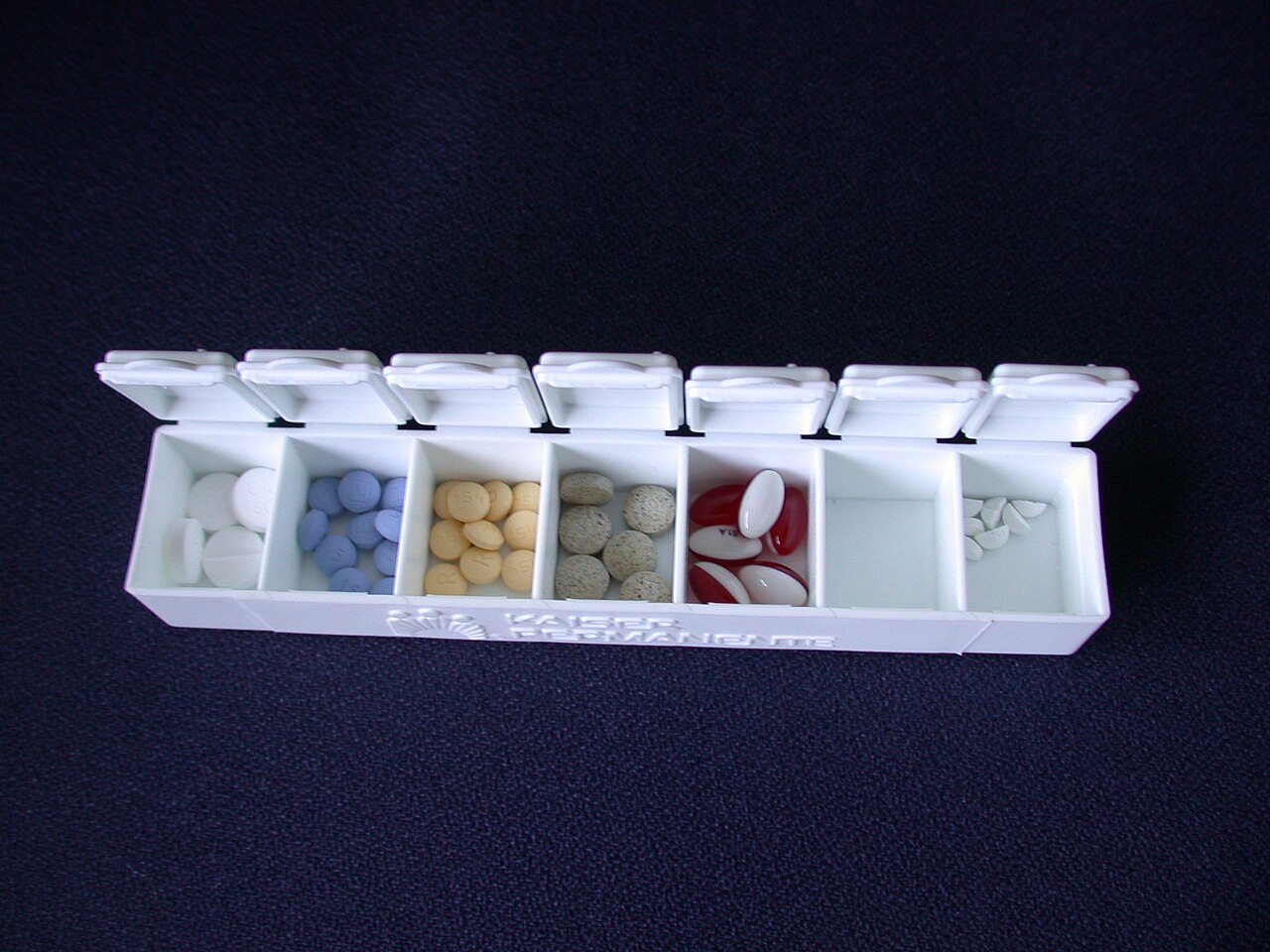
Photo: Ted O-Rama / Wikimedia Commons (CC BY 2.0)
Source: Amar Desh

Comments
(0)