
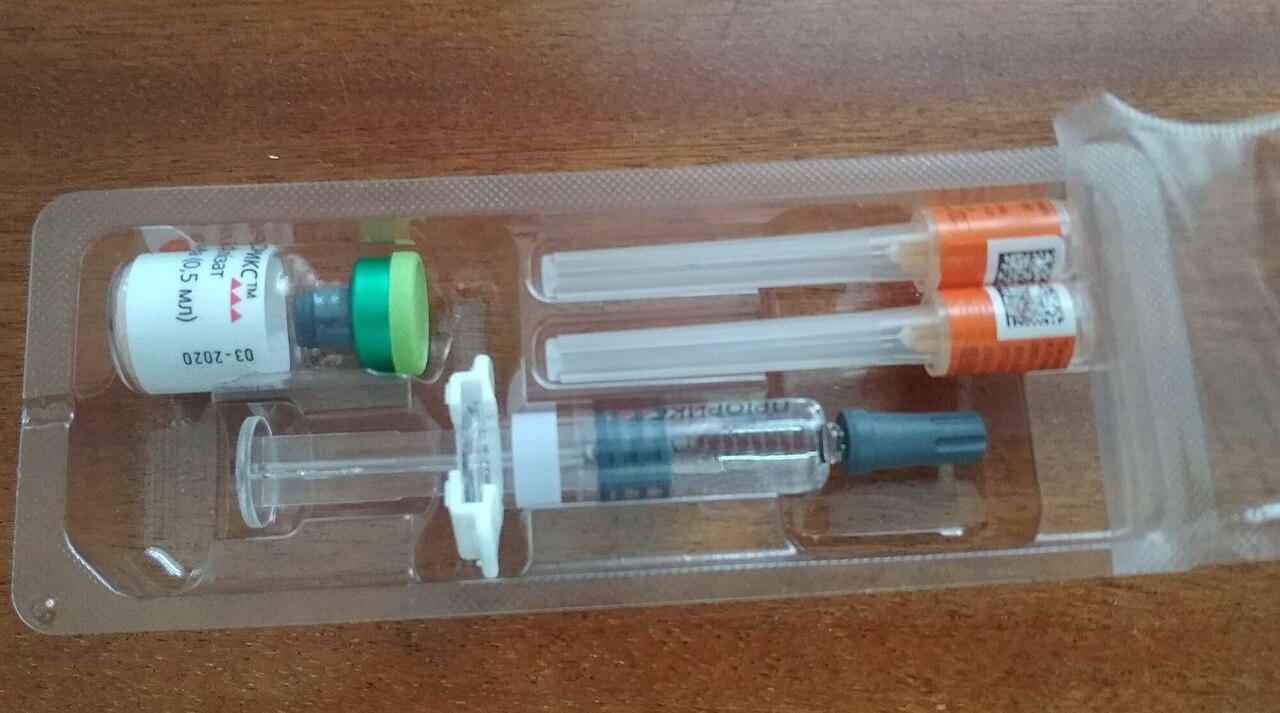
The United States has lost the measles elimination status it gained in 2000. An independent commission of experts that advises the director of the Pan American Health Organization (PAHO) took the decision because the same measles strain has been spreading in the country for a year, Samakal reported, citing CNN and The Wall Street Journal.
Under the international rule, a country where person-to-person transmission of one strain continues for at least a year is considered to have endemic measles; the chain is traced through the virus's genetic sequence. Scientists at Utah's public health laboratory reported in August that one strain spread there for more than a year, infecting more than 600 people between June 2025 and June 2026.
CNN reports more than 5,400 measles cases in the US so far this year, the most since 1991, with 43 new outbreaks. According to the Centers for Disease Control and Prevention (CDC), one in nine patients has needed hospital care, and states report at least ten deaths. Almost all of those infected had not received the MMR vaccine or had an unknown vaccination status.
Professor William Moss, a measles expert at the Johns Hopkins Bloomberg School of Public Health, said measles can wipe the immune system's memory, weakening protection built up against other infections and raising the risk of pneumonia and diarrhoea. A pregnant woman with measles can pass it to her unborn child. The CDC says two doses of MMR vaccine cut the risk of measles by 97 per cent.
Angela Rasmussen, a virologist at the University of Saskatchewan in Canada, said the Utah data alone were enough to show the status had been lost. Nuwan Gunawardhana, an epidemiologist at Columbia University, said the loss signals decades of public health progress slipping back.
Experts say the status can be regained by raising vaccination rates and restoring trust in vaccines. But Professor Moss said falling trust, more school vaccine exemptions and declining MMR coverage among children will make that hard.
Photo: Dctrzl / Wikimedia Commons (CC BY-SA 4.0)
Source: Samakal

Comments
(0)