
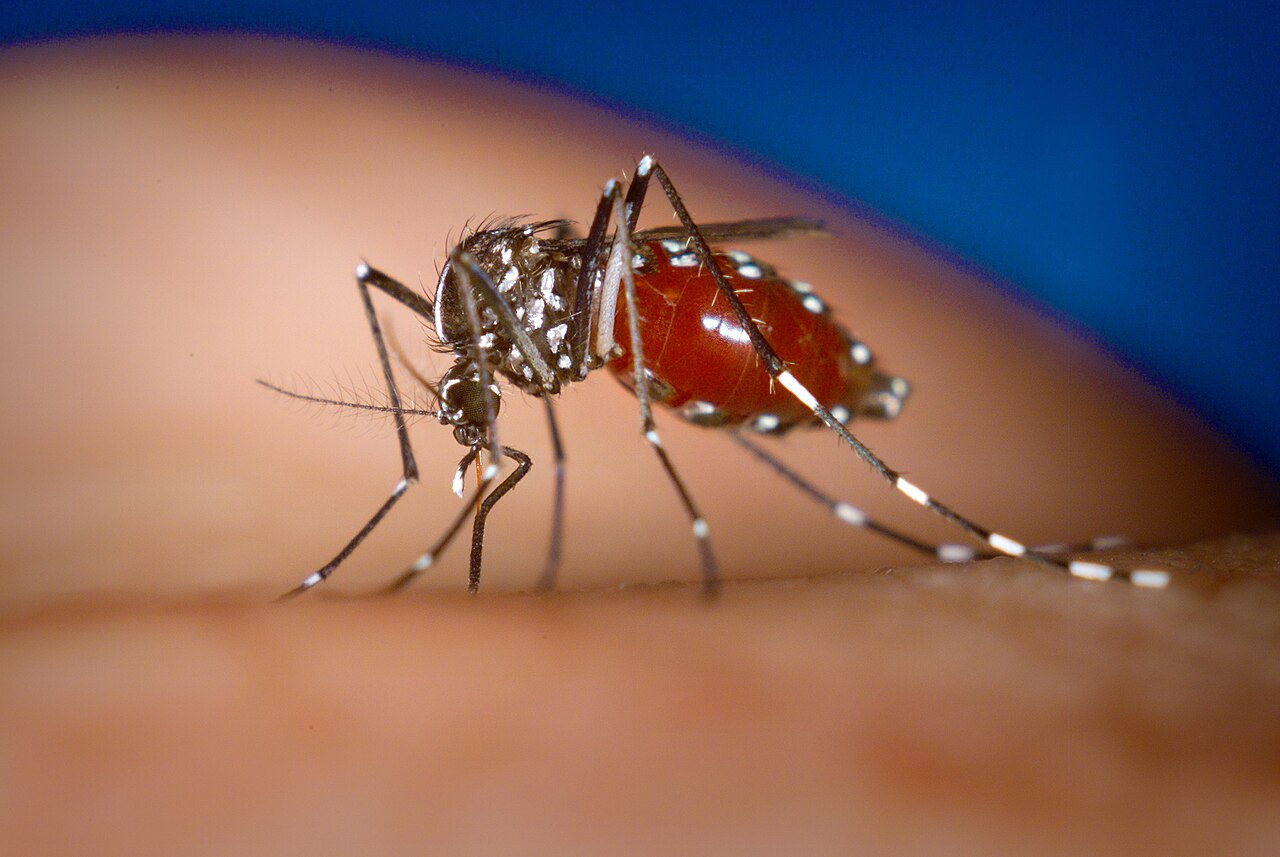
Dengue usually fades almost to nothing once the rains ease in October and November. This year, with November half gone, infections are not falling and people are still dying, with rural areas hit hardest. Entomologists and public-health experts warn that unless the spread of the Aedes mosquito is checked, dengue could persist more or less all year round.
Managers and doctors at Dhaka Medical College Hospital, Shaheed Suhrawardy, Mugda, Dhaka Shishu Hospital and six private hospitals told Ittefaq that more of their dengue patients come from villages, and that children make up the largest share. Hospitals are crowded with measles and dengue patients, and a shortage of ICU beds is disrupting care for other patients, including emergency operations. A scientist at icddr,b said Aedes breeding is denser in rural areas, which is why outbreaks there are worse.
Professor Md Golam Sarowar, head of entomology at the National Institute of Preventive and Social Medicine (NIPSOM), said rural areas are now the safest breeding ground for Aedes mosquitoes. Breeding falls off in cities in October and November but continues in villages, he said, and unless breeding sites there are found and cleared, dengue will be present all year and could eventually run out of control.
Dr Be-Nazir Ahmed, a public-health expert and former director at the Directorate General of Health Services, said Aedes breeding is not being stopped, which he called a failure; infections should fall in the cool season but are instead rising, and cases and deaths will climb further in villages, where dengue care is lacking. Dr Mushtuq Husain, former chief scientific officer of the Institute of Epidemiology, Disease Control and Research (IEDCR), advised stepping up clean-up work in rural areas and, where staff are short, training volunteers to help with mosquito control.
Professor Shafi Ahmed Muaz of Dhaka Shishu Hospital said more children with dengue are now going into shock, most of them from villages; such children cannot survive without ICU support, and there are too few ICU beds for the number of cases. Paediatrician Professor Abid Hossain Mollah said upazila hospitals can treat dengue and measles, and national dengue treatment guidelines are being finalised.
Dr Zakir, director of IEDCR, said two officials had visited Brazil to study the Wolbachia method, which uses mosquitoes to control mosquitoes, and steps are being taken to introduce it in Bangladesh. He said there are two kinds of Aedes mosquito, one slow-flying and one fast-flying, and the fast-flying one is more common in rural areas. Dr Provat Chandra Biswas, director general of health services, said dengue vaccination has begun in several countries and Bangladesh is discussing bringing in a vaccine, while mosquito control continues.
This report is based on reporting by Abul Khayer of Ittefaq.
Photo: James Gathany, CDC / Wikimedia Commons (public domain)
Source: Ittefaq


Comments
(0)