
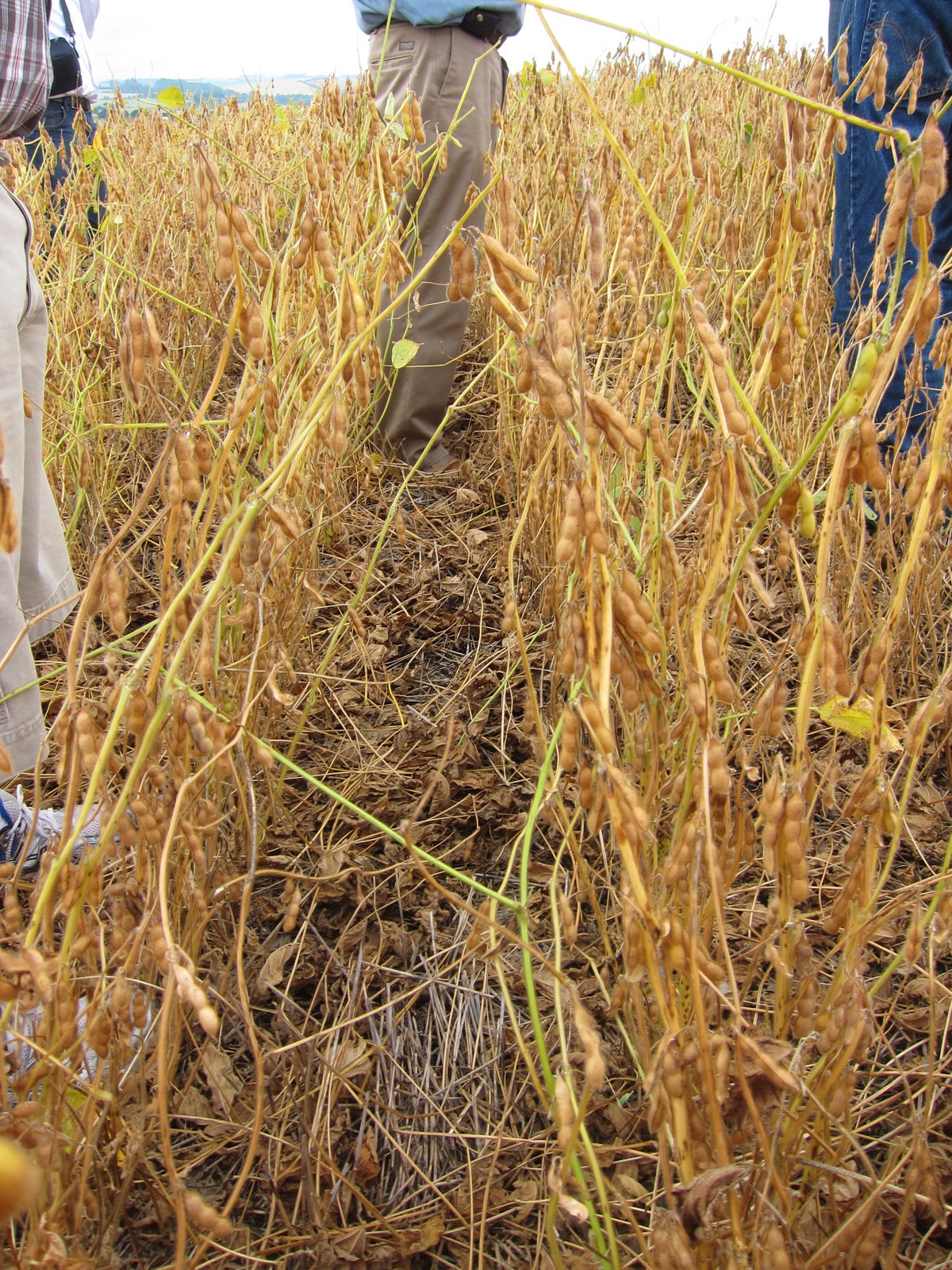
Brazil's capacity to crush soybeans rose 13% in 2026 from the year before, to 86.4 million metric tons a year, the oilseed industry association Abiove said on Tuesday, according to a Reuters report carried by The Poultry Site.
Abiove, whose members include ADM, Bunge and Cargill in Brazil, said the expansion reflects stronger demand for soybean oil, the main feedstock of the country's biodiesel industry, and for soybean meal, a key ingredient in animal feed. It forecasts that Brazil will crush a record 63.5 million tons of soybeans in 2026.
Processors have announced 7.7 billion reais ($1.5 billion) of investment to expand existing plants or build new ones, according to Abiove's annual report. Those projects, due to start within the next 12 months, should add 7.4 million tons a year of crushing capacity.
The number of soybean crushing plants operating in Brazil rose to 148 from 131. Idle plants fell to six from 12, and plants under construction declined to three from six.
More crushing at home means Brazil, the world's largest soybean producer, keeps more of its crop for its own feed and fuel industries rather than shipping raw beans. For livestock and poultry producers, the meal side of that expansion is a larger supply of the main protein in their rations.
Photo: Uaequals42 / Wikimedia Commons (CC BY-SA 3.0)
Source: The Poultry Site


Comments
(0)