
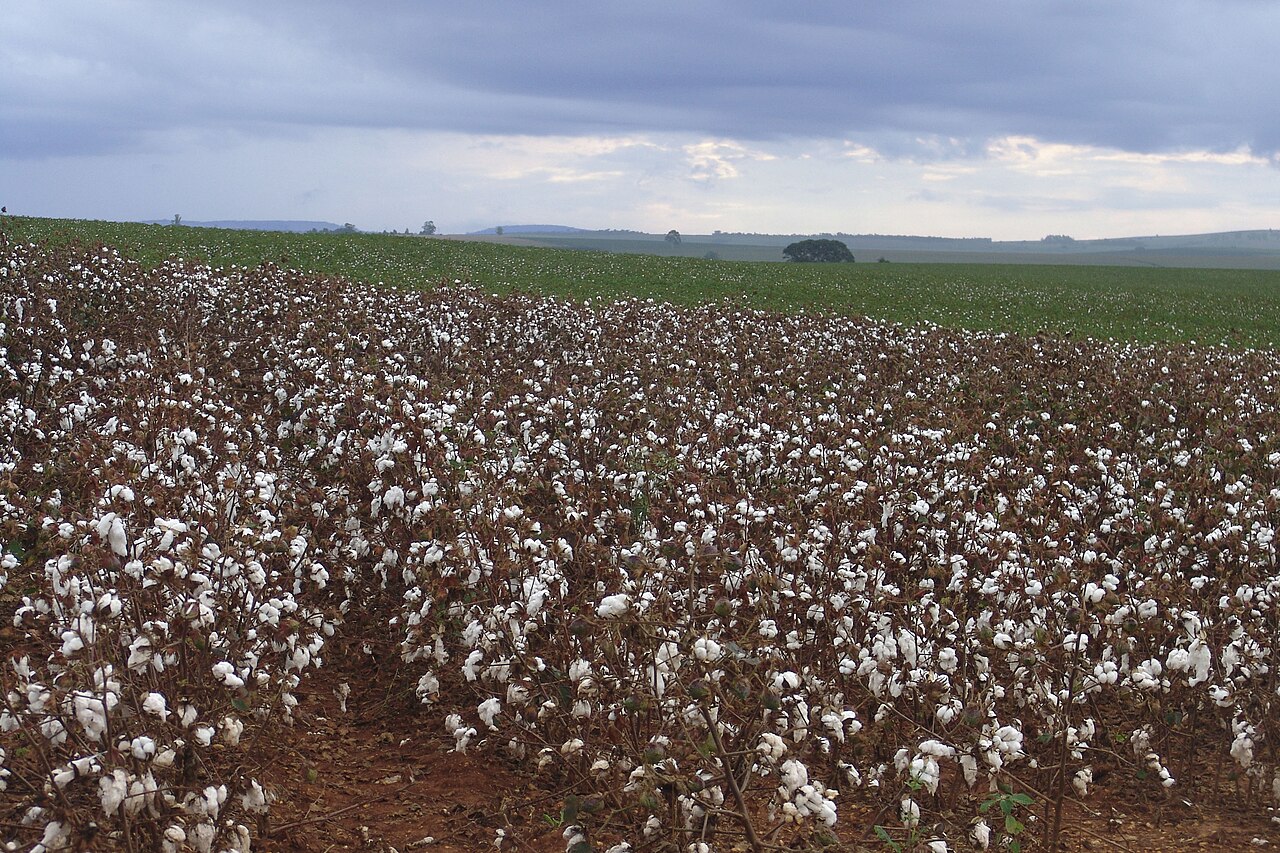
Brazilian cotton growers spent a record R$8.217 billion ($1.478 billion) on crop protection products in the 2025/26 season, 14% more in local currency than the season before, according to the FarmTrak Algodão 2025/26 survey by market research firm Kynetec, Global Agriculture reports. In dollars the rise was 10%, from $1.341 billion.
Growers applied an average of 107 treatments a season, up 13% from 95, and the average cost per treatment rose 21%, from R$3,472 to R$4,209. The potential treated area, which counts every pass over the same land, rose 6% to 209.07 million hectares from 196.31 million. Kynetec interviewed nearly 270 cotton farms representing 97% of Brazil's 1.952 million hectares of cotton.
Insecticides remained the largest cost, applied over 87.657 million hectares of potential treated area. Boll weevil (bicudo) control was the single heaviest item, averaging 18 treatments per property and about R$2 billion in spending. Caterpillar control came next at R$928 million, up 15% from R$795 million. Fungicides grew fastest of any category, which Kynetec analyst Felipe Lopes Abelha linked partly to growers switching to premium products.
The record came even as planted area in Mato Grosso, the leading cotton state, fell 8% to 1.376 million hectares from 1.502 million. Lower area in the main state alongside record national spending points to rising pest, disease and weed pressure per hectare, and the more intensive treatment and premium products needed to manage it, rather than demand driven by acreage.
Photo: José Reynaldo da Fonseca / Wikimedia Commons (CC BY 2.5)
Source: Global Agriculture

Comments
(0)