
Brazil's Secretariat of Agricultural Defense at the Ministry of Agriculture and Livestock (SDA/MAPA) is concentrating its regulatory work on the bioinputs law, Law No. 15,070/2024, even if that temporarily slows the implementing decree for the new Pesticides Law, Law No. 14,785/2023, Agricultural Defense Secretary Carlos Goulart told the input committee of the Brazilian Agribusiness Association (ABAG).
Goulart said the pesticides law is largely self-executing, so most of it already applies without a decree, while the lack of specific rules for bioinputs is a bigger obstacle for the industry in legal certainty, product registration and investment. The bioinputs decree is being coordinated by the Office of the Chief of Staff of the Presidency (Casa Civil), which is holding talks with government agencies and the private sector.
"Complicated and complex regulation does not mean rigorous assessment," Goulart said, pointing to options such as dual-purpose products, multiple registrations and procedures proportionate to risk. He stressed that the decree will not finish the job: the law's wide scope will need further rules on plant health, plant nutrition, animal feed and veterinary medicines, and until then biological products will be registered and imported under the rules of their existing categories.
Mauro Heringer, international relations director at the Brazilian Association of Bioinputs Industries (ABINBIO), called the decision a correct reading of "the sector's real bottleneck". He said new laws would achieve little unless federal and state agencies also modernise their procedures, and called for better information systems, digital tools and artificial intelligence to make decisions on registrations of biological and chemical inputs faster and more predictable, without lowering quality standards.
Heringer also urged companies to start testing their processes now ahead of the planned shutdown of the old import system in Brazil's Single Foreign Trade Portal (Siscomex) on 1 January 2027. Goulart said an update of Brazil's Plant Variety Protection Law, which turns 30 in 2027, depends on Congress and could move after the election period; the ministry has given the draft a favourable opinion with reservations.
For growers, the outcome will decide how quickly new biological products can be registered and sold in Brazil, a market in which, ABINBIO says, the country holds a prominent international position.
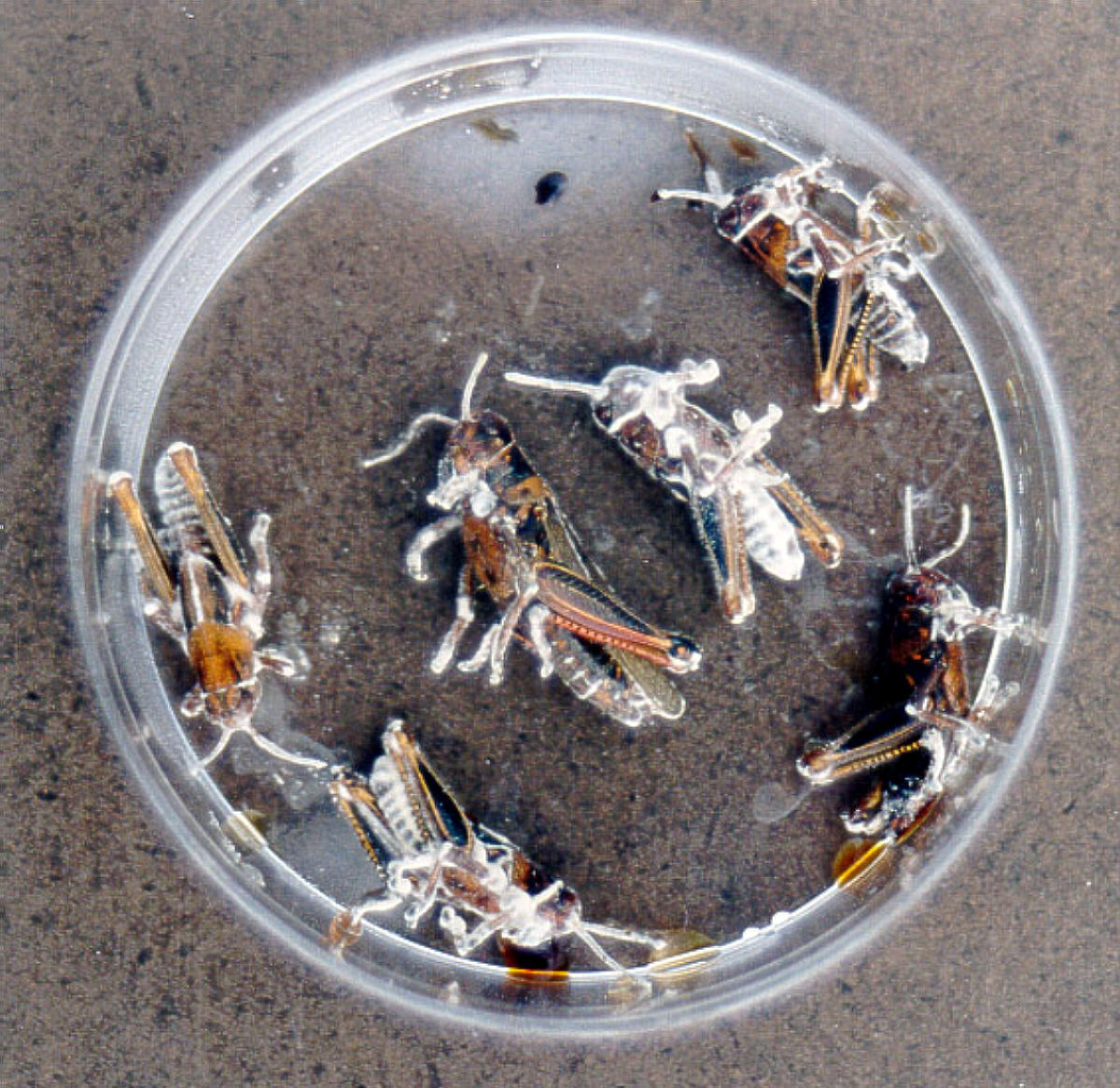
Photo: Stefan Jaronski / Wikimedia Commons (Public domain)
Source: Global Agriculture


Comments
(0)