
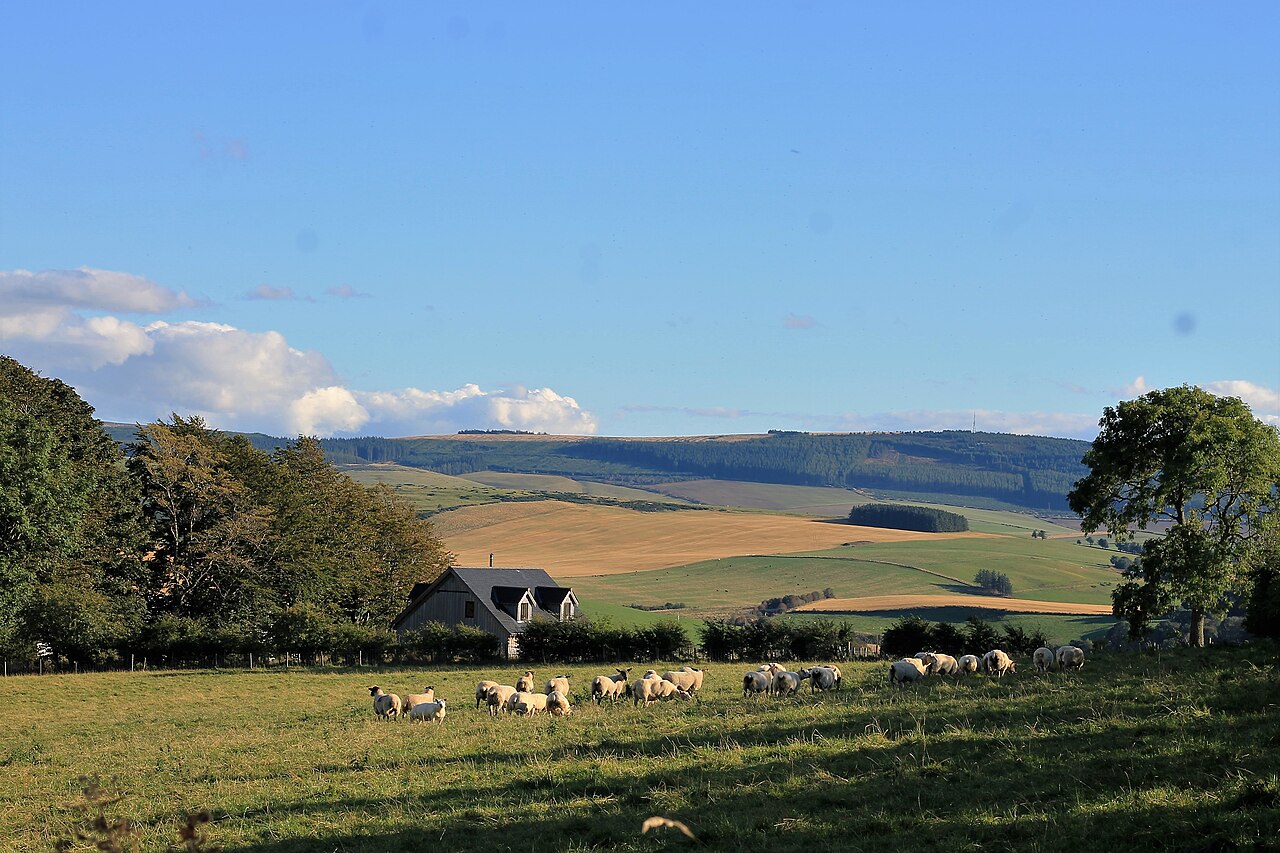
Bluetongue has reached Aberdeenshire, with Seafield Veterinary Group confirming a case in the county and urging farmers not to delay vaccination while temperatures stay above 12C and midges remain active.
The practice recommends vaccinating sheep, cattle, deer, camelids and goats, and says farmers who planned to wait until spring may want to bring vaccination forward. Latest Defra figures show 38 confirmed cases in Scotland this season, including two new cases on 26 September, one of them in Aberdeenshire.
Agriculture minister Jim Fairlie recently said there was a "very high likelihood" of cases in new parts of Scotland. Bluetongue is spread by biting midges; it poses no risk to human health or food safety but can cause heavy losses through deaths, lower fertility and milk yield, and movement restrictions. Farmers are advised to watch for signs of disease and talk to their vet about vaccination. The report was written by John Sleigh.
Photo: Andrew Wood / Wikimedia Commons (CC BY-SA 2.0)
Source: The Scottish Farmer
Comments
(0)