
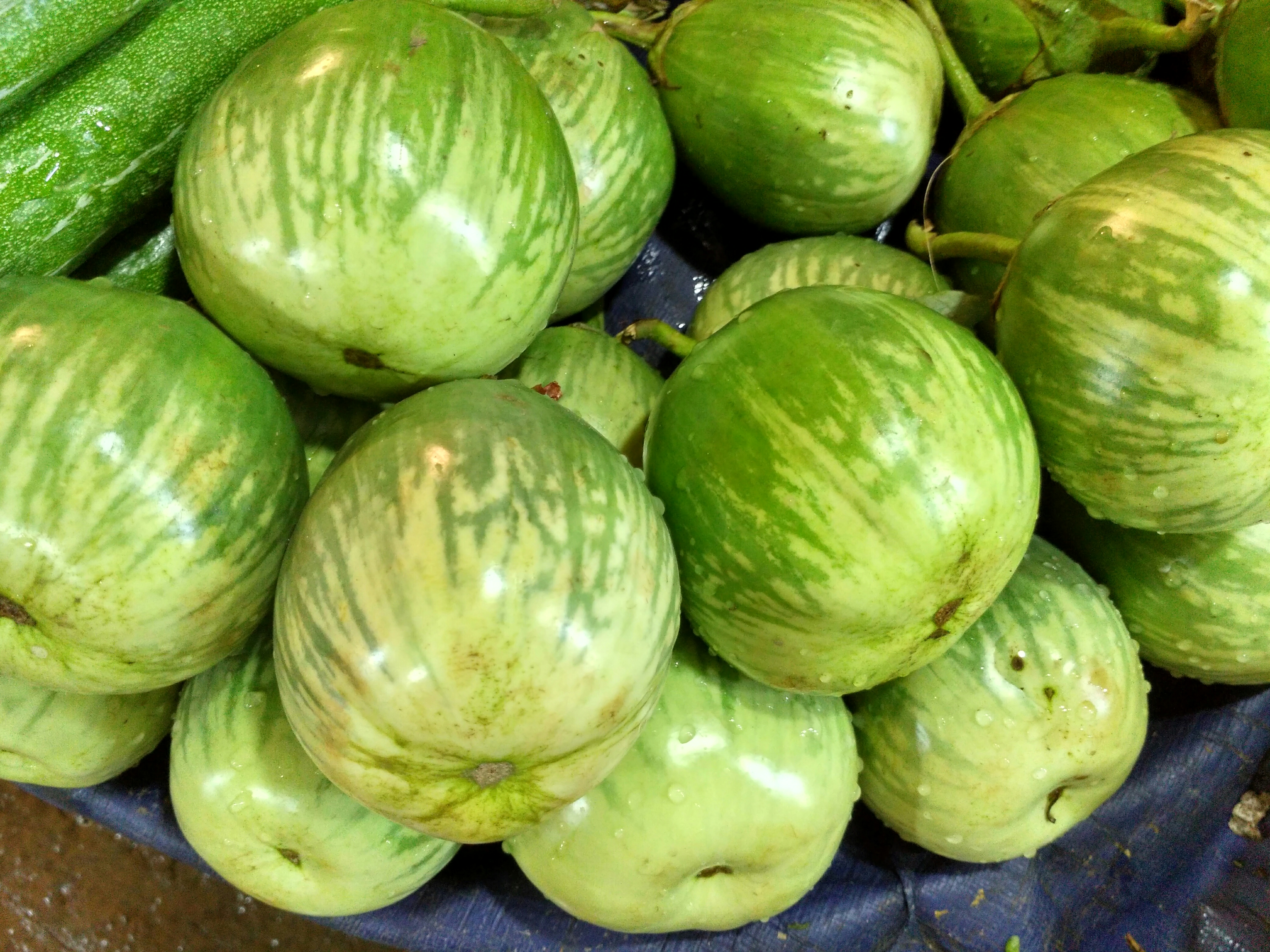
Aubergine, or brinjal, turns up in most Bangladeshi kitchens, from simple fried slices to all kinds of curries. To break the routine, the lifestyle desk of Jagonews24 published an easy recipe for begun dolma on 24 October 2021. Fried aubergine is cooked down in yoghurt and spices, simmered with tamarind pulp and finished with a tempering of panch phoron. The ingredients and steps of that recipe are set out below.
Brinjal in Bangladesh
The aubergine (Solanum melongena) belongs to the nightshade family, Solanaceae. According to Wikipedia, raw aubergine is 92% water, 6% carbohydrates and 1% protein, with negligible fat, and has 3 g of dietary fibre per 100 g.
A study published in Frontiers in Bioengineering and Biotechnology in 2020 describes brinjal as the second most important vegetable grown in Bangladesh. In 2018 about 150,000 farmers grew it on 50,955 hectares and harvested 507,000 tonnes. Its main enemy is the eggplant fruit and shoot borer, which causes 30 to 60% yield loss even when the crop is sprayed often. In October 2013 Bangladesh's National Committee on Biosafety approved Bt brinjal developed by the Bangladesh Agricultural Research Institute (BARI), and four varieties, BARI Bt Begun-1 to 4, were released.
Ingredients
- Fried aubergine: half a kilogram
- Mustard oil: one cup
- Fried onion (beresta): half a cup
- Onion paste: one tablespoon
- Yoghurt: one cup
- Ginger paste: one teaspoon
- Garlic paste: one teaspoon
- Chilli powder: one teaspoon
- Turmeric powder: half a teaspoon
- Salt: to taste
- Water: as needed
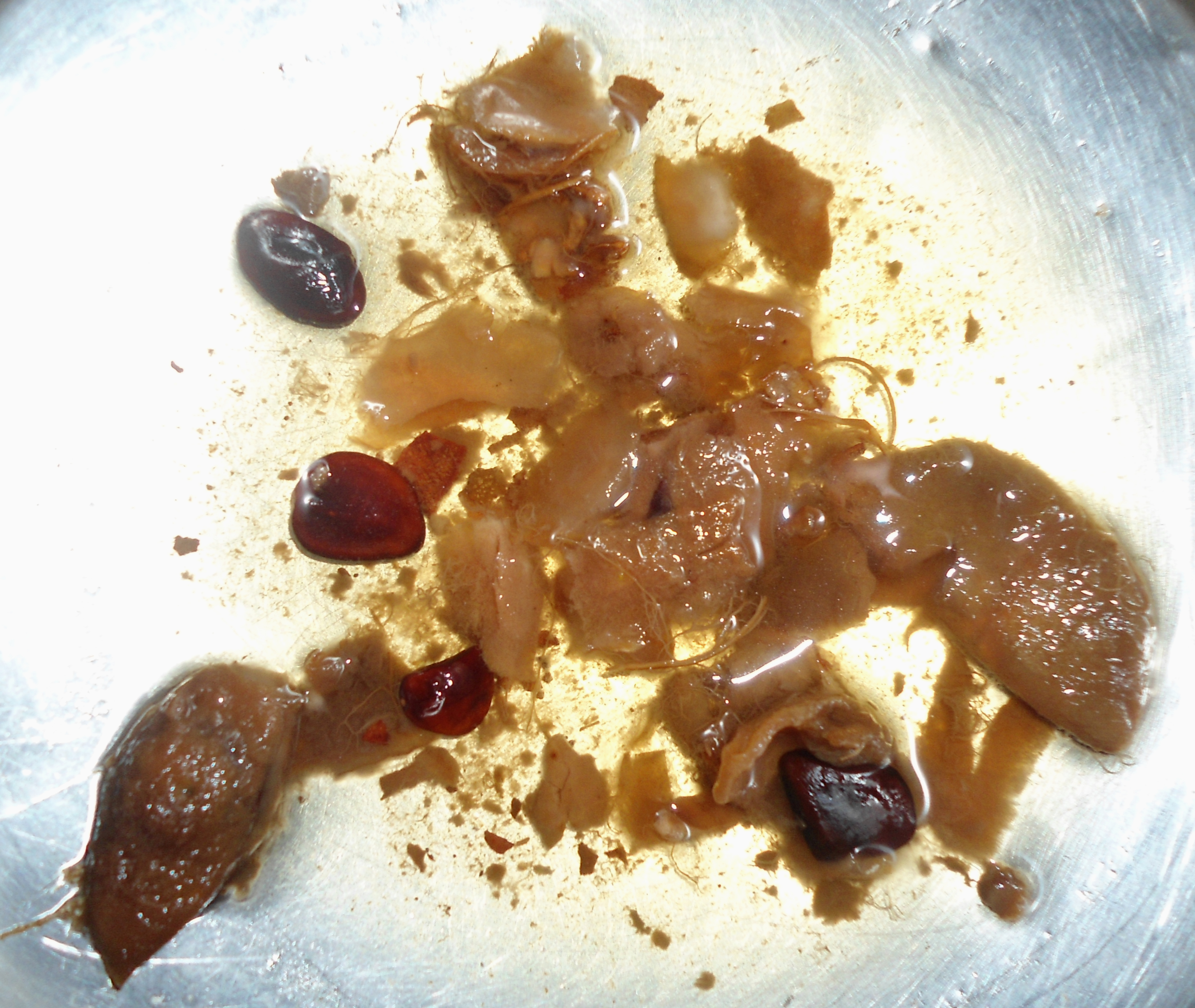
- Tamarind pulp: one cup
- Sugar: one teaspoon
- Panch phoron: half a teaspoon
- Roasted cumin powder: used in the method; the original recipe gives no quantity
Method
- Heat oil in a frying pan. Add the fried onion, onion paste, yoghurt, ginger paste, garlic paste, turmeric powder, chilli powder, salt and water one by one, and cook the spices down well.
- Add the fried aubergine, tamarind pulp, sugar, fried onion and roasted cumin powder to the spice mixture and cook.
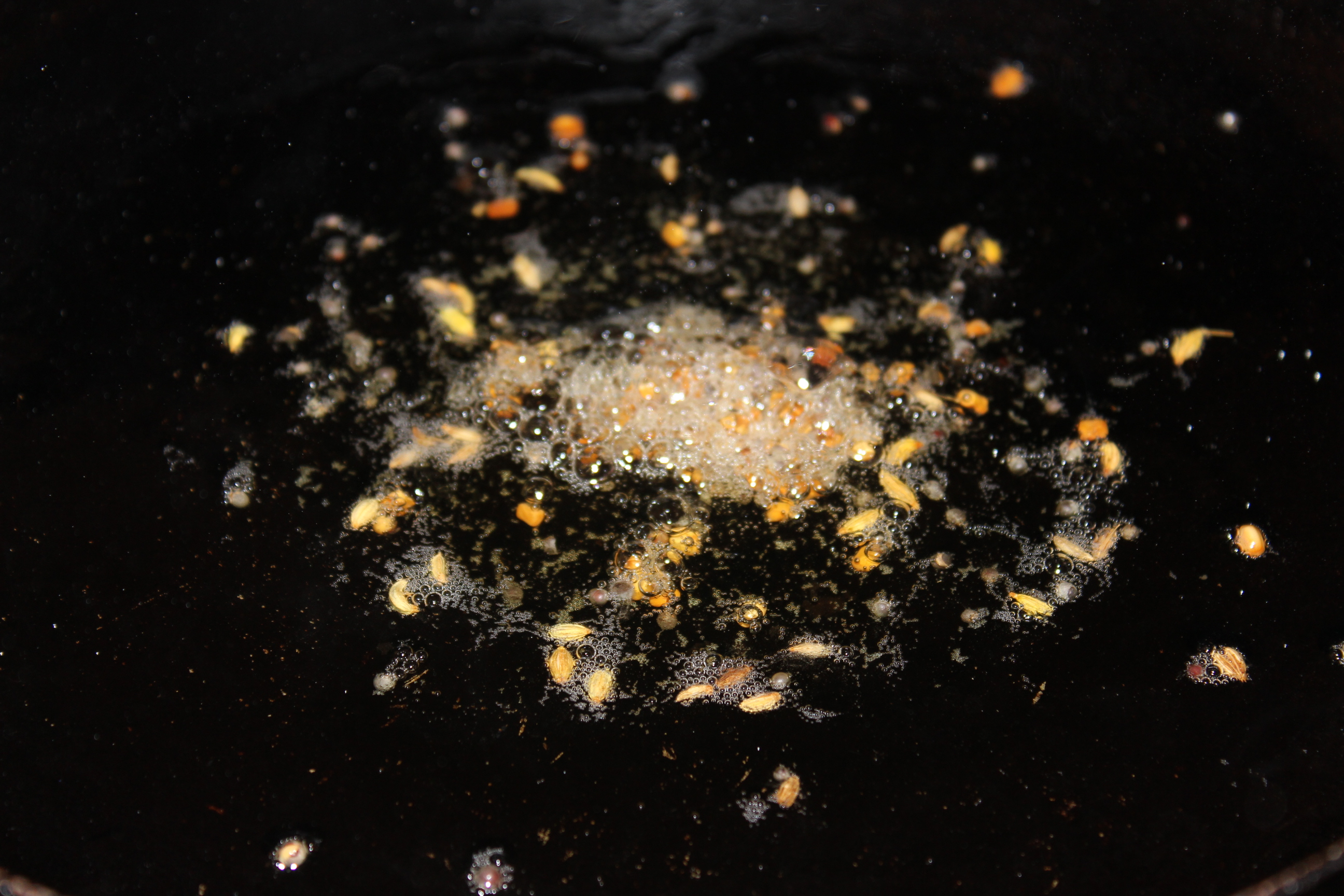
- On another burner, heat a pan and add mustard oil. Fry the panch phoron in the hot oil, then add the cooked aubergine to it.
- Cover and cook for at least five minutes. Take it off the heat and serve with rice or roti.
What panch phoron is
The final step takes its flavour from panch phoron, whose name means "five spices". Wikipedia describes it as a whole spice blend that originated in Bangladesh and eastern India, usually made of fenugreek, cumin, nigella, black mustard and fennel seeds in equal parts; wild celery seed (radhuni) sometimes replaces the mustard. Unlike most spice mixes it is always used whole. The seeds are heated in hot oil to release their flavour before the other ingredients go in, which is exactly what this recipe does with mustard oil before the aubergine is added. Besides Bangladesh, the blend is used in the cooking of West Bengal, Odisha, Assam and Nepal.
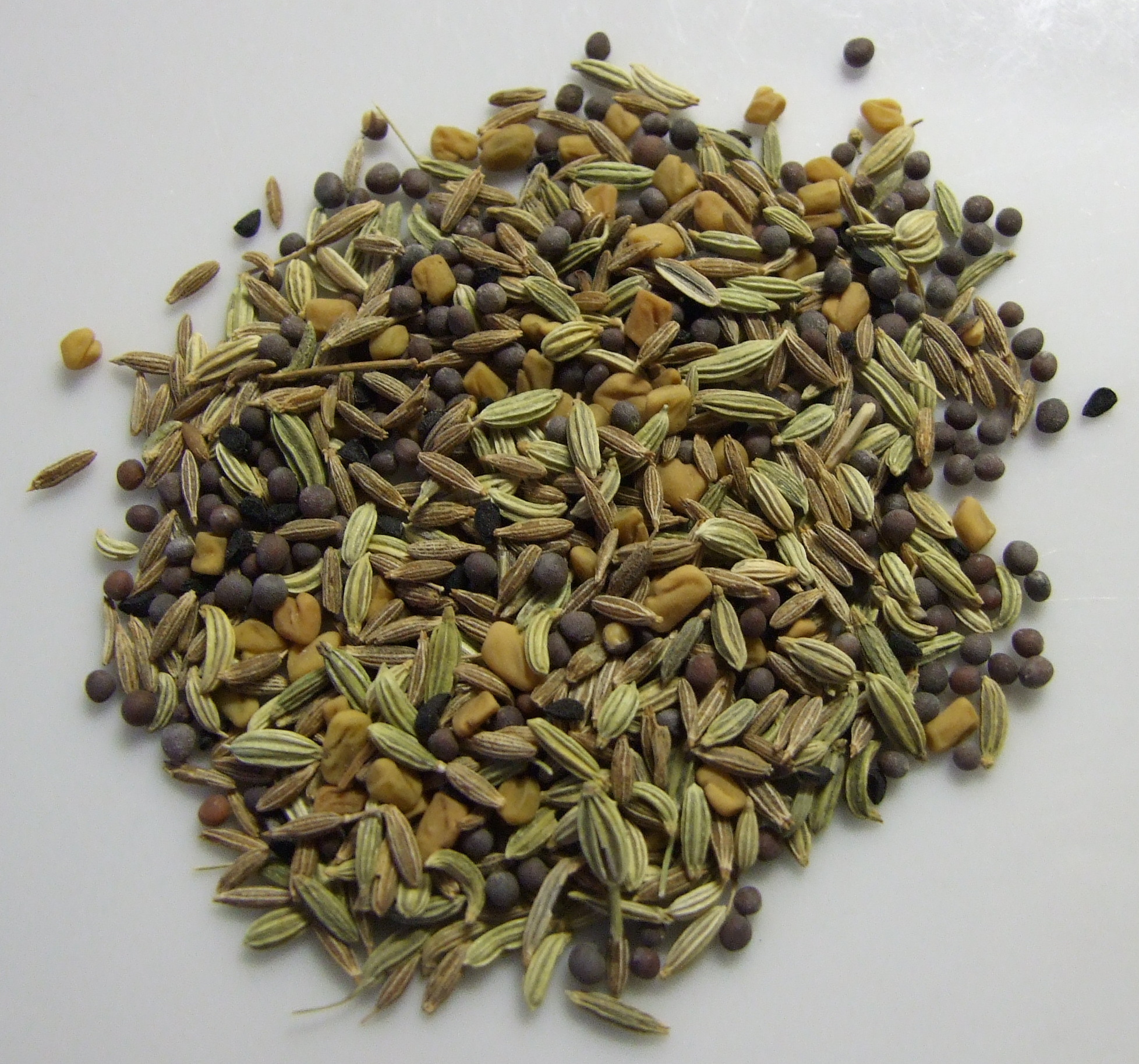
Photo: Salim_Khandoker / Wikimedia Commons (CC BY-SA 3.0)
Sources: Jagonews24, Frontiers in Bioengineering and Biotechnology (Shelton et al., 2020), Wikipedia


Comments
(0)