
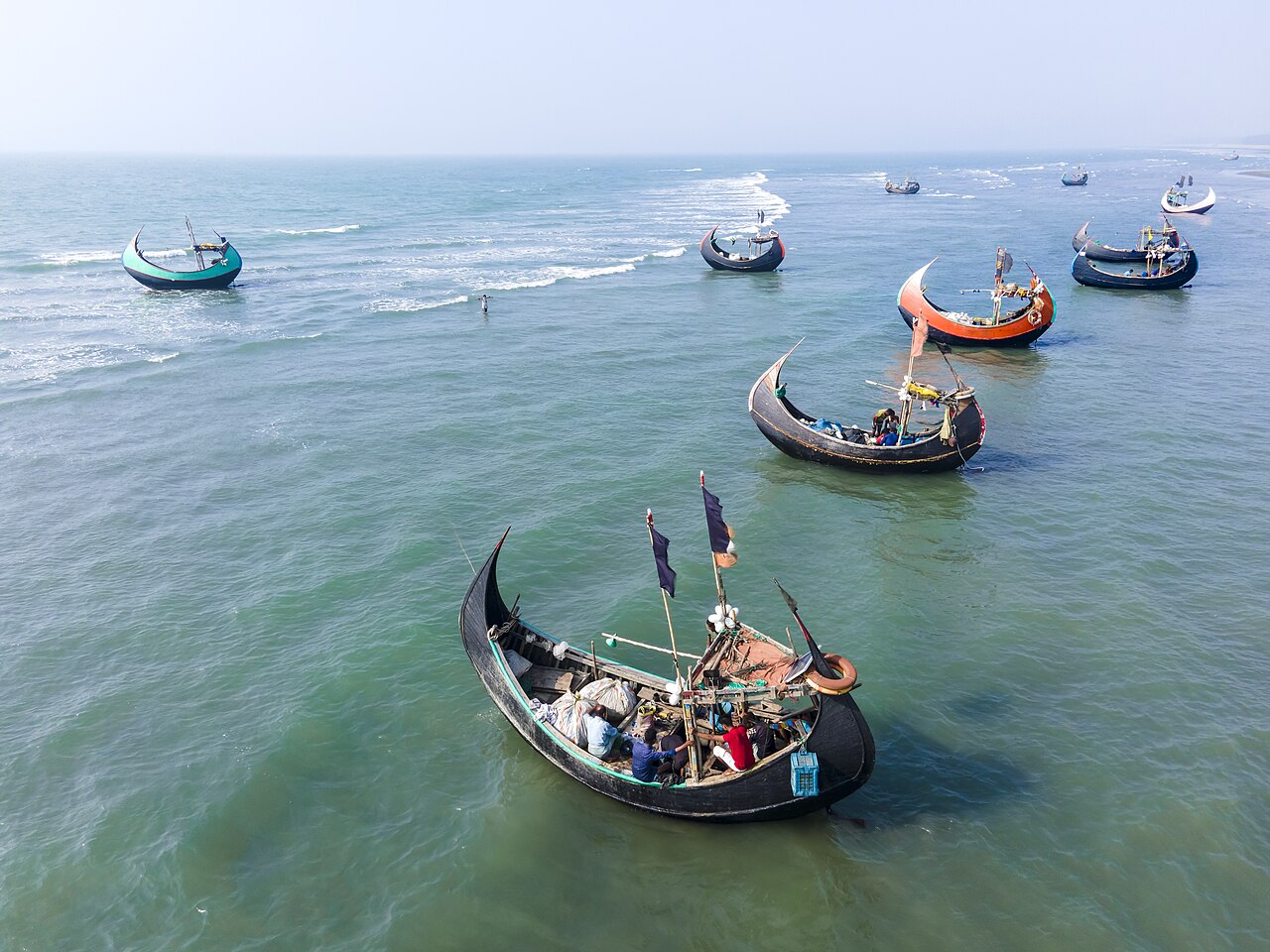
Bangladesh's fish output has reached record levels, but most of the people who catch fish on its rivers and at sea work without written contracts, fixed wages or social protection. That was the message of a national dialogue held by the Bangladesh Institute of Labour Studies (BILS) and Friedrich-Ebert-Stiftung (FES) Bangladesh at a Dhaka hotel on Monday, 26 October.
The keynote paper, presented by BILS senior officer Rezwanul Haque Azam at the dialogue on decent work in the fisheries sector, named six priorities: legal recognition, registration of workers, better working conditions, social protection, representation, and the protection of livelihoods and the environment.
Speakers said that when fishing bans stop their income, workers are forced to rely on dadon advances and loans. Naimul Ahsan Jewel, who chaired the dialogue and convenes the National Fishing Workers Trade Union Forum, said the workers bring in the catch but a large share of the money goes to dadon lenders, leaving the workers caught in debt.
BILS executive director Syed Sultan Uddin Ahmmed called for workers to be issued identity cards and brought under social protection. Shahidullah Badal, general secretary of the Bangladesh Mukto Sramik Federation, proposed organising the workers first, building a database of them, and paying those hurt in accidents from the workers' welfare fund.
S M Zakir Hossain, joint convener of the National Fishing Workers Rights Forum, said women in the sector get no maternity benefits, many workers suffer skin diseases without health cover, and trawlers that go to sea carry no first aid. Coastal researcher Shafiqul Islam Khokon and Mizanur Rahman Bahadur, adviser to the Cox's Bazar district fishing boat workers' union, said there is no official list of fishermen missing at sea and wages are still agreed by word of mouth.
Mahmudul Islam Khan, senior programme officer at the International Labour Organization (ILO), urged that laws and policies be explained to workers in plain terms and that policy be made with every stakeholder. Pulak Ranjan Dhar of the BILS executive council raised the kidnapping of workers by pirates for ransom.
The organisers said the fisheries sector contributes heavily to the economy, food security and jobs, yet its workers face informal hiring and occupational risk; identifying the policy and institutional changes needed was the aim of the dialogue.
Reported by Banglanews24's senior correspondent.
Photo: Fishermen in small boats near Inani beach, Cox's Bazar, Muhammad Amdad Hossain / Wikimedia Commons (CC BY-SA 4.0)
Source: Banglanews24



Comments
(0)