
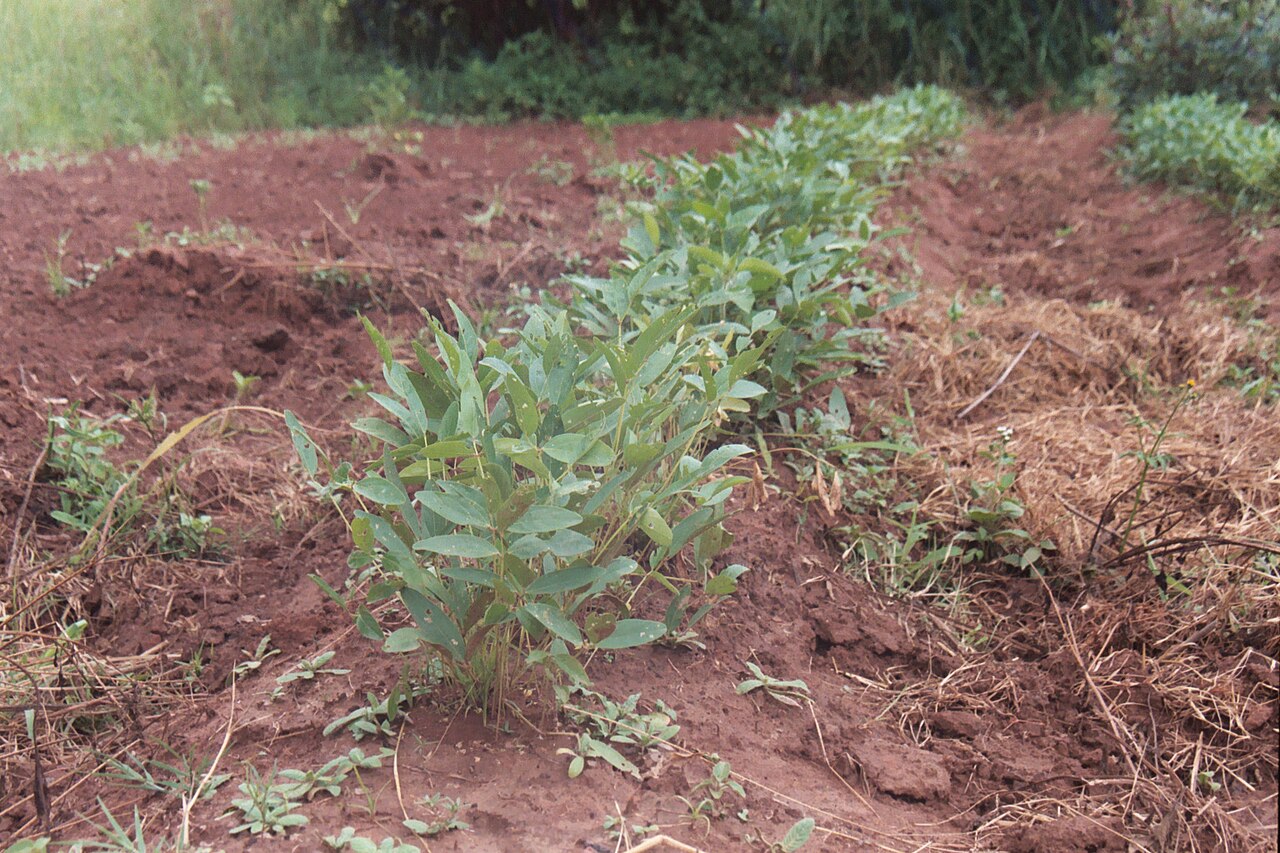
Researchers have mapped where bambara groundnut, a drought-tolerant legume native to Africa, can be grown reliably in South Africa and Eswatini, and when it should be planted, in a study described for Down To Earth by Richard Kunz of the University of KwaZulu-Natal and Tafadzwanashe Mabhaudhi of the London School of Hygiene & Tropical Medicine. The article is republished from The Conversation.
Bambara groundnut belongs to the bean and pea family; its seeds form in pods underground like peanuts, and it is boiled, roasted or ground into flour. It was widely grown in Africa in the 1800s and early 1900s but today is grown mainly by smallholders. Like amaranth, cowpea, sorghum, sweet potato and taro, it copes well with drought and supplies protein, fibre, iron, zinc and calcium.
Most suitability maps use long-term rainfall and temperature averages. This study instead used AquaCrop, a crop-growth model developed by the UN Food and Agriculture Organization, to simulate daily weather across the crop's six-month season in 5,838 regions over up to 50 seasons, testing four planting months. October came out as generally the best month for rainfed bambara; later planting meant more crops lost to frost at the end of the season. Taking frost into account cut the area suitable for October planting by 28%, and excluding land used for mining, towns, commercial forestry, sugarcane and fruit trees cut it by another 20%.
The authors say this is why a map that says "bambara groundnut can grow here" can mislead: where a crop can grow and where it reliably yields a harvest are different things. They want extension officers to have such maps for advising smallholders, and note that in July 2025 indigenous crops were formally declared agricultural products under South Africa's Marketing of Agricultural Products Act, which could open markets for small growers.
With southern Africa facing a higher drought risk in 2026 because of the super El Niño, the authors say government and extension services must support farmers, and the private sector build reliable markets, if the crop is to spread.
Photo: Kkibumba / Wikimedia Commons (public domain)
Source: Down To Earth

Comments
(0)