
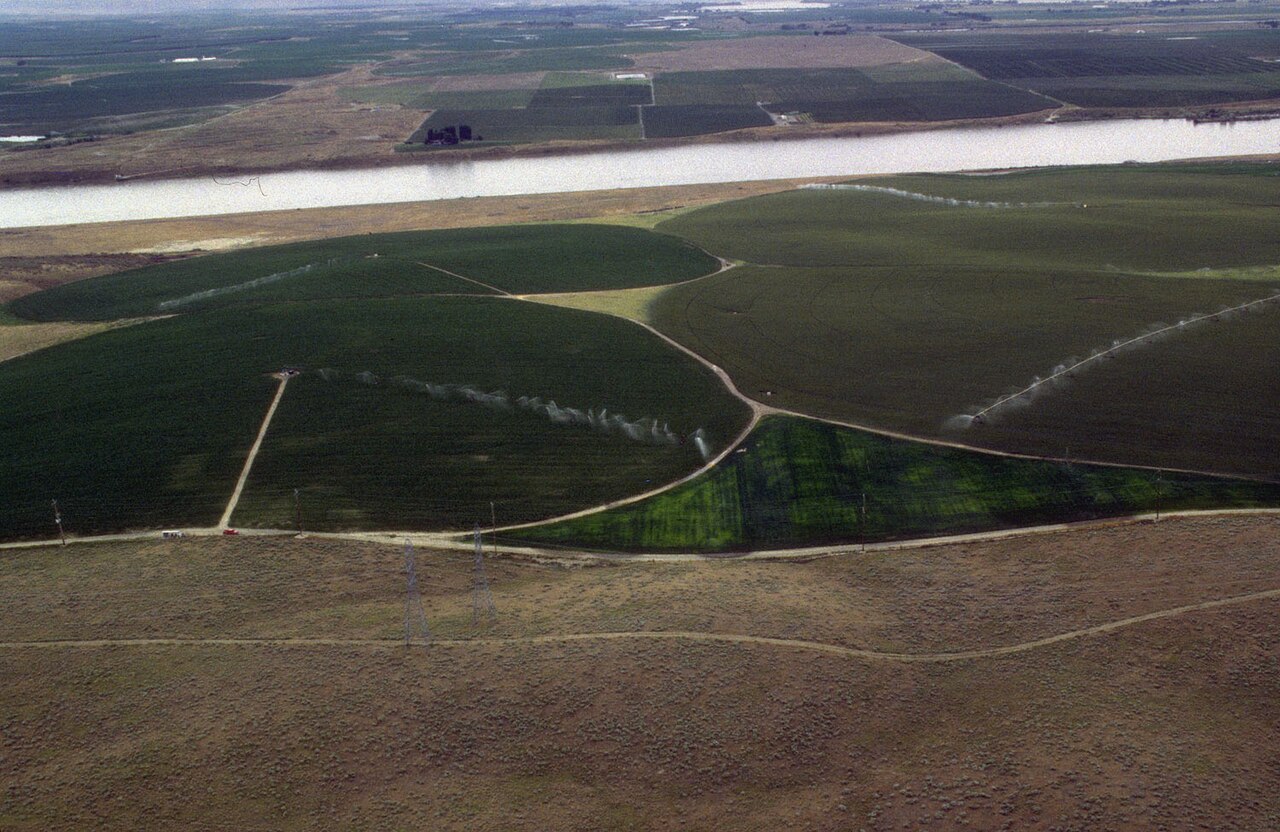
A centre-pivot irrigator crosses every part of a field again and again, yet tells the farmer almost nothing about the crop. Autonomous Pivot is building a system that changes that, turning the pivot into a moving monitoring platform that tracks soil moisture, crop health and field conditions in real time.
"Nothing is in the field more than the pivot, and yet most of them tell you very little, if anything at all, about the crop," said Daniel Jenkins, the company's vice president of sales.
The equipment combines a camera, ground-penetrating radar, GPS, a tipping-bucket rain gauge and irrigation data. The camera takes wide and close-up images as often as every five minutes, which can show emergence, growth stage, pests, disease, damage and nutrient deficiency. The radar measures soil moisture without disturbing the ground, and GPS ties every reading to the pivot's position.
At its core is automated water-balance monitoring: using the soil's water-holding capacity, the water applied and field measurements, the system tracks how moisture changes across the field. An app splits the field into eight sections and shows, from one revolution to the next, which areas are gaining, holding or losing moisture. "We're able to get hundreds of points of data from all around the field," Jenkins said.
In the 2026 season the system was installed at EMILI's Innovation Farms MacGregor site in Manitoba, Canada, where EMILI is assessing how well it reads field conditions, improves irrigation efficiency and spots early pest and disease problems.
The aim is to use equipment farmers already own to help them apply water more efficiently and act on crop problems sooner, without relying only on fixed soil sensors.
Photo: Bob Heims, U.S. Army Corps of Engineers / Wikimedia Commons (public domain)
Source: Farms.com
Comments
(0)