
Australian and Chinese red meat industry bodies have signed a memorandum of understanding to keep working together, after a week-long Australian industry visit to China, Beef Central reported.
The MoU was signed by the China Meat Association (CMA), the Australian Meat Industry Council (AMIC) and Meat & Livestock Australia (MLA) at the close of the first Australia-China Livestock and Red Meat Industry Cooperation Forum, which drew more than 120 industry representatives. The visit is part of the Australia-China Livestock and Red Meat Industry Cooperation Program, led by MLA and AMIC with support from the National Foundation for Australia-China Relations, and follows a Chinese delegation's recent visit to Australia.
Hosted by the CMA and China's National Animal Husbandry Service, the Australian group travelled to Beijing, Inner Mongolia and Shandong province. It visited cattle and sheep breeding operations, livestock trading centres, feedlots, processing plants, cold stores and distribution networks. Sheep Producers Australia, the Australian Lot Feeders Association, Cattle Australia and the Australian Meat Processor Corporation also backed the programme.
"This program highlighted that while our industries operate in different environments, we share many of the same opportunities and challenges around productivity, sustainability, food security and meeting evolving consumer expectations," said MLA managing director Michael Crowley. He said the aim was to build industry-to-industry relationships that support knowledge sharing and cooperation.
China is one of the largest buyers of Australian beef and sheep meat, and the programme is meant to encourage technical exchange and find opportunities that support the long-term sustainability of both countries' red meat sectors.
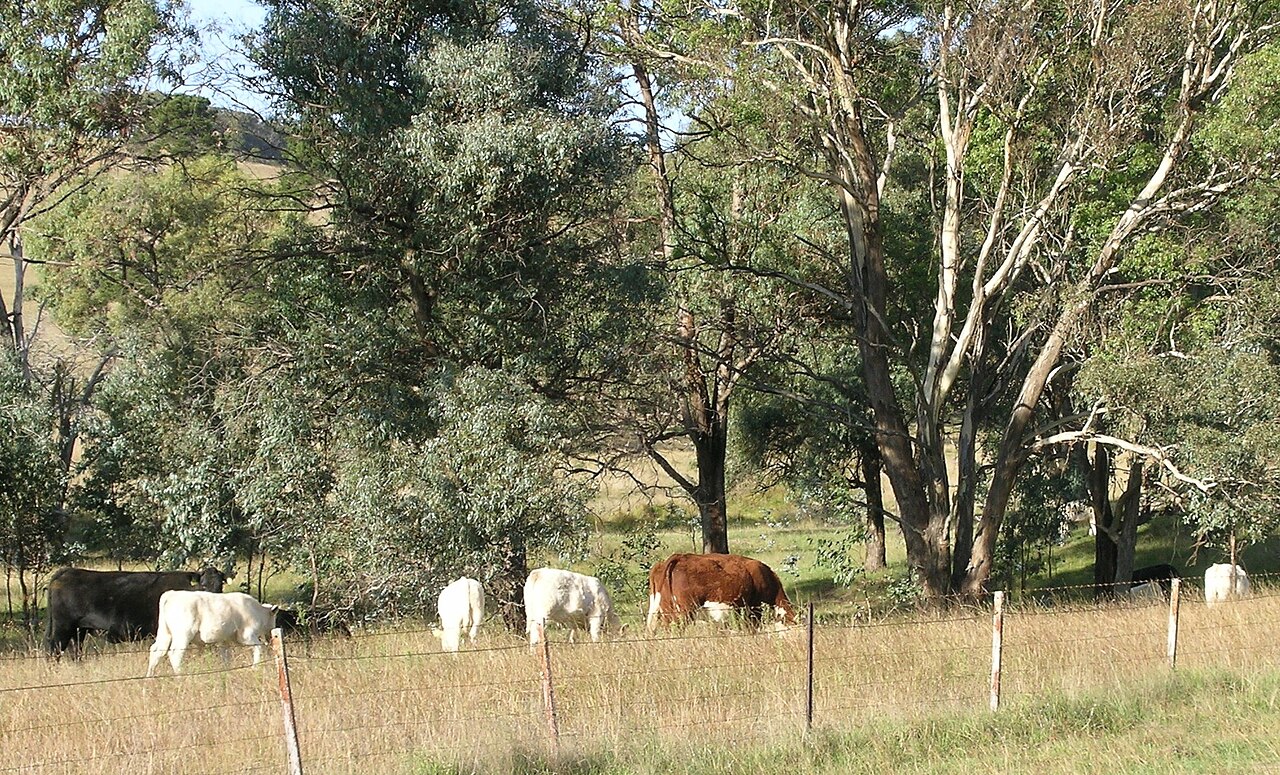
Photo: Cgoodwin / Wikimedia Commons (CC BY-SA 3.0)
Source: Beef Central
Comments
(0)