
Pesticides are the most urgent source of toxic exposure in Asia, according to a new report, and cutting their use must not put farmers' yields and incomes at risk, its author told AgNavigator. Silent Threats, Global Stakes: Regional Solutions for Toxicity in Asia was published by ID Capital with support from Deep Science Ventures and the Grantham Foundation.
The report says Asian pesticide use is marked by high application rates, reliance on legacy or highly hazardous active ingredients and uneven enforcement, which raises the risk of residues building up in livestock and aquaculture. Isabelle Decitre, founder of ID Capital, called for a shift to integrated pest management with biopesticides among the main tools, but said: "There is, unfortunately, no silver bullet for this." Precision spraying and precision farming, she said, already cut unnecessary use even with conventional chemistry.
Farmers value predictability, and biologicals often act more slowly and need new practices, so farmers carry most of the risk of switching, Decitre said. She described two models that help: suppliers paid on measured outcomes such as higher yields or lower costs, and a staged switch that starts by replacing a small share of chemical inputs. Bans without substitutes fail, she added, citing Europe's suspended neonicotinoid ban. "Banning is the end point, but if you don't provide a better solution, you're just making farmers poor."
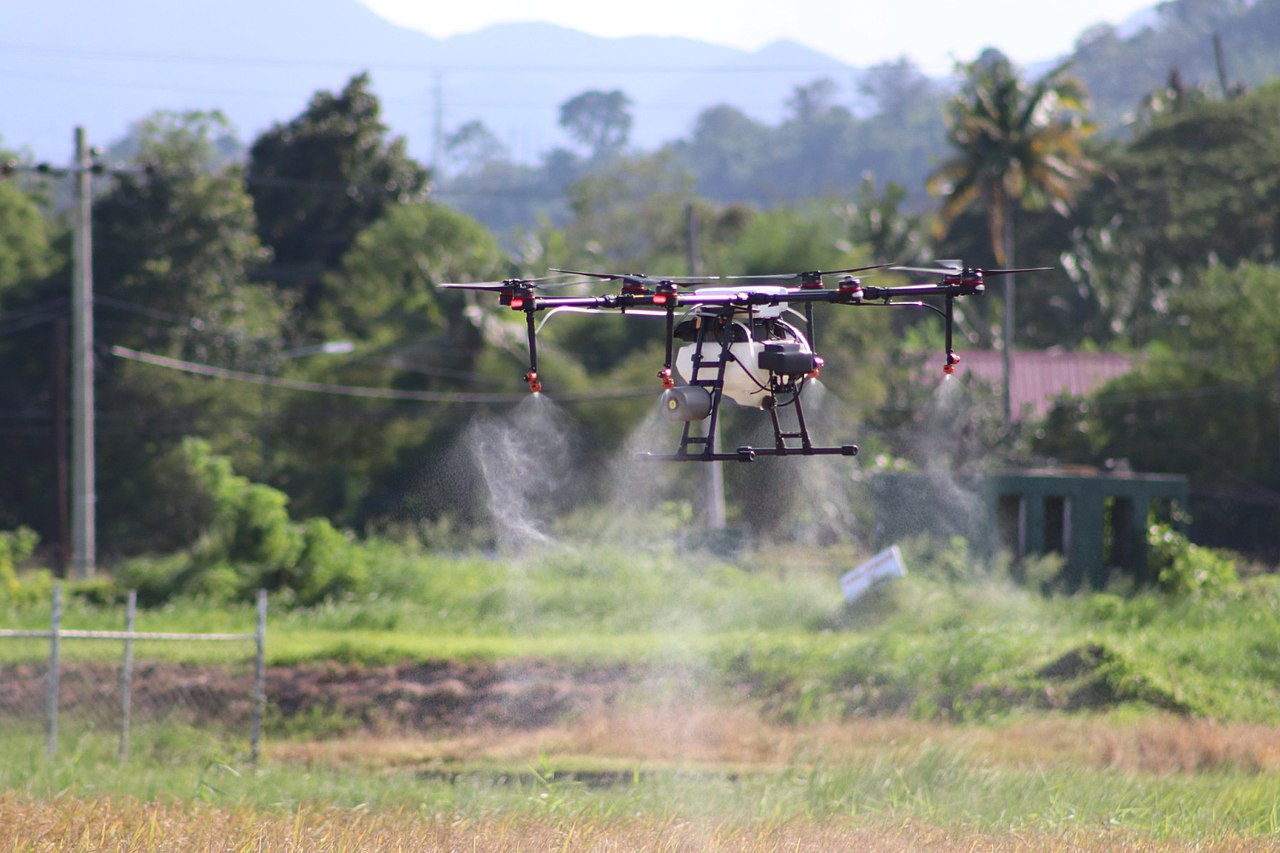
She pointed to China's Zero Growth Action Plan for Pesticide Use by 2020 as a model built on "control, substitute, precision and professionalisation": concrete targets for biological and physical controls such as natural enemies and pheromone traps, trained professional spray services, and drone spraying with nozzles that give small, even droplets. China also invested in automated, IoT-enabled monitoring stations with insect traps that warn farmers of outbreaks before pests are seen in the field.
For rice-growing South and South-East Asia, where pesticide use is heavy, the report's point is practical: forecasting, precision application and gradual adoption of biologicals can reduce chemical loads without asking farmers to gamble a season.
Photo: Christopher Hedreyd, PIA 4A CALABARZON / Wikimedia Commons (public domain)
Source: AgNavigator

Comments
(0)