
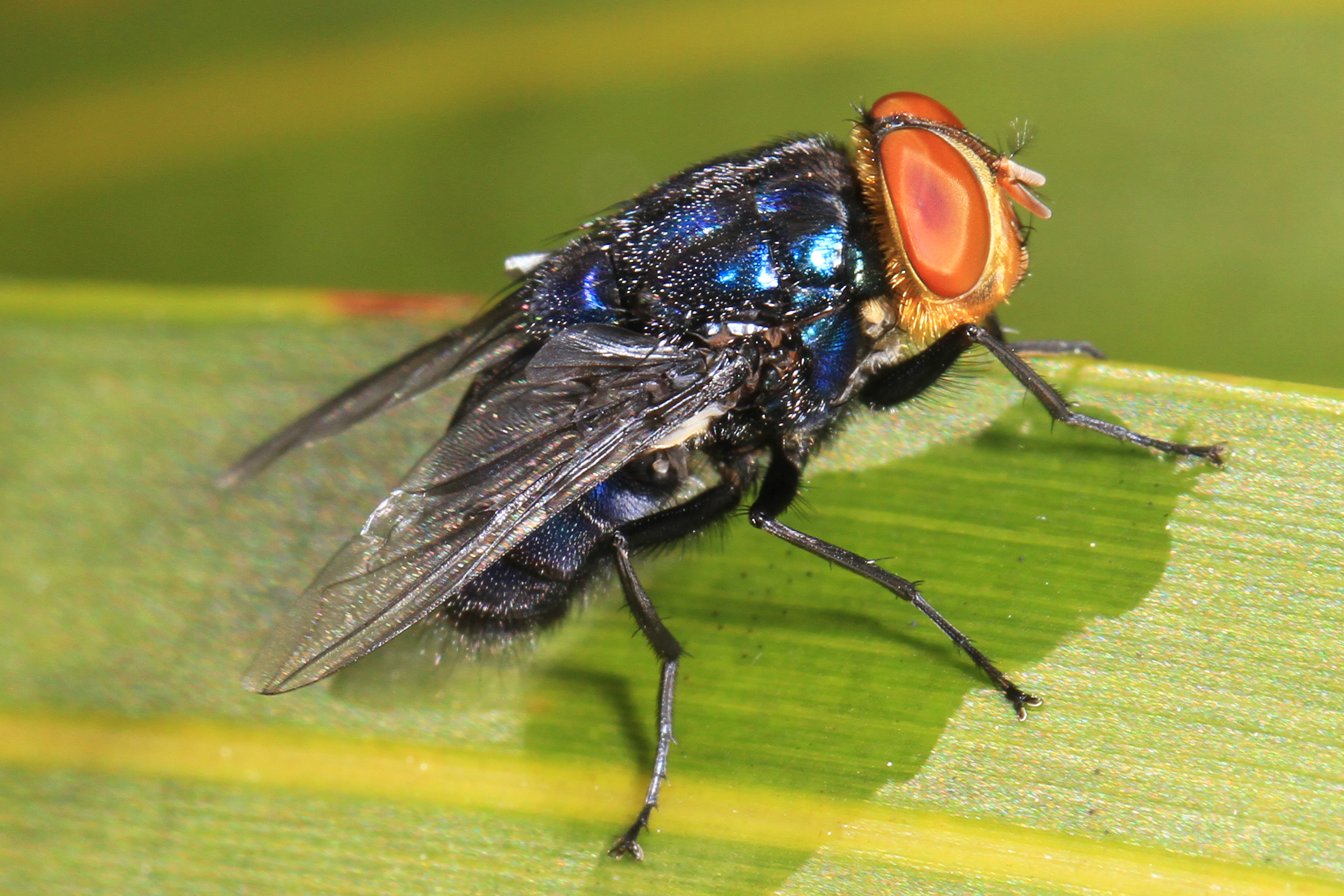
On 29 July 2026 the US Department of Agriculture (USDA) said it would commit $25 million to a proposed sterile fly dispersal facility in Douglas, Arizona, on the border with the Mexican state of Sonora. Agriculture Secretary Brooke L. Rollins made the announcement while visiting livestock inspection facilities at the Douglas port of entry, which the department had said would reopen to cattle from Mexico on 24 August after more than a year closed because of New World screwworm.
A flesh-eating pest back on US soil
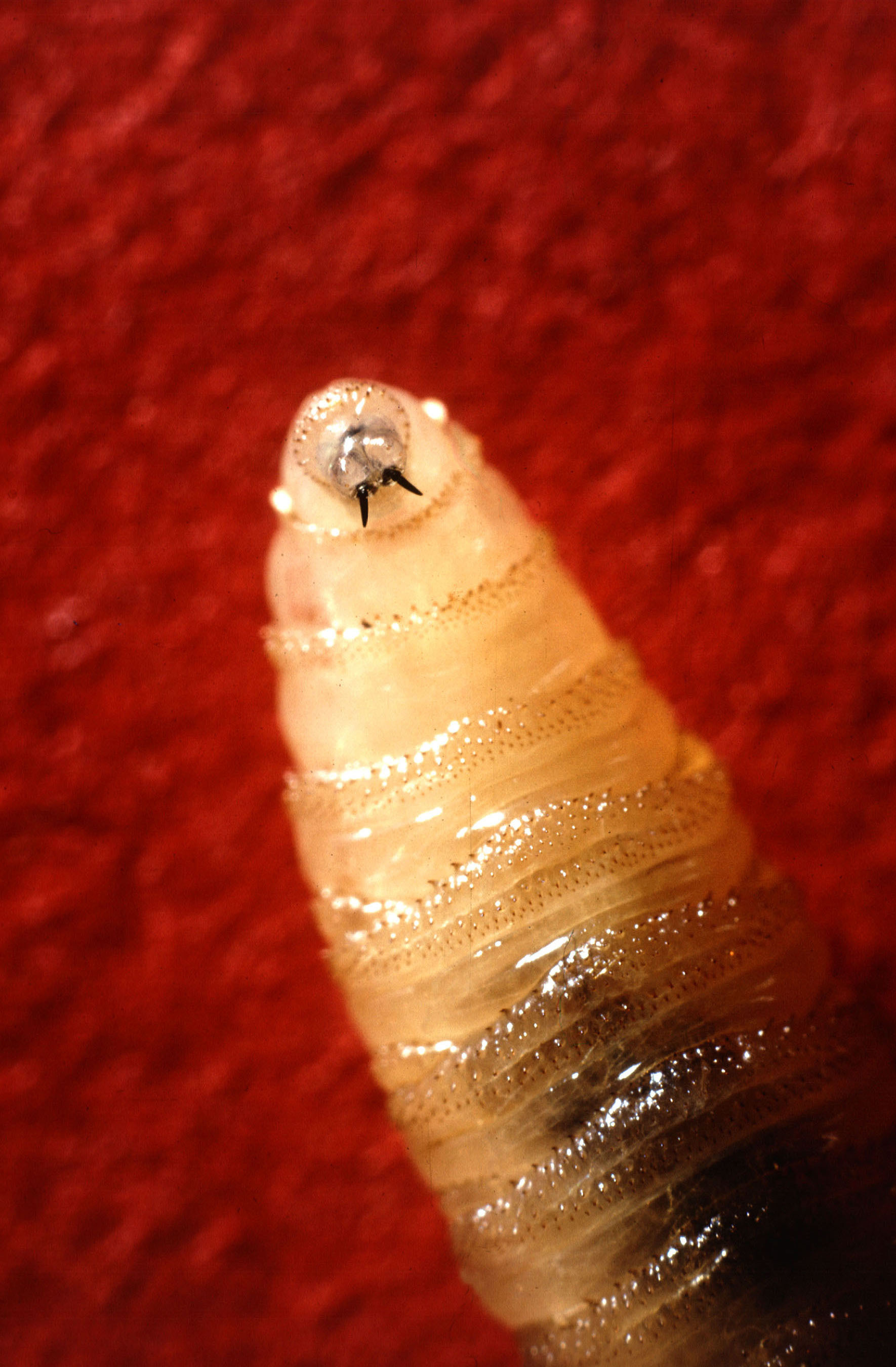
New World screwworm (Cochliomyia hominivorax) is a parasitic fly. Females lay 250 to 500 eggs in wounds or exposed flesh of warm-blooded animals, and the larvae feed on living tissue, which can kill the host. The pest was eradicated from the United States in the 1960s and pushed back into Central America, but it later spread north through Panama, Costa Rica, Nicaragua and Honduras and reached Mexico in 2024. USDA closed the southern border to live animal imports in May 2025.
On 3 June 2026 USDA's Animal and Plant Health Inspection Service (APHIS) confirmed the first US case: larvae in the umbilical area of a three-week-old calf in Zavala County, Texas. By the time of the Arizona announcement, 41 cases had been confirmed in Texas and one in New Mexico, DTN/Progressive Farmer reported, while neither Arizona nor Sonora had reported a confirmed case, according to KJZZ.
How sterile flies wipe out the pest
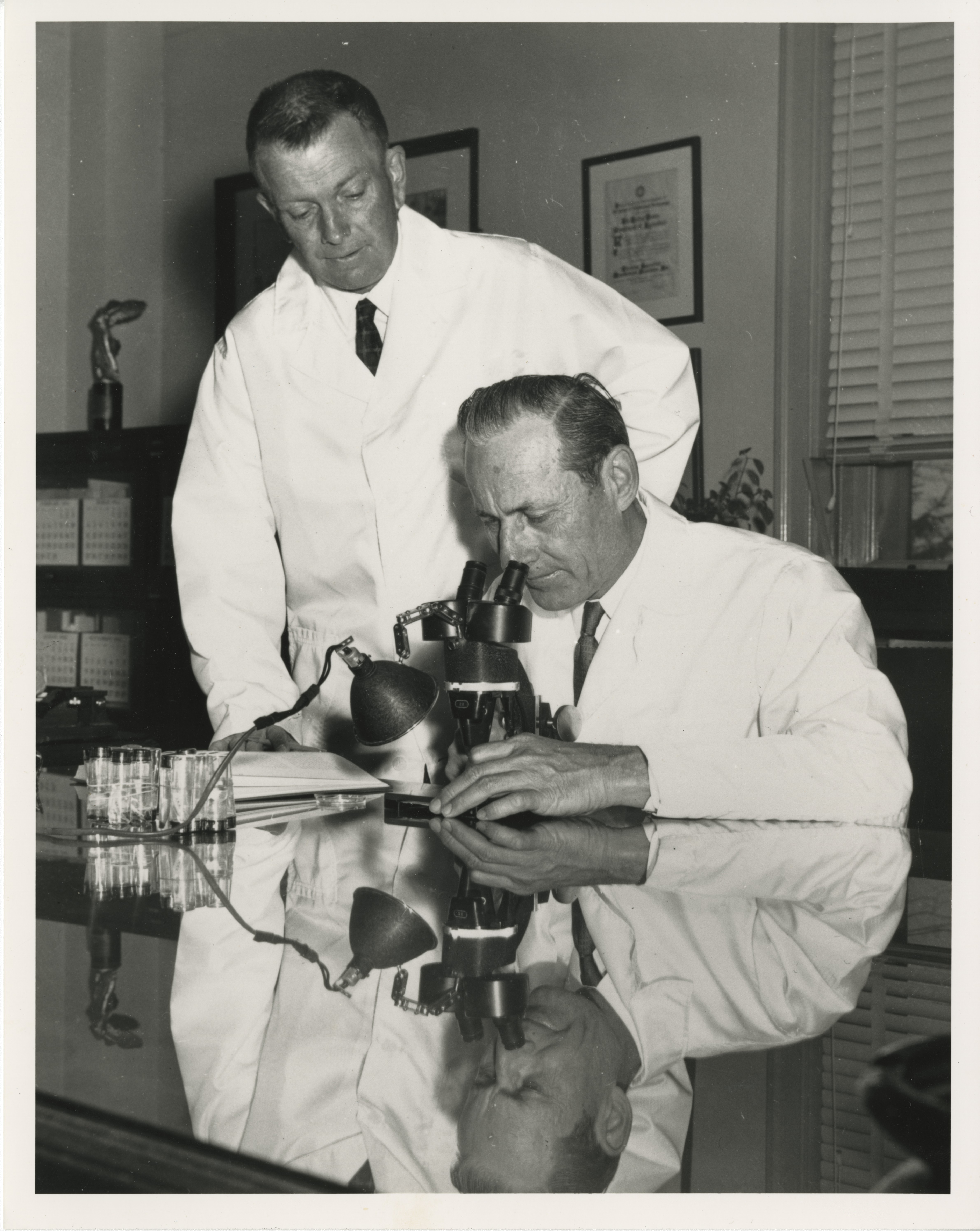
The sterile insect technique mass-rears flies, sterilises them with radiation and releases them over infested areas. Wild females that mate with the sterile males lay infertile eggs, and repeated releases over successive generations drive the population down until it disappears. The method was developed in the 1950s by USDA entomologists Edward F. Knipling and Raymond C. Bushland, who received the World Food Prize in 1992. It cleared screwworm from the Caribbean island of Curaçao in 1954, then from the United States, and from Mexico and Central America in the 1980s, while a plant in Panama held a biological barrier against reinfestation.
"The sterile insect technique is the only proven method to eradicate New World screwworm, and we will continue expanding this critical tool to protect America's livestock and food supply," Rollins said in a social media post.
A second US dispersal site
The Douglas facility would be the second sterile fly dispersal site in the United States, after the one in Edinburg in south Texas. It would join a network that included a production plant in Panama, a new one in Metapa, Mexico, a dispersal centre in Tampico and a production plant being built at Moore Air Base in Edinburg, due in 2027. USDA said construction in Douglas could take as little as several months depending on the site and infrastructure, and it was working with the Arizona Department of Agriculture on the location and operating plan.
"Today's announcement marks another major investment in our long-term strategy to push this pest back into Mexico and ultimately eradicate it from North America," Rollins said.
Strict inspections at the Douglas port
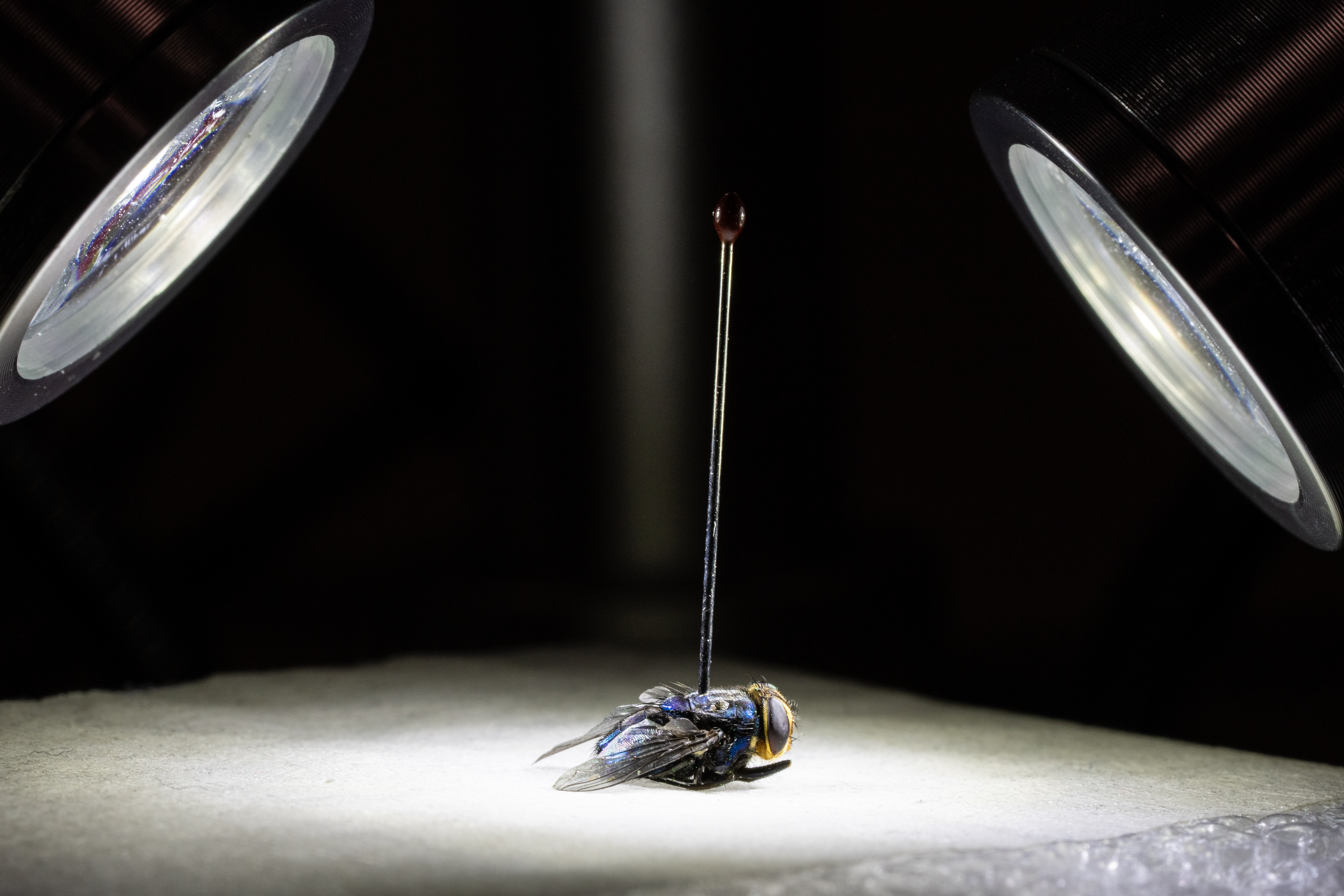
"The Douglas Port of Entry will reopen only because USDA has implemented one of the most rigorous livestock inspection protocols in history," Rollins said. Every animal faces several veterinary inspections, including by USDA vets before crossing; those failing the rules are refused, and a detection halts imports at once. Trapping near Douglas over the previous year sent nearly 1,000 flies for identification, none of them screwworm. Douglas was chosen first because Sonora has one of Mexico's strongest animal health systems, and the Santa Teresa and Columbus ports in New Mexico were to be considered afterwards.
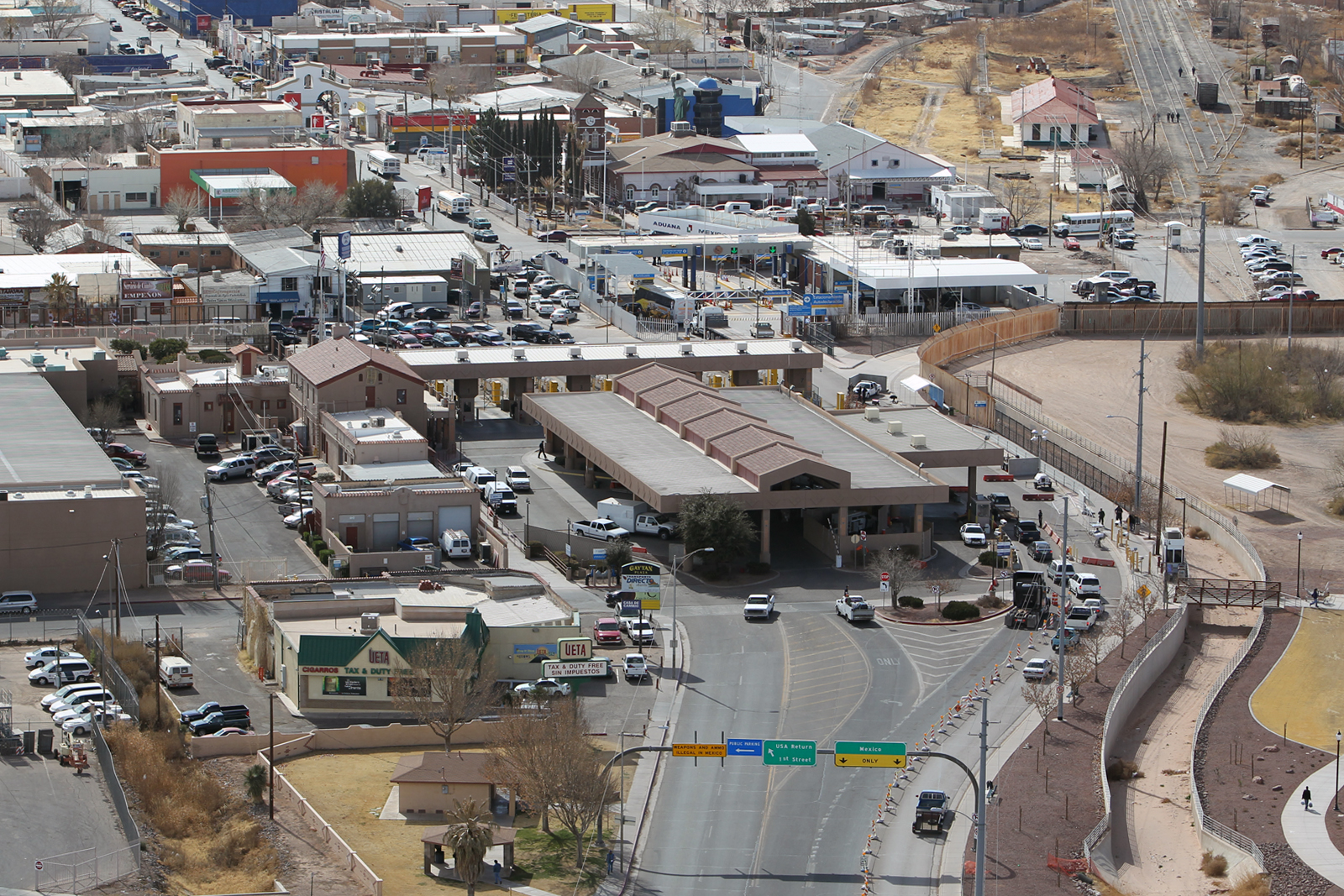
Photo: Judy Gallagher / Wikimedia Commons (CC BY 2.0)
Sources: U.S. Department of Agriculture (USDA), USDA APHIS, The Texas Tribune, KJZZ, DTN/Progressive Farmer, High Plains Journal, World Food Prize Foundation, Wikipedia
Comments
(0)