
The El Niño developing in the eastern Pacific is shaping up as one of the strongest ever measured, and two University of Arizona experts have set out what it means for American farmers: a wet autumn and winter in the Southwest and Southeast, rain that arrives in damaging bursts, no relief for the Colorado River's structural deficit, and the prospect of drought returning in the La Niña years that usually follow.
"This event is at least as strong as anything they found in the last 1,000 years," said Michael Crimmins, professor and climate science Extension specialist. "It certainly will be the biggest one in my career." It is expected to peak in November, three months earlier than the last record event. Warm water piling up in the eastern Pacific is already pushing tropical moisture into Southern California and the Southwest, of which the recent flash flooding in the Grand Canyon is an example, and that pattern should continue through September and October.
For Arizona and California, Crimmins expects above-average precipitation through next spring. "California is going to have a really, really interesting winter. Central Valley farmers really need to take this seriously," he said. The Southeast signal is also strong, with a very wet winter likely from Florida up through Georgia and the coastal states.
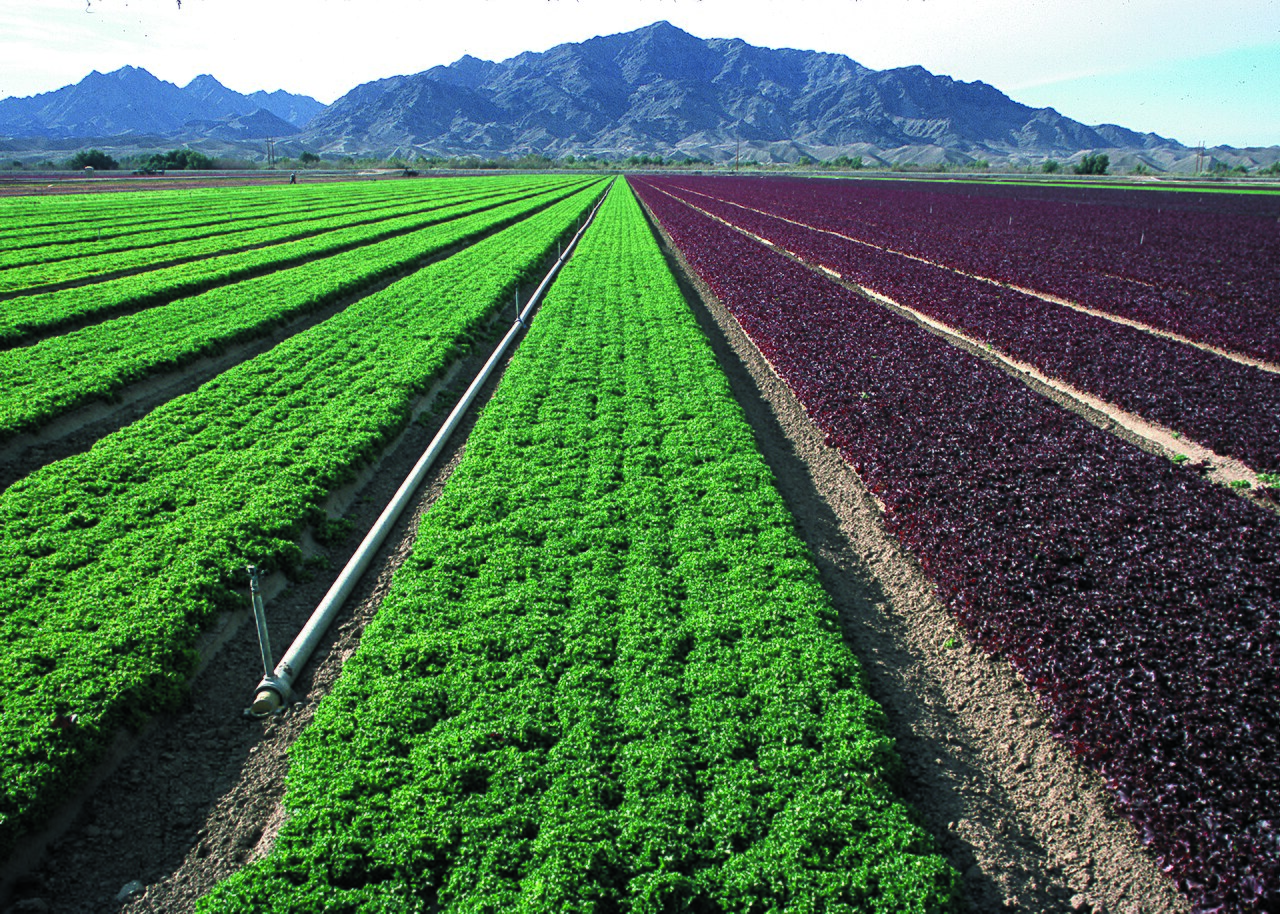
Rain in drought country is welcome, but it cuts both ways, said Ed Martin, associate vice president and director of the Arizona Cooperative Extension System. In Yuma County, which grows 90 per cent of the nation's winter leafy greens, heavy rain can keep planting and harvesting crews out of the fields and disrupt supply. "They want the rain, they need the rain, but when it does rain so much, we do run into problems," he said.
Neither expects the event to fix the water problem. The Colorado River Basin's deficit is structural, warmer temperatures reduce how much snow reaches reservoirs even when precipitation rises, and the Upper Basin may see below-average conditions depending on where the storm track sits. "This is not going to save us on the water side," Crimmins said. "We still got a lot of work to do." Martin's advice is to fill reservoirs when the chance comes, shore up against flooding, keep conserving water and watch the forecasts weekly, because strong El Niños deliver rain in concentrated bursts.
Looking further ahead, Crimmins warns that very strong El Niño events tend to be followed by multi-year La Niña conditions that bring drought back to the Southwest and hurt livestock operations. One benefit this year: El Niño suppresses Atlantic hurricanes through wind shear, and the season has been below average. "I don't think there is a normal anymore," Martin said. "Every year is a challenge, and growers are just consistently looking for ways to apply less water." Reported by Brent Murphree for Farm Progress.
Photo: Jeff Vanuga, USDA Natural Resources Conservation Service / Wikimedia Commons (Public domain)
Source: Farm Progress
Comments
(0)