
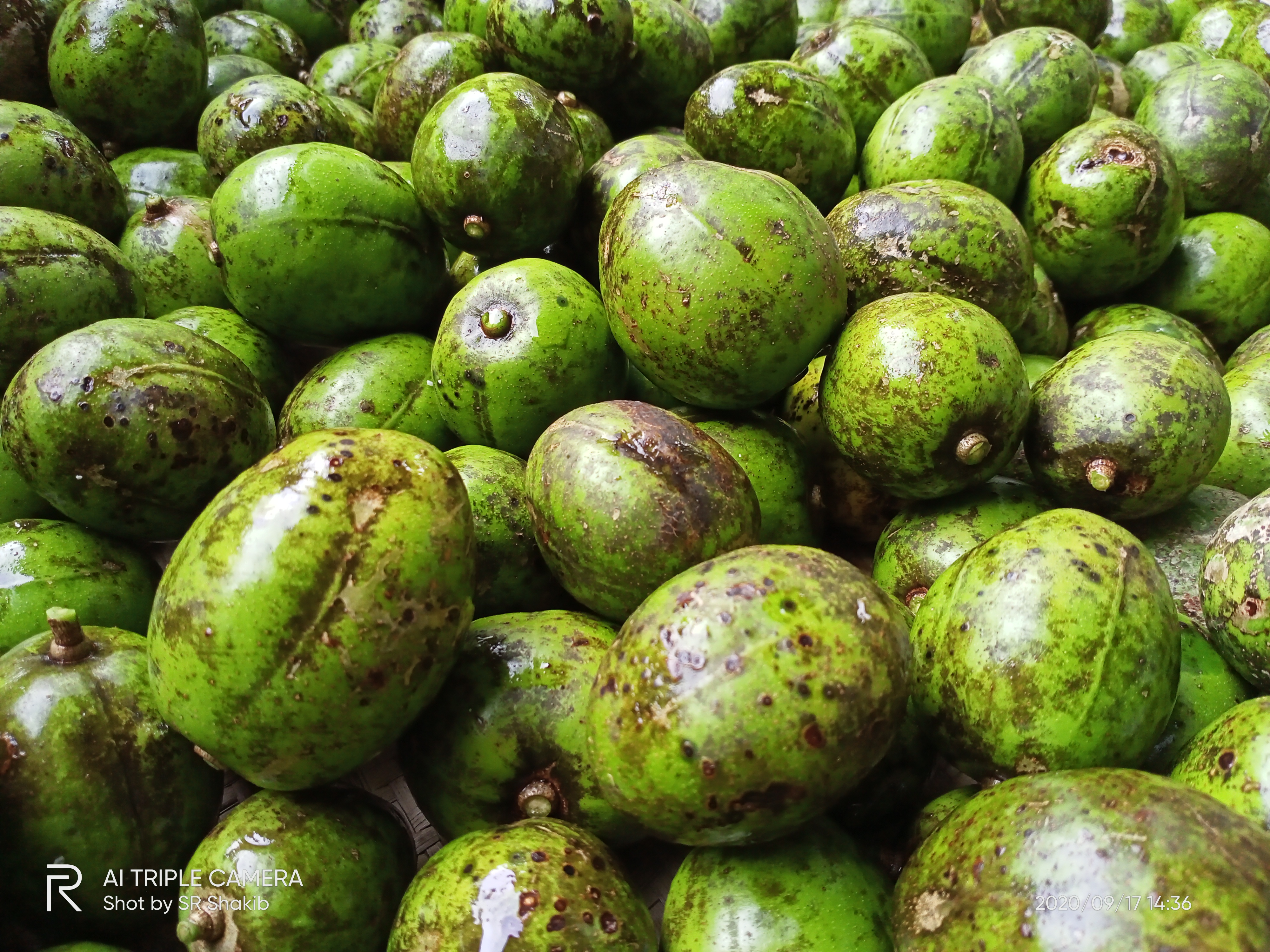
In season, many people in Bangladesh eat amra (hog plum) rubbed with chilli and salt, and many also put up a few jars of pickle to last the year. Pickles of every kind can be bought in the market, but a homemade one has a taste and fragrance of its own. On 14 October 2025 the lifestyle desk of Jagonews24 published a simple recipe for a sweet-and-sour amra pickle made with mustard oil, vinegar, panch phoron and sugar. Here is that recipe, with a short introduction to the fruit.
Amra, a sour fruit of the mango family
Amra belongs to the genus Spondias in the mango and cashew family, Anacardiaceae, and is called hog plum in English. In Bengali the name amra covers the fruit of two species, Spondias pinnata and Spondias dulcis. The unripe fruit is sour or sweet-sour and loses some of its sourness as it ripens. It is eaten raw, cooked or pickled. In Bangladesh it reaches the market in August and stays until October. In Sri Lanka, too, the fruit is soaked in vinegar with chilli and spices to make a pickle.
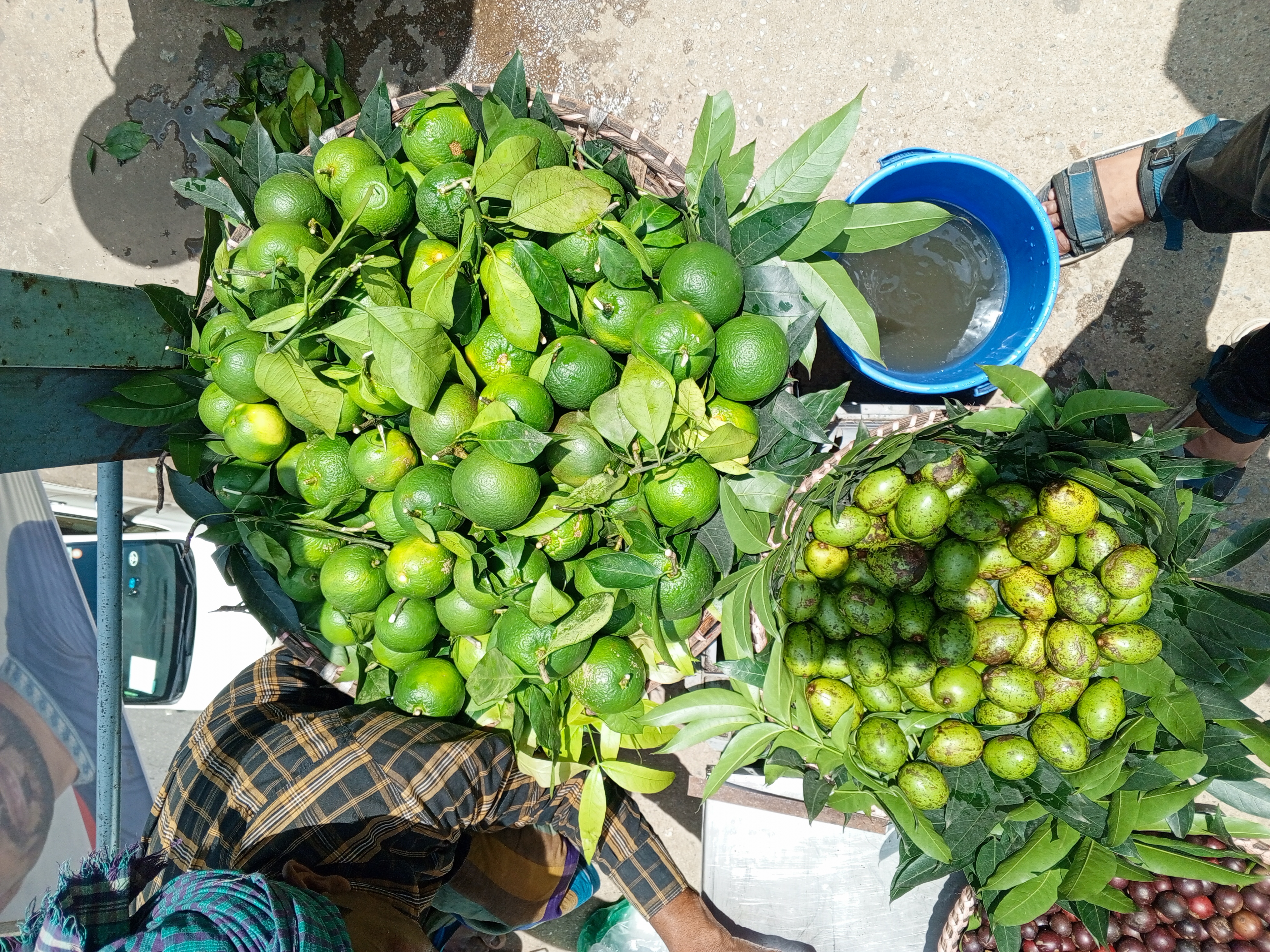
The Barishal region is the country's best-known source of amra. On 30 April 2025 Barishal's amra received its certificate as Bangladesh's 56th geographical indication (GI) product. According to NTV, the region supplies about 80 per cent of the country's demand for the fruit, and the recognition was given for its large size, juicy flesh and sweet taste. A 2024 Prothom Alo report named Atghar-Kuriana in Nesarabad upazila of Pirojpur and the Bhimruli, Shatadashkathi and Himanandakathi areas of Jhalakathi as the main growing areas, from where the fruit is sent to Dhaka, Chattogram and other parts of the country.
Shamsunnahar Nahid, head of the food and nutrition department at BIRDEM General Hospital, told Prothom Alo in September 2025 that amra is rich in dietary fibre and vitamin C and contains potassium, calcium and magnesium, and that the raw fruit has almost no sugar. This pickle, however, uses two cups of sugar.
Ingredients for one kilo of amra
- Amra: 1 kg
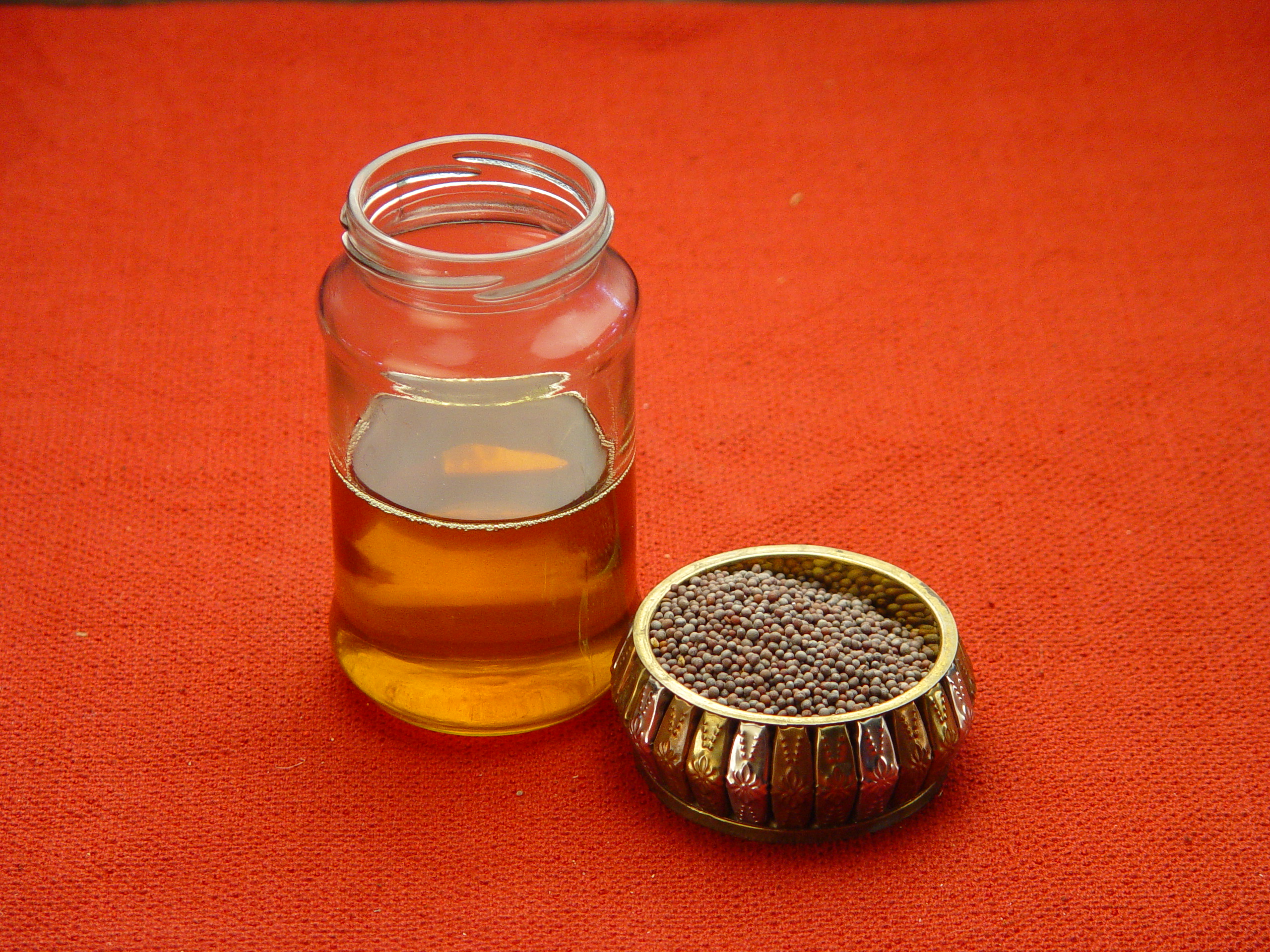
- Mustard oil: one and a half cups
- Vinegar: half a cup
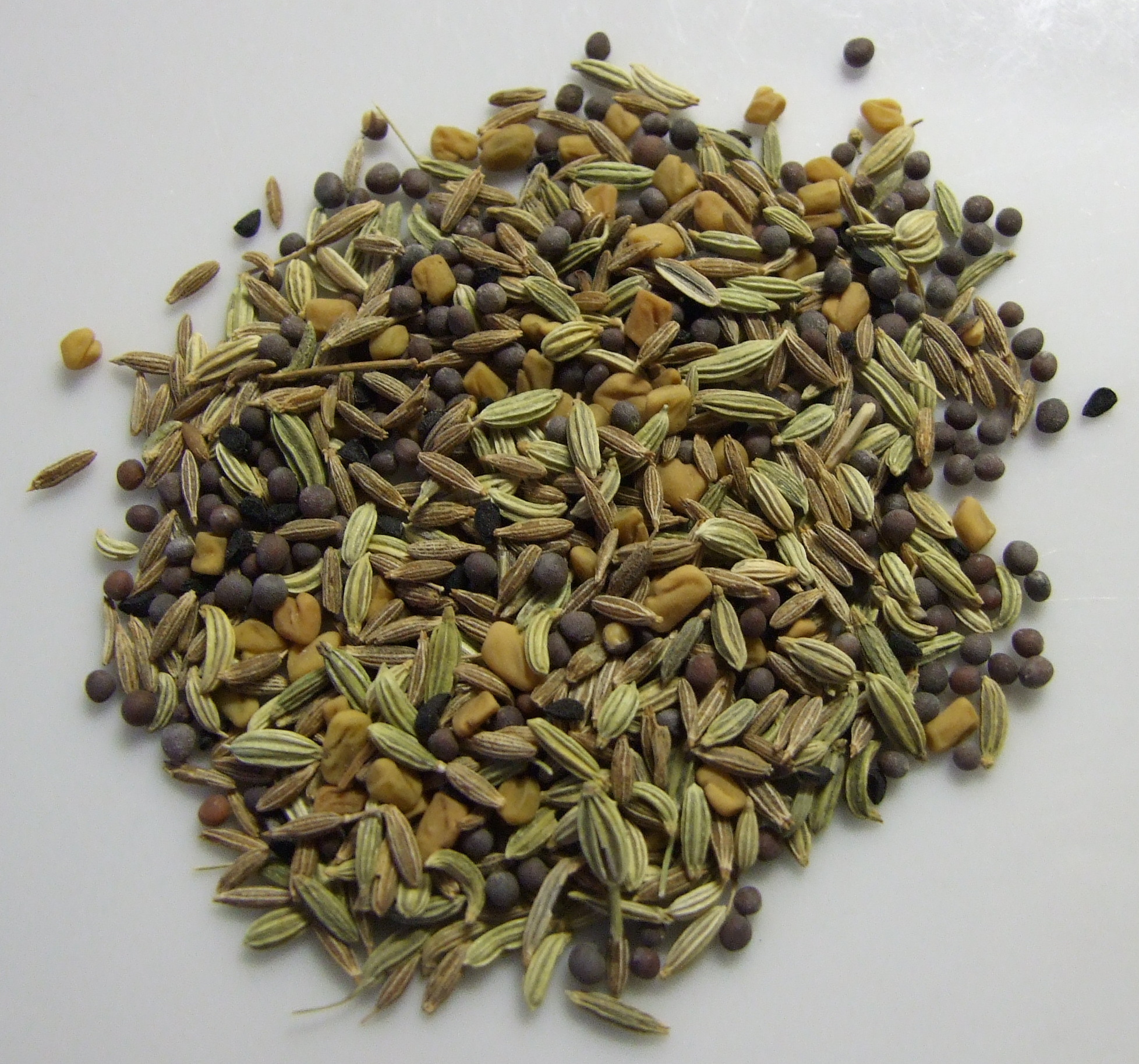
- Whole panch phoron: 1 teaspoon
- Bay leaf: 1
- Mustard paste: 2 tablespoons
- Ginger paste: one and a half tablespoons
- Garlic paste: 1 tablespoon
- Green chilli paste: 1 tablespoon
- Turmeric powder: 1 teaspoon
- Sugar: 2 cups
- Salt to taste
- Roasted ground panch phoron: 1 teaspoon
Panch phoron is a spice blend from Bangladesh and eastern India. It is made of five kinds of seed: fenugreek, cumin, nigella, black mustard and fennel. This pickle uses it twice: whole, to temper the hot oil, and roasted and ground at the end.
Method, step by step
- Peel and wash the amra.
- Grind the green chillies and mustard with a little vinegar.
- Heat the oil in a pan. When it is hot, add the whole panch phoron and the bay leaf.
- Add the spice pastes and the turmeric powder and fry them well.
- Add the amra and fry for a few more minutes. Stir in the vinegar, cover the pan and cook over a medium flame.
- When the amra is cooked through, mix in the sugar and turn the heat down so that the sugar and spices soak into the fruit.
- When the oil separates, take the pan off the heat and mix in the roasted ground panch phoron.
A Kashmiri-style amra pickle published by Prothom Alo in September 2025 likewise cooks the fruit in sugar syrup and adds vinegar, chilli and ginger: sugar and vinegar with the sour fruit is the familiar pattern for amra pickle.
Storing the pickle
Let the pickle cool completely, then pack it into airtight glass jars. According to the Jagonews24 recipe, setting the jars out in the sun from time to time helps the pickle keep for a long time.
Photo: SR Shaakib / Wikimedia Commons (CC BY-SA 4.0)
Sources: Jagonews24, NTV, Prothom Alo, Wikipedia
Comments
(0)