
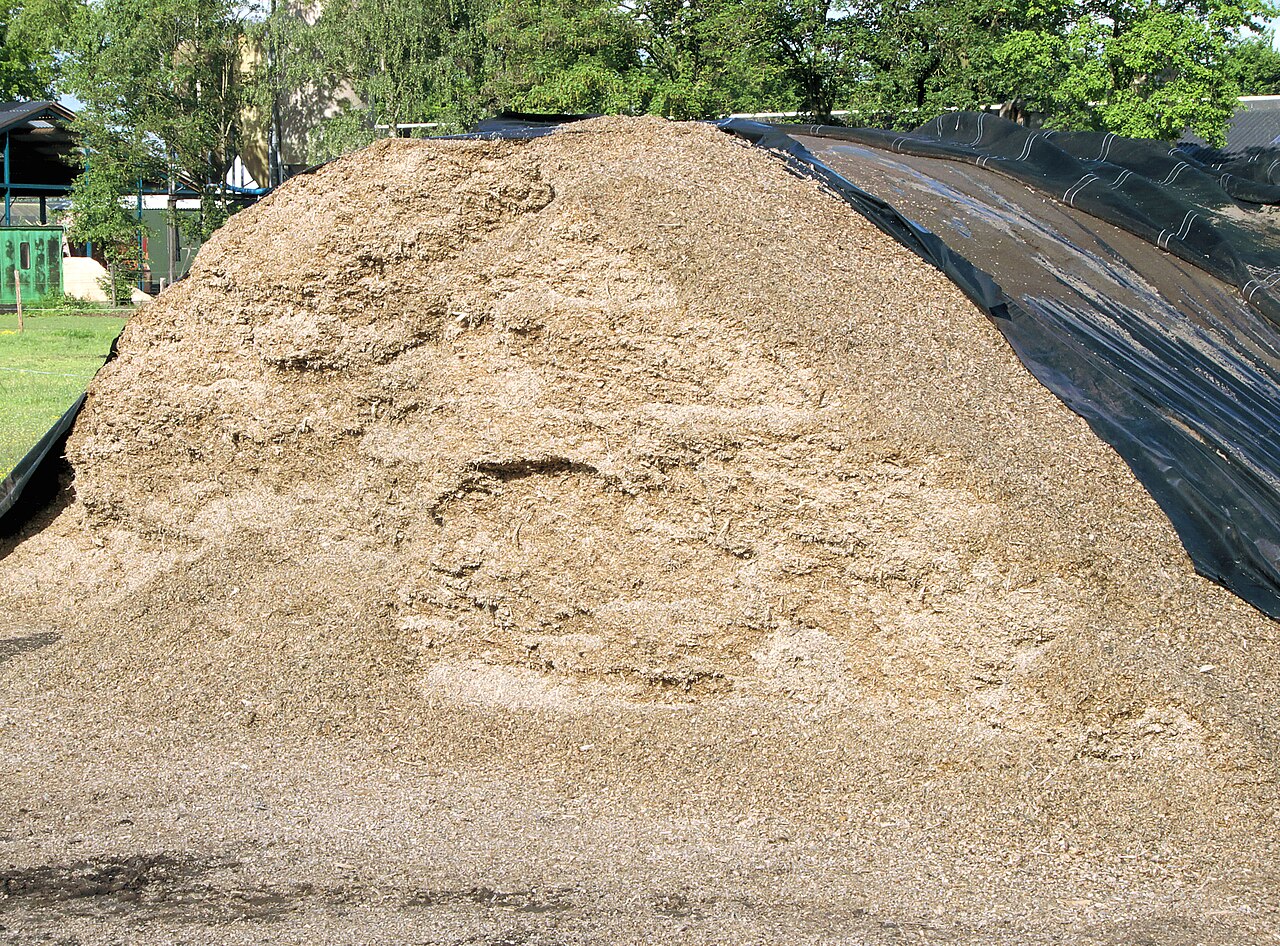
The US National Animal Nutrition Program (NANP) is developing an artificial-intelligence tool to help livestock producers spot where they risk losing feed, and its nutritional value, between harvest and the feed bunk, Farms.com reports.
The Feed Value Loss Risk Assessment Tool is an interactive application that combines research, expert knowledge and machine learning. It looks at every stage of feed management: harvesting, storage, handling, mixing, delivery and feeding. The team includes Hector Menendez, assistant professor and SDSU Extension livestock grazing specialist, with Jordan M. Adams, Julia T. Silva, Karun Kaniyamattam and Luis O. Tedeschi.
The tool uses a random forest model, a machine-learning method that weighs several factors together to estimate the relative risk of feed value loss. Silage gets detailed attention first, and the tool is also designed for hay and grain. Producers enter their practices at each stage, receive an overall risk score, and can change conditions to see how different choices would alter the risk.
The score does not give the exact amount or percentage of feed lost; it shows relative risk, with a higher score meaning a greater chance of losing quantity or nutrients. The developers stress that it supports decisions but does not replace farm experience or professional advice, and producers can discuss results with NANP's Feed Management Committee, Extension staff, NRCS advisers or nutritionists.
Because feed is one of a livestock farm's largest costs, cutting avoidable losses protects both profit and the nutrients animals receive, the project says.
Photo: Rasbak / Wikimedia Commons (CC BY-SA 3.0)
Source: Farms.com
Comments
(0)