
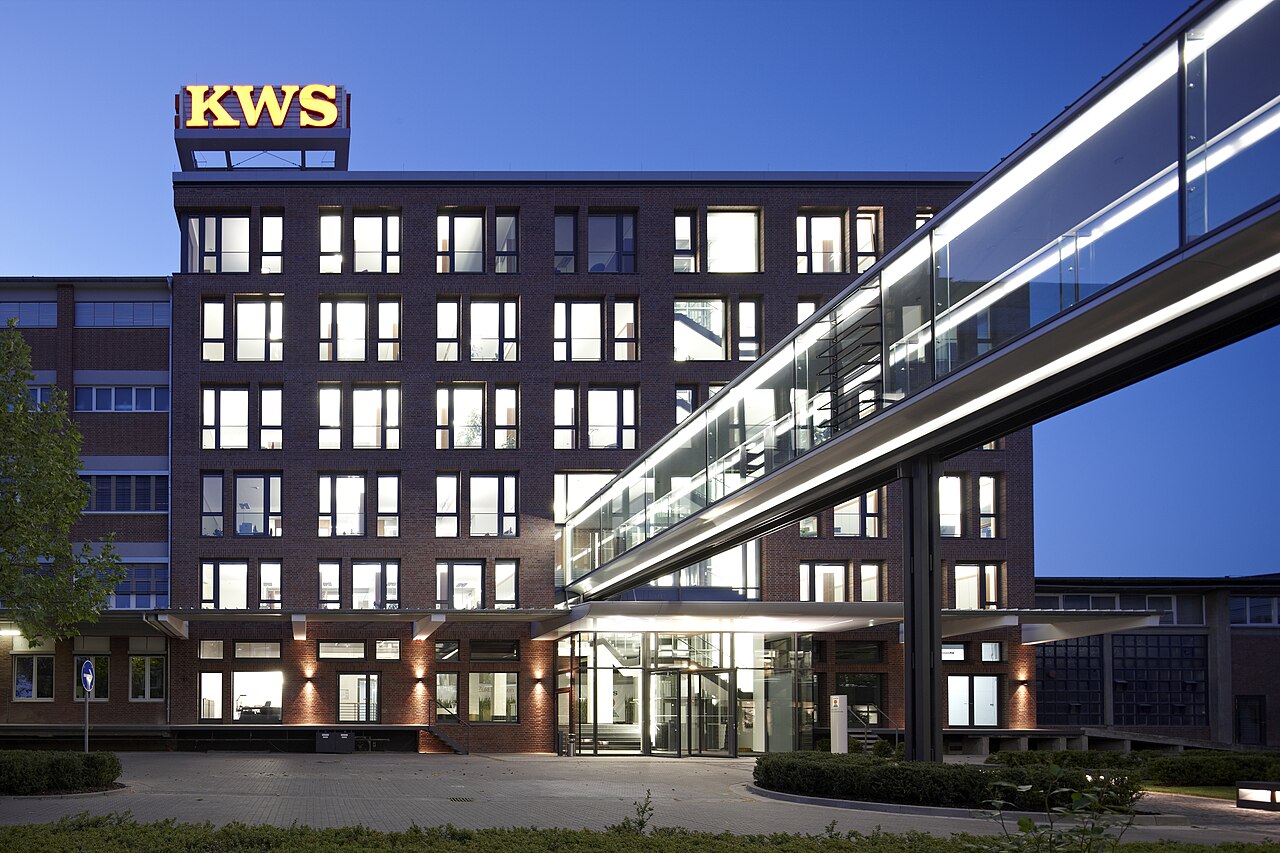
Agrifood technology startups short of capital should think hard before signing exclusivity deals, open-ended pilots or term sheets with large corporates, according to George Bilkis, managing director at the German investment firm Aleph Eins Capital. Bilkis spent six years running global mergers and acquisitions, joint ventures and the deal side of venture investing at the German seed company KWS before joining the firm.
Aleph Eins is backed by a family whose core business is agriculture. Bilkis told AgFunderNews that the family is the largest grower of vegetables and cereals in the UK and its largest agrochemical distributor, and is building the country's largest water reservoir. The firm mainly takes controlling stakes in agriculture, chemicals, water and energy companies with an enterprise value of about 200 to 300 million euros, and also runs projects on its own land, including a biochar plant, a syngas plant and ideas in controlled environment agriculture. It is now working on the acquisition of a seed company.
His main advice concerns pilots. A founder, he said, has to tie a pilot to a concrete purchase that will follow if the product performs as promised, and has to reach the people inside the company who actually make decisions. "Otherwise, you will be wasting your resources and your precious time on pilots to nowhere," he said.
On exclusivity he was blunter: the answer should be no unless the corporate is ready to buy the startup outright. A startup bound to one customer, he argued, limits its own exit and frightens off every later investor. He called a right of first refusal "one of the worst of the worst" and advised founders to turn down money that comes with it.
Bilkis was not against corporate money as such. When venture capital is scarce, corporates are a source of more patient capital, he said, provided the valuation is fair and the rights attached do not choke the next funding round, commercialisation or the exit. He added that a founder who formalises a corporate relationship should ask to use the partner as a reference with investors.
He said large agricultural companies had paused some activity while internal goals were reset, though not entirely, and that family offices were increasingly stepping in as investors in the sector. For farmers, the argument matters because the tools they end up using, from biologicals to field sensors, often reach them only after a startup survives exactly this kind of corporate negotiation.
The interview was conducted by AgFunderNews.
Photo: TrangHo KWS / Wikimedia Commons (CC BY-SA 3.0)
Source: AgFunderNews
Comments
(0)