
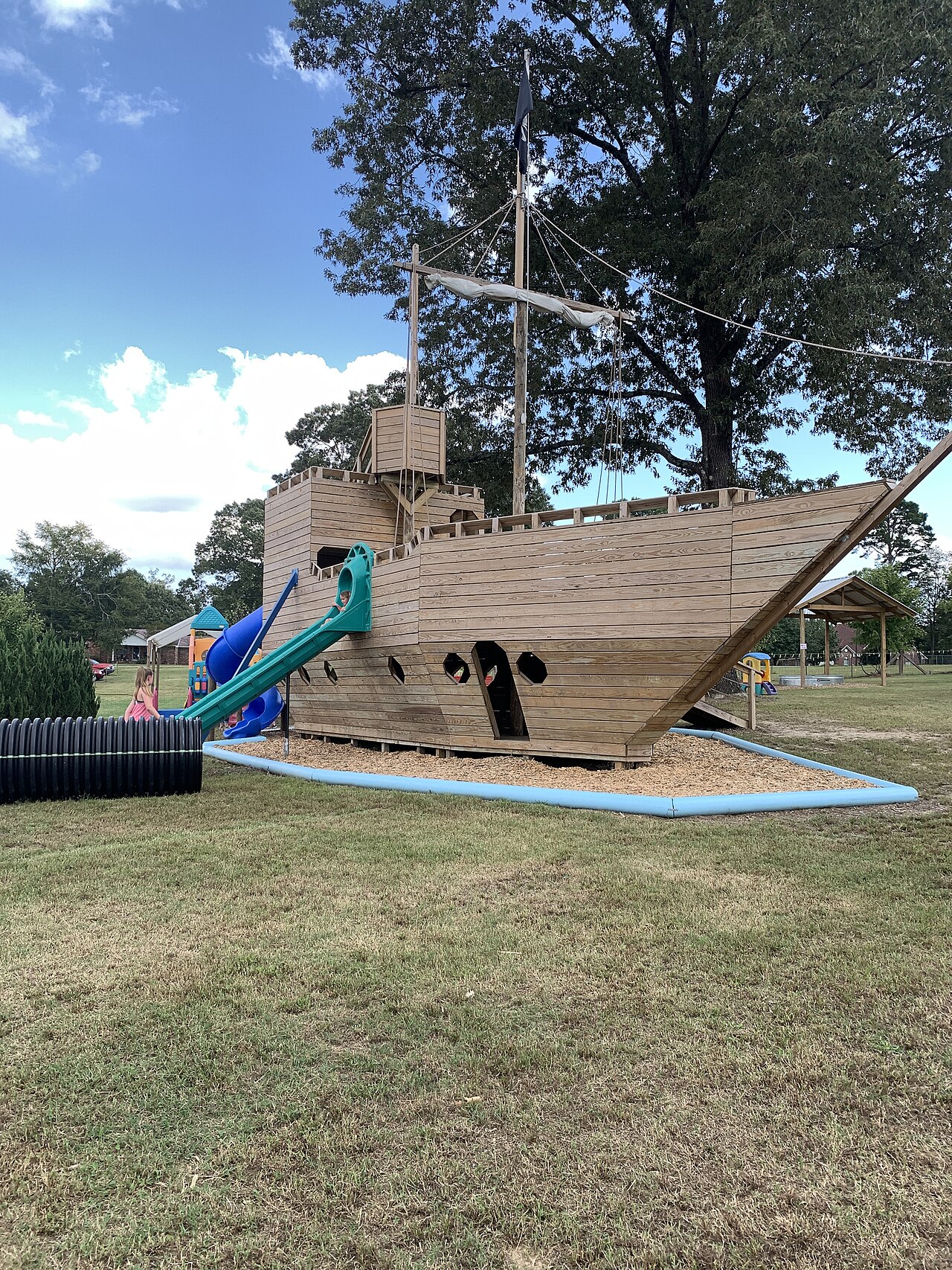
Agritourism is a small but growing source of farm income in the United States, DTN/Progressive Farmer reports. USDA's 2022 Census of Agriculture found that pick-your-own produce, hayrides, petting zoos and similar activities earned $1.26 billion that year, 12% more than in 2017. About 1.5% of farms, 28,617 of 1.9 million, reported agritourism income, averaging $44,000 each. Receipts on farms smaller than 10 acres rose 137.2% between 2017 and 2022, while farms over 2,000 acres earned $251.7 million from it, $43 million more, even though there were 550 fewer such operations.
The businesses cluster around cities that supply customers and are most often managed by women; California, Colorado, Michigan, New York, North Carolina, Ohio and Texas have the most. Start-up costs run from $50,000 to more than $500,000 for restrooms, kitchens, attractions such as corn mazes, liability insurance, staff and marketing.
Southern Belle Farm in Henry County, Georgia, 30 miles south of Atlanta, was surrounded by 177,000 non-farming neighbours by the early 2000s. Instead of selling to developers, Jake Carter's five-generation family opened the gates. The farm dropped weddings to focus on what visitors came for and now rests on four pillars: pick-your-own fruit and flowers, attractions such as wagon rides, food and drink, and a market for local goods. It draws 500,000 guests a year, including 40,000 schoolchildren, and has 16 acres of parking.
In Thorntown, Indiana, Lucas and Dana Dull came home to his parents' corn, soybean and Christmas tree farm proposing pumpkins. Their first harvest was in 2014; within five years the 20-day autumn season outearned the Christmas tree season, and in 2019 they left row crops, now leased to a cousin. Dull's Tree Farm draws 80,000 visitors a year to 45 activities, grows 40 varieties of pumpkins and squash on eight acres and sells 6,000 of its 65,000 Christmas trees annually. "We try to intentionally not grow too fast. We are selling an experience," Lucas said.
Near Scottdale, Pennsylvania, Rachel and Matt Long bought land in 2013 to raise hay and beef cattle. Their Autumn Ridge Farm now runs festivals, animal encounters with Highland cows, youth camps and photo sets in a converted barn loft and sunflower fields; families pay $42 for a sitting and photographers $75 an hour.
The farms' advice is to start carefully, focus on what visitors value most and keep the farm experience at the centre. The report is by Dan Miller.
Photo: Rberchie / Wikimedia Commons (CC BY-SA 4.0)
Source: DTN / Progressive Farmer
Comments
(0)