
In the 2026-27 budget the National Board of Revenue (NBR) granted large duty and tax cuts on essential goods, life-saving medicines, IT equipment and environment-friendly vehicles. Four months on, it wants to know whether prices actually fell and consumers benefited, and has written to the Bangladesh Trade and Tariff Commission asking for a report, Samakal reported.
The letter covers 18 products and product groups, including food, agricultural inputs, medical supplies, pharmaceutical raw materials, computers, electric and plug-in hybrid cars, textiles and electric three-wheelers. For goods where VAT or supplementary duty was cut along with customs duty, it says, changes in import cost, selling price and consumer price need to be analysed.
The budget withdrew regulatory duty on dates and 45 kinds of spices. Yet in several Dhaka retail markets on Thursday spice prices were almost unchanged and some had risen. Mamunur Rashid, a date and fruit trader at Karwan Bazar, said wholesale dates had gone up by Tk 100 to 150 a kilo in two weeks. Grocer Md Raihan said neither small traders nor consumers get the benefit of tax cuts; it all goes into importers' pockets.
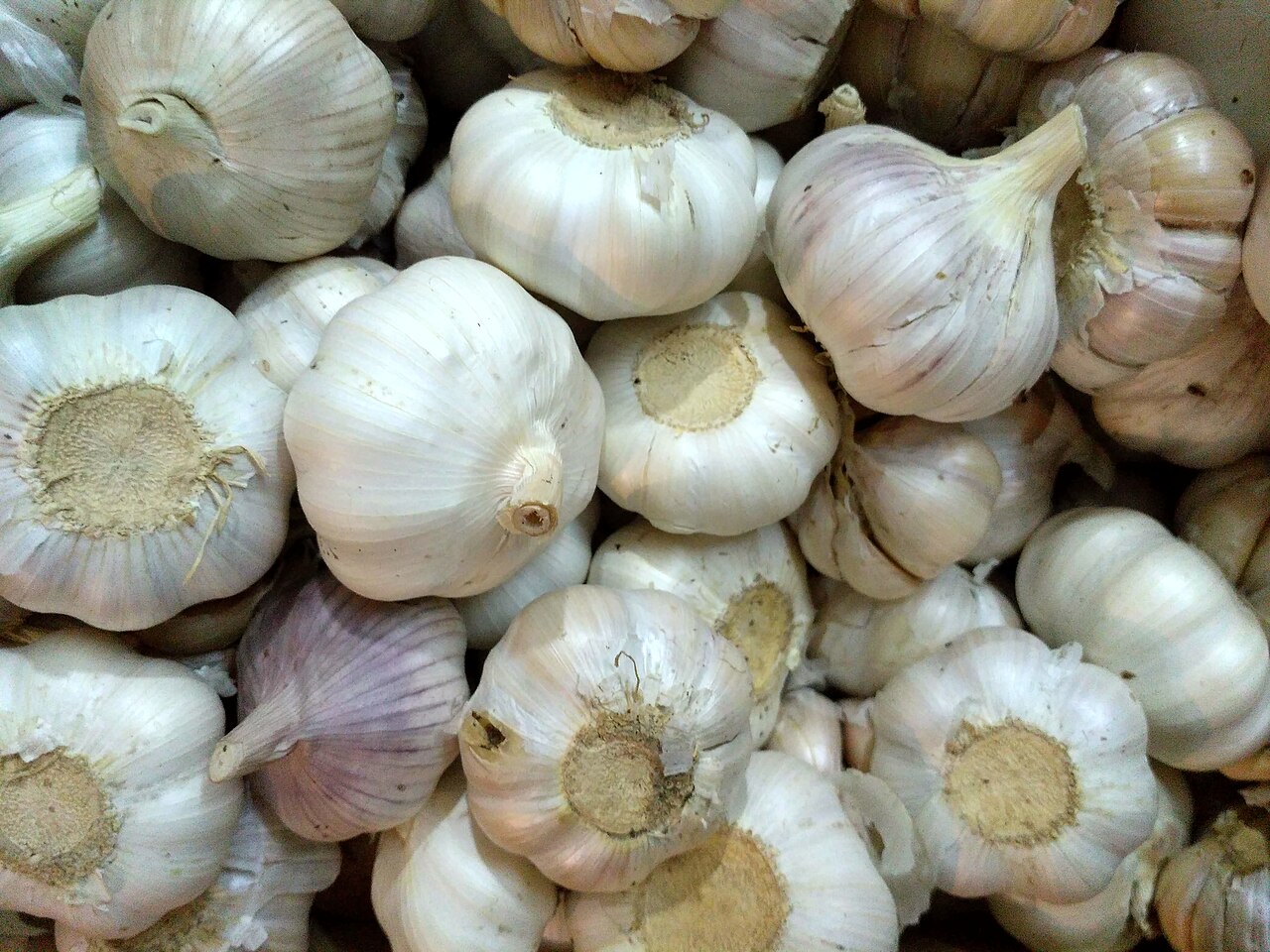
According to the state-run TCB, over a year ordinary dates have risen about 17 percent, imported garlic 21 percent, ginger 5 percent, cloves 4 percent and bay leaves 25 percent, while cumin fell 11 percent and cardamom about 1 percent.
Medicine shows the same picture. VAT of 15 percent and advance income tax of 5 percent were withdrawn on imported dialysis filters, all duties lifted on nine raw materials for cancer drugs and 53 new raw materials exempted for makers of active pharmaceutical ingredients, yet pharmacies visited were selling almost everything at old prices. A pharmacy owner in Tejgaon said some companies have cut supply citing higher production costs and will bring the drugs back at higher prices.
SM Nazer Hossain, vice-president of the Consumers Association of Bangladesh (CAB), said the government gave up revenue but consumers did not gain; importers did. Cutting duty alone does not control the market, he said; strict monitoring is needed.
Photo: Garlic in a Dhaka market, Salim Khandoker / Wikimedia Commons (CC BY-SA 3.0)
Source: Samakal



Comments
(0)