
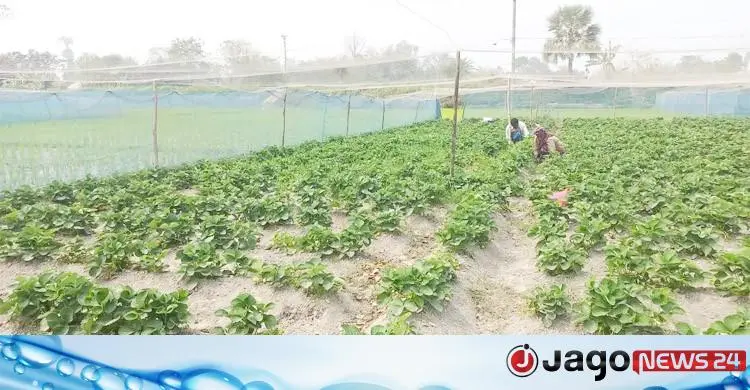
The Fourth Industrial Revolution is rapidly reshaping production, economies and labour markets. Artificial Intelligence (AI), the Internet of Things (IoT), soil sensors, drones and big data have put agriculture at the centre of transformation, and developed countries have revolutionised farming through smart agriculture and precision farming. In developing countries such as Bangladesh, integration and use of these technologies is still limited, making it harder to keep interested young people in farming.
What the technologies offer
- **AI:** detects crop diseases and pests from images, forecasts yields, analyses weather and supports decisions, making farming less risky and more profitable.
- **IoT and soil sensors:** measure soil moisture, pH, NPK, temperature and salinity in real time and show the data in an app. Smart irrigation can then water automatically, cutting water waste and costs, an important benefit where irrigation costs are high.
- **Drones:** monitor crops, spray fertiliser and pesticide evenly, map fields and analyse crop health, saving time and labour and creating jobs in drone services and data analysis.
- **Big data:** combines weather, soil, market prices and production history to decide which crop pays best in an area and when to sow.
Why young people leave
Many young Bangladeshis show interest in farming but do not stay, because of uncertainty and risk, lack of technology, inadequate training and support, weak markets and social attitudes. If farming is not established as a modern, profitable profession, the sector will face a shortage of skilled people.
What needs to be done
- An integrated, technology-based policy that brings AI, IoT, soil sensors, drones and big data to farmers' doorsteps at lower cost, with easy-to-use, locally suitable solutions.
- Modern training through technical education, hands-on learning and practical platforms, so young people become tech-based agri-entrepreneurs, not just job seekers.
- Support for agritech startups through investment, incubation, easy credit, market links and public-private partnership.
- An integrated digital platform giving farmers soil data, weather forecasts, disease diagnosis and market prices.
- Clear policies and incentives for drone use, data sharing and secure data management.
Without technology, the writer warns, agriculture will lose its vitality and food security will be at risk. The time has come to build a smart farming system in which young people do not merely take part but lead.
Source: Jagonews24. First published in Bengali on The Agro News.

Comments
(0)