
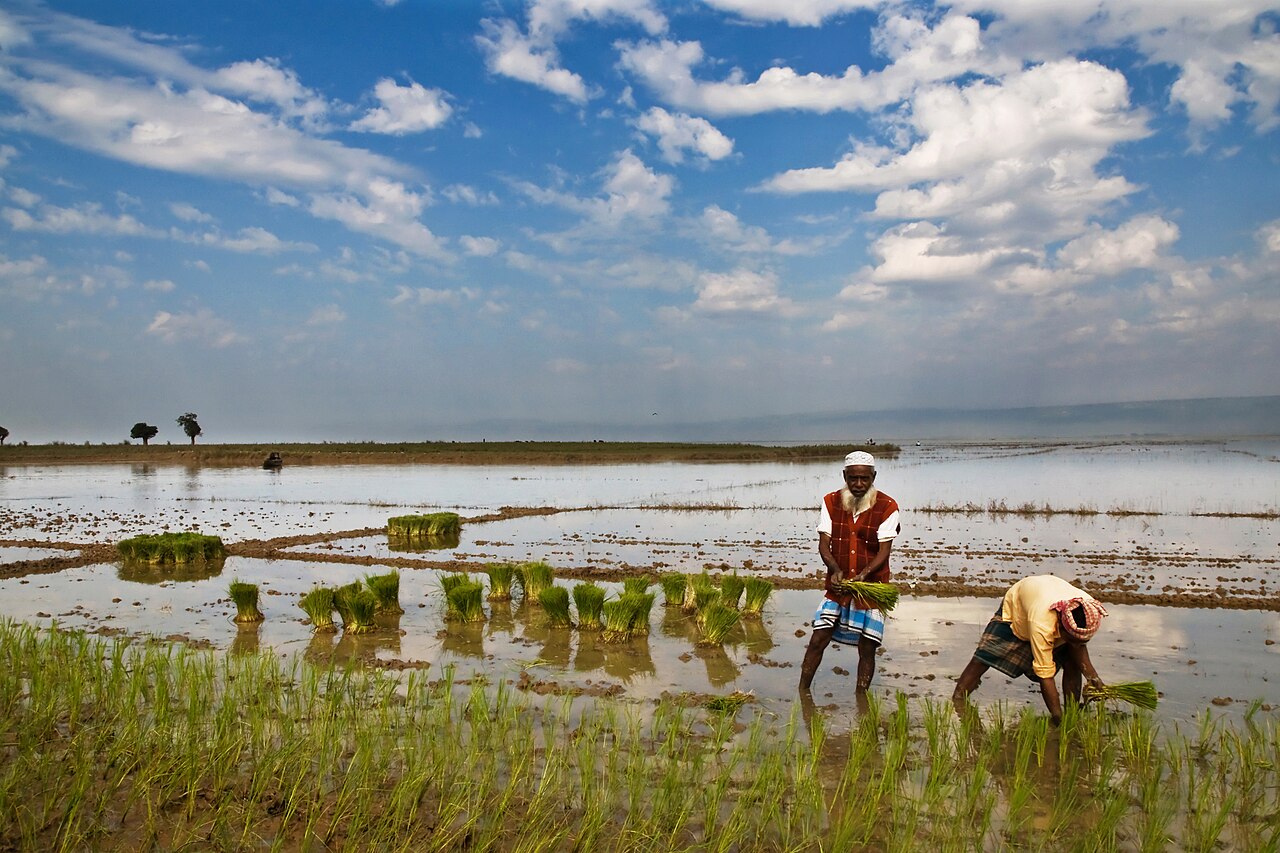
Agriculture is the oldest of occupations and still the most important. It feeds, clothes and shelters us, and in Bangladesh it is the main pillar of both the economy and of ordinary livelihoods.
Why it matters
- Food security: rice, wheat, maize, vegetables and fruit are what stands between the country and shortage.
- The economy: a large share of GDP comes from farming, and farm exports earn foreign exchange.
- Employment: most Bangladeshis work directly in agriculture, and agro-industry employs many more.
- Poverty: raising farm incomes is the surest way of lifting rural households.
- Raw materials: jute, cotton, sugar and oilseeds feed the country's industries.
- The environment: sound farming keeps soils fertile and biodiversity alive.
- Exports: jute, tea and other produce bring in foreign currency.
- Culture: the village, the harvest and the festivals that follow it are the country's own.
Kinds of farming
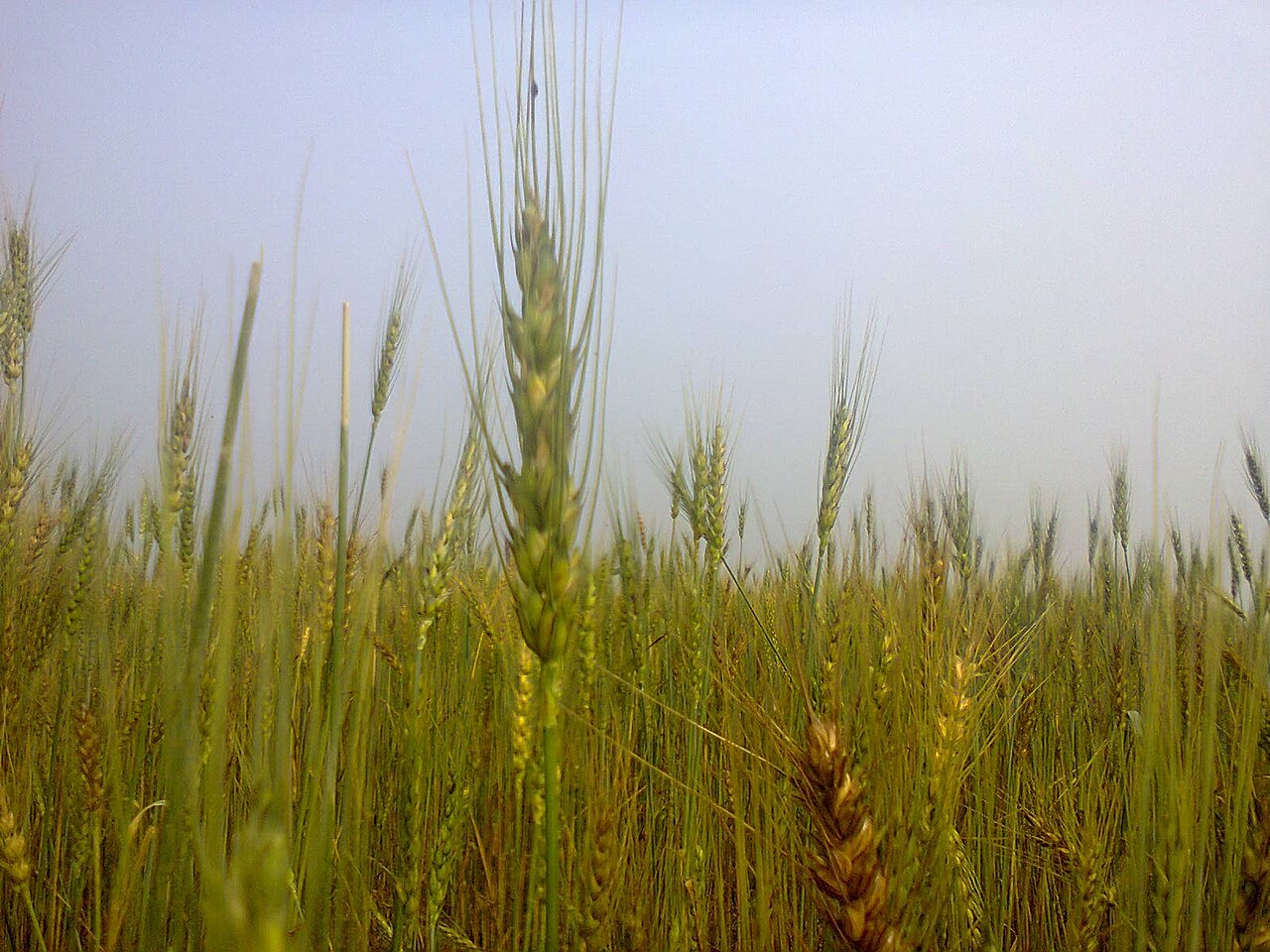
- Crop farming — rice, wheat and maize; pulses and oilseeds; vegetables and fruit.
- Commercial farming — tea, jute, cotton, sugar and tobacco grown for industry and trade.
- Organic farming — natural inputs in place of chemical fertiliser and pesticide.
- Irrigated farming — the boro rice of the dry season, which depends on pumps and canals.
- Livestock and fisheries — cattle, poultry and the ponds and rivers that supply the country's fish.
Whatever the country becomes, it will be built on its fields.
Photo: Bangladeshi farmers transplanting paddy — Balaram Mahalder / Wikimedia Commons (CC BY-SA 3.0)
Comments
(0)