
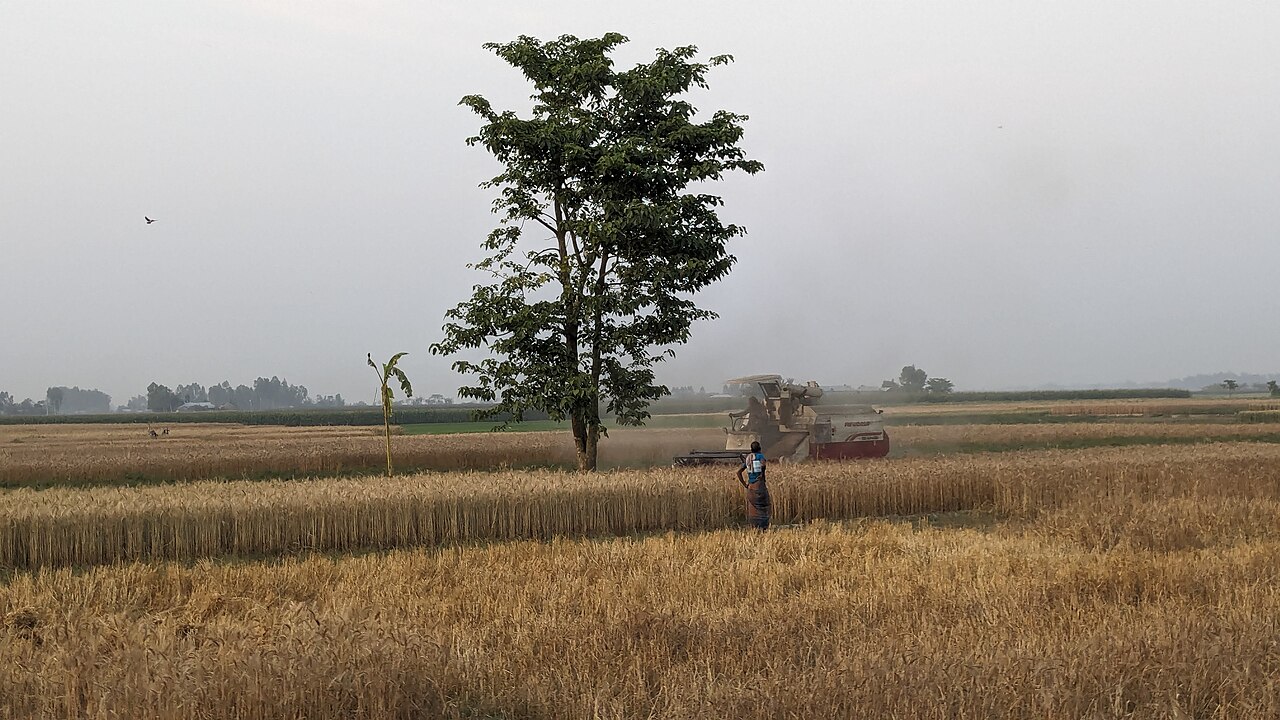
Agricultural mechanisation means using modern machinery and technology at each stage of farm work. Bringing machines into land preparation, sowing and transplanting, irrigation, harvesting and processing raises the productivity of agriculture — and in Bangladesh, where farm labour is scarcer and dearer every season, it has become the key to keeping farming profitable.
Why mechanisation matters
- Higher productivity: machinery lets a farmer cultivate more land in less time, and both the yield and the quality of the crop improve.
- Lower cost: a machine does the work more cheaply than hired hands.
- Time saved: mechanised operations are finished quickly.
- Better farm incomes: as output rises, so does the farmer's return.
- Beating the weather: with machines the season's work can be completed on schedule, which limits the damage from unfavourable weather.
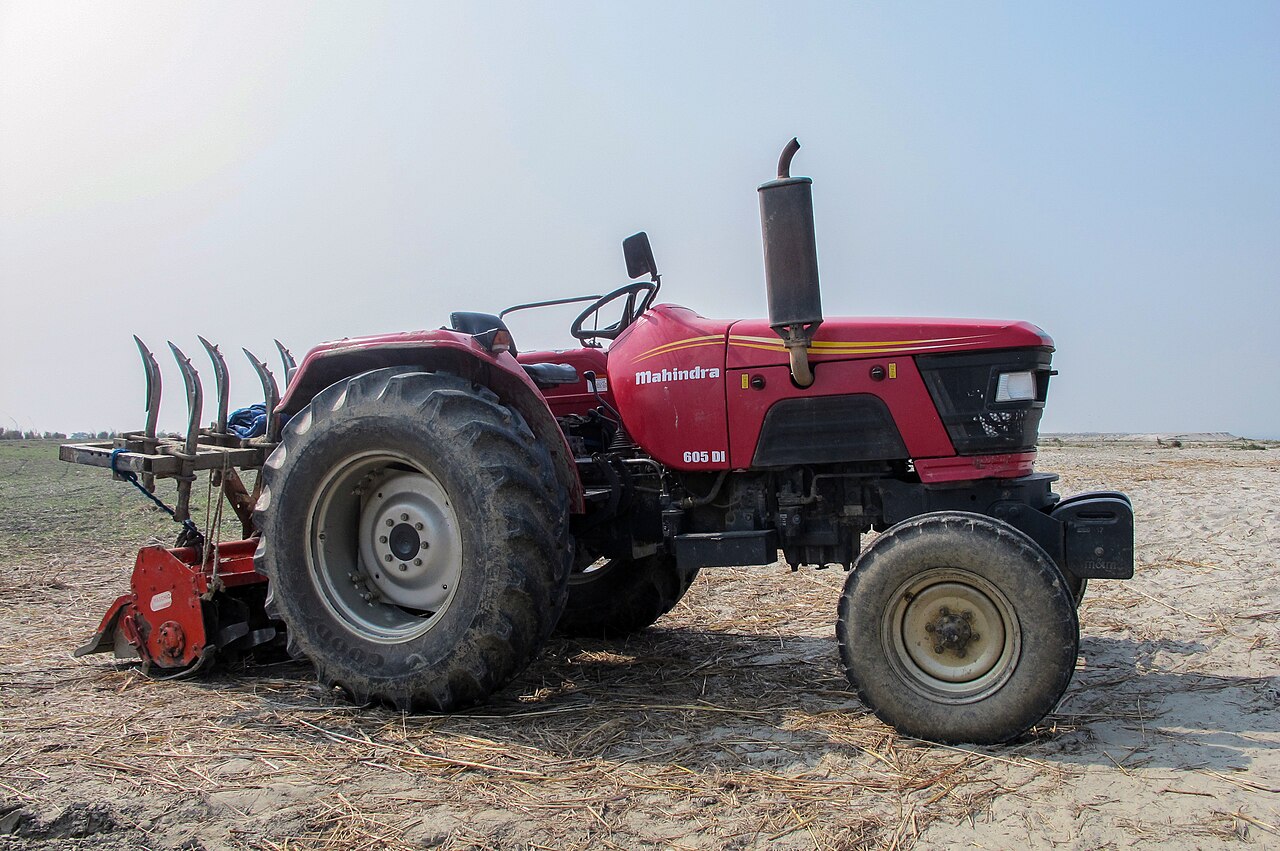
The machines in use
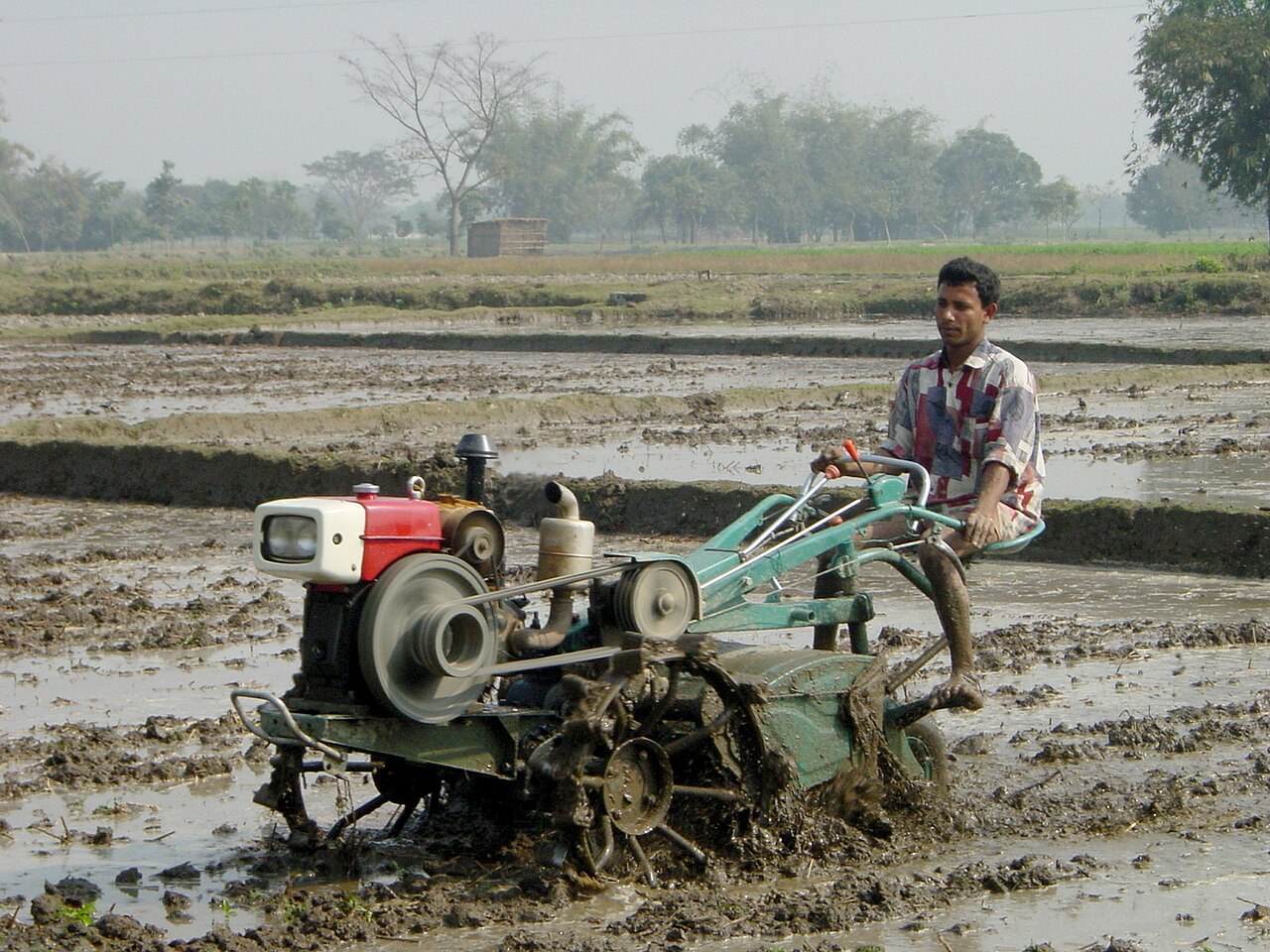
Tractor: the most familiar machine for land preparation, ploughing a large area fast and well.
Combine harvester: cuts, threshes and cleans the crop in one pass — the operation that has changed the rice and wheat harvest most.
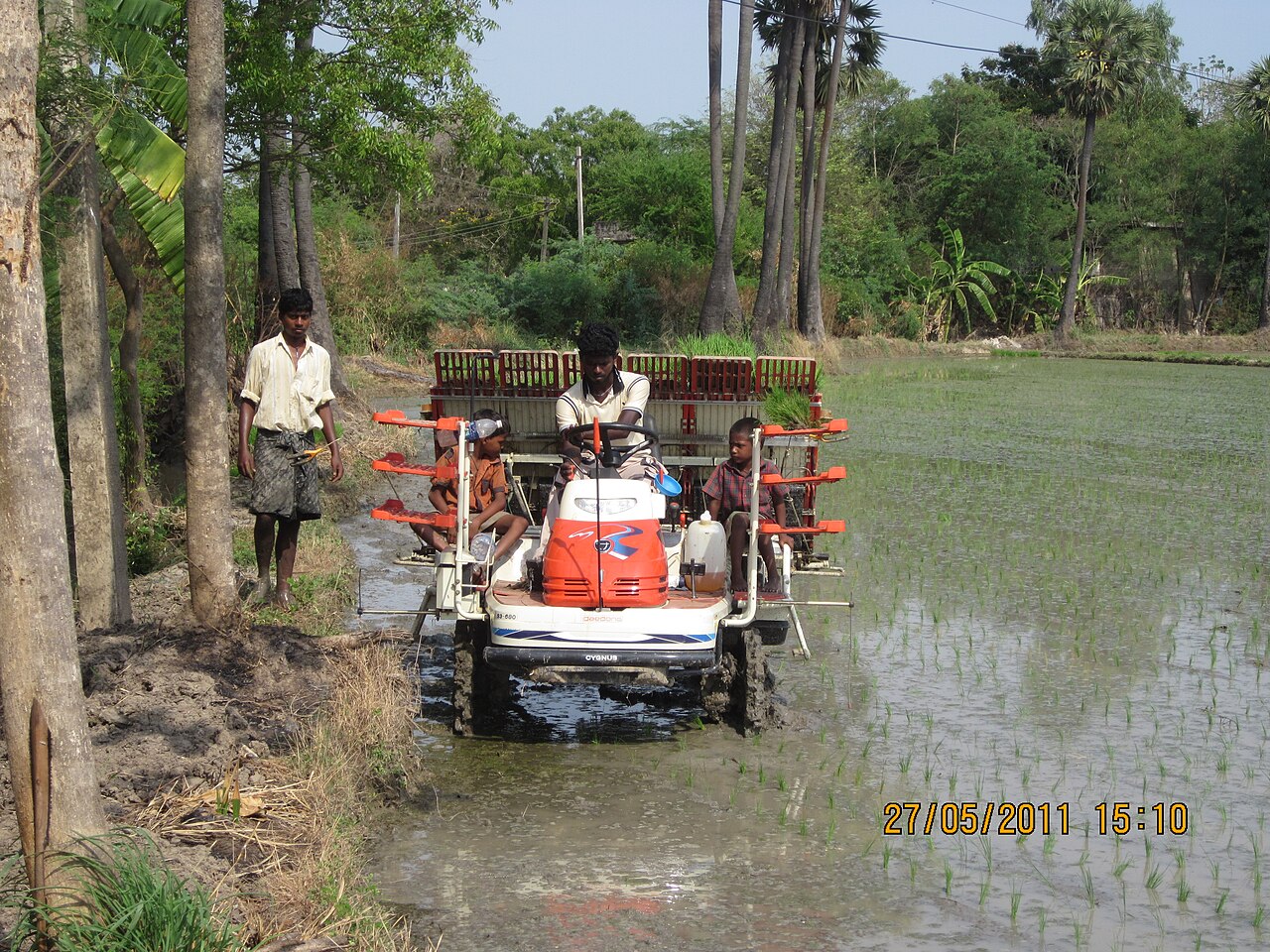
Rice transplanter: plants seedlings in rows, saving both labour and time at the busiest moment of the rice calendar.
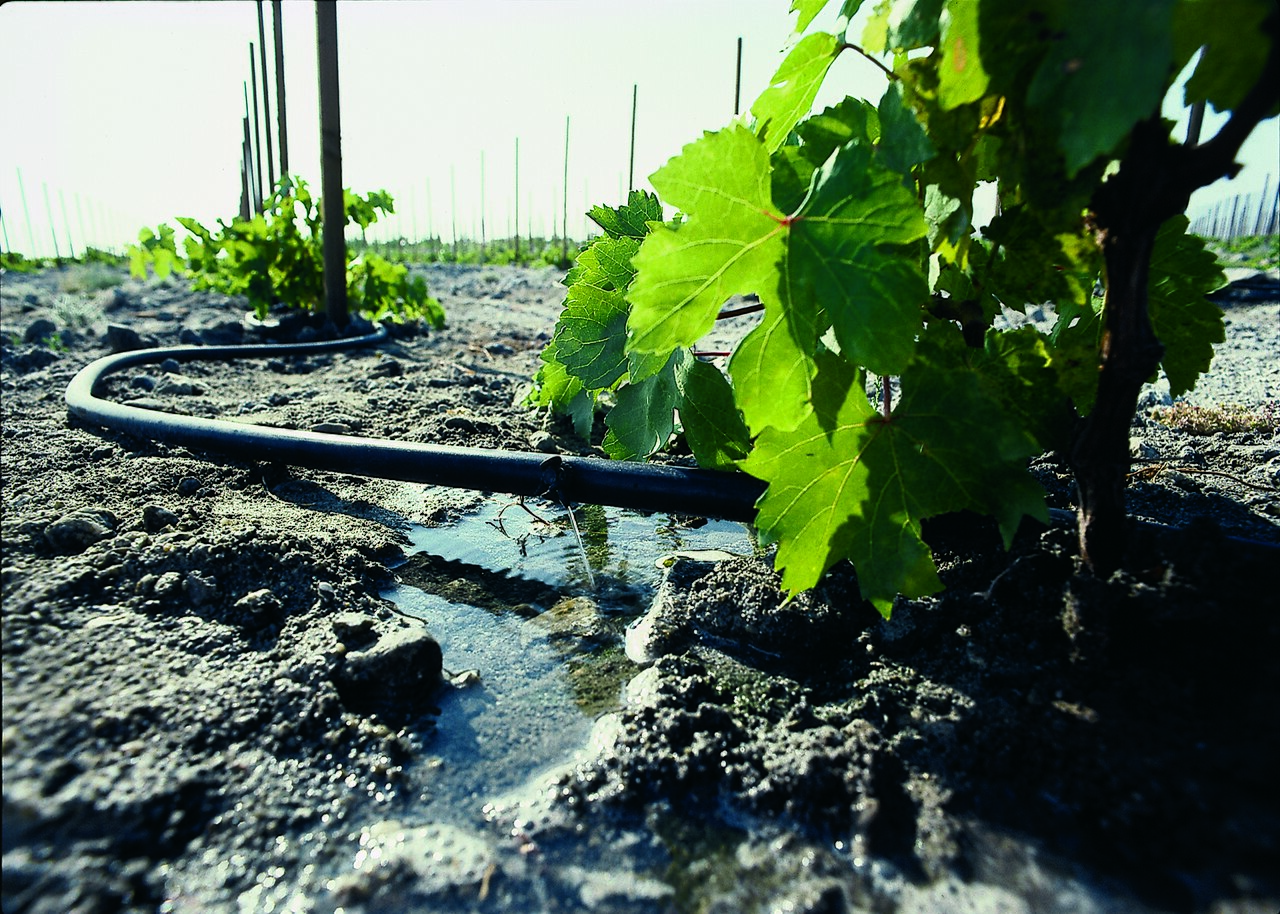
Drip irrigation: delivers water straight to the root zone, drop by drop, and is one of the most water-efficient ways of irrigating a crop.
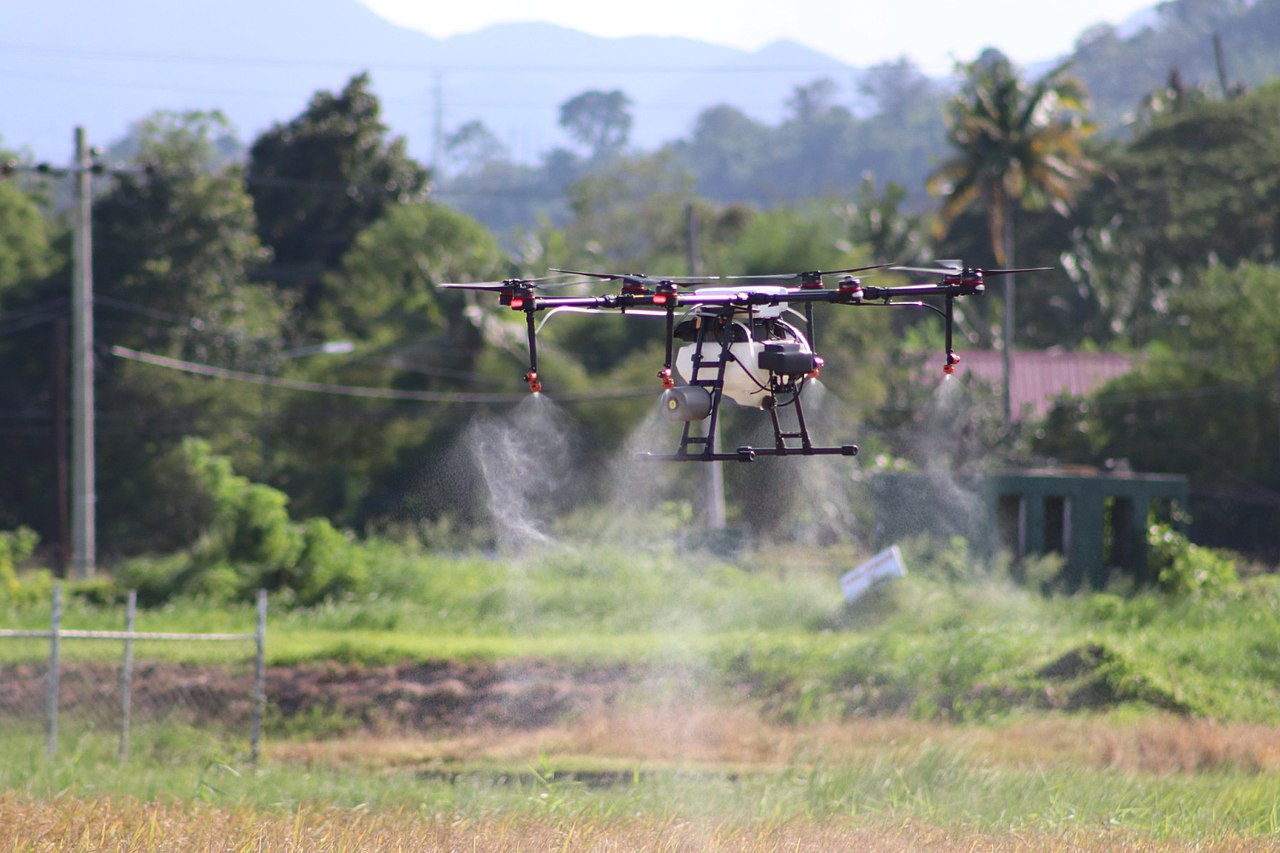
Drones: survey the whole field from above and spray pesticide where it is needed.
Where Bangladesh stands
Mechanisation is advancing quickly in Bangladesh. Government programmes and the easier availability of modern machines are changing the fields:
- Subsidy: the government subsidises the purchase of modern farm machinery.
- The private sector: companies supply the machines and train the farmers who run them.
- Smart farming: mobile apps and drones are increasingly part of the toolkit.
The challenges
- High up-front cost: buying a machine is a large investment for a smallholder.
- Lack of training: many farmers are not yet skilled in operating modern equipment.
- Maintenance: repair and servicing facilities are thin on the ground.
- Power and fuel: machines need electricity and fuel, which are not reliably available in every district.
What comes next
Mechanisation can secure Bangladesh's food supply, and with it raise farmers' living standards and the country's economic growth. Robotics will do more of the field work; smart farming — data analytics and AI — will reach every stage of production; and green, sustainable technologies will spread.
Mechanisation is a need of the hour, one that is making agriculture modern and profitable. With sound planning and training its challenges can be met, and investment in it will lift the country's food production and its economy.
Cover photo: A combine harvester cutting wheat at Jadur Char, Roumari, Kurigram. Photo: Tanvir Rahat / Wikimedia Commons (CC BY-SA 4.0)

Comments
(0)