
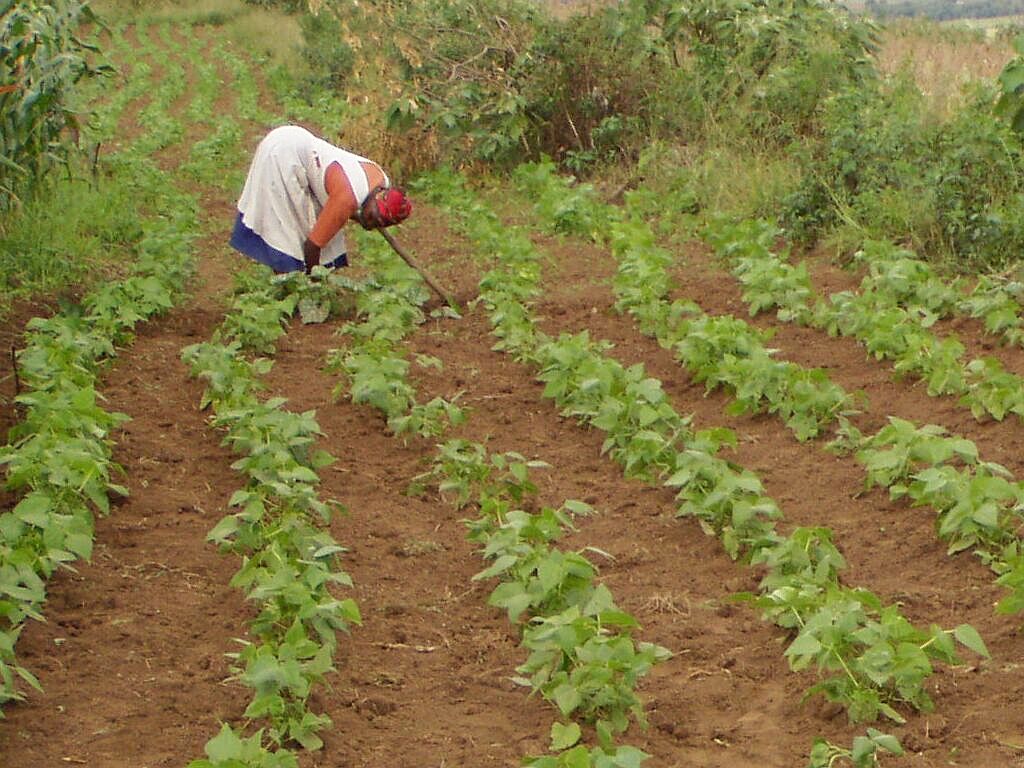
South African agriculture needs stronger partnerships between farmers, financiers, insurers, agribusinesses and government to bring more black farmers into commercial production, speakers told the Agricultural Development Agency (Agda) annual conference in Boksburg, Gauteng.
Agda board chairperson Dr Mathews Phosa said the country achieved record agricultural exports of about $15.1 billion in 2025, yet many emerging farmers still cannot get finance, insurance or markets. Lending rules that ask for title deeds, credit histories and audited accounts exclude farmers on communal land or state leases. "We sometimes hear that emerging farmers are not bankable. In our experience, many have simply not yet had the opportunity to be banked," he said. He also called for better biosecurity and affordable insurance against foot-and-mouth disease, floods and heat.
Chief executive Leona Archary said Agda's network covers more than 1.2 million hectares and over 45,000 farmers, more than 50 agribusinesses and over 26 financiers. It has raised R32 million in social investment and development funding and R33.6 million to help unlock a finance facility with the Land Bank, the Small Enterprise Development Finance Agency and the Jobs Fund, and has facilitated transactions worth R586 million. Finance alone will not solve the problem, she said; mentorship and supply agreements must tackle risk and market access too.
Wandile Sihlobo, chief economist at Agbiz and presidential envoy on agriculture and land reform, said the farm economy is expected to grow by around 8% to 9% in 2026 and exports rose 11% in the first half of the year, making South Africa the 32nd largest agricultural exporter and the only African country in the top 40. But fuel and fertiliser prices are 20% to 30% higher than a year ago, and he urged faster progress on trade deals, especially in Asia.
Phosa warned that El Niño heat is already hurting production in places, including damage to macadamia flowers, and Sihlobo said dry, hot conditions will add pressure on water and irrigation. The report is by Patricia Tembo.
Photo: Alandmanson / Wikimedia Commons (CC0)
Source: Food for Mzansi

Comments
(0)