
Farm input retailers in the United States face higher operating costs, changing customer expectations and a growing range of technology-driven services, and that is forcing a basic question: what value will growers keep paying for? Amy Asmus, co-owner of Asmus Farm Supply, discussed it on a recent episode of CropLife Retail Week, reported by CropLife's Matt Hopkins.
"A real key question that everybody needs to ask themselves is what value will growers pay for when products, recommendations, and data become increasingly more available through technology sources?" Asmus said. Some co-operatives and independent retailers are already reconsidering which businesses they run, she said, and that may lead some to narrow their focus rather than try to offer every possible service.
Her own company is an example. Asmus Farm Supply concentrates on crop protection, with some liquid plant nutrition, seed and seed treatment, and unlike many co-operatives it does not handle grain, energy or feed. Knowing where the business creates value is part of that choice, she said.
Technology does not remove the need for a retailer, in her view, but it changes where the retailer earns its place. Some services are safe: "Obviously, technology is not going to gather grain, grind it, and get it to you for your livestock." For crop-focused dealers the case is harder, because growers can now get product information, application advice, weather and crop conditions from digital tools. "What we need to do is how do we create the possibility that our growers see us as the trusted source and not technology?" she said.
For decades many retailers tried to be a one-stop shop, from crop inputs to grain, fuel and feed. Asmus expects more businesses to question that model over the next couple of years, with specialisation for some and diversification for others, and says the important thing is to make the choice deliberately rather than carry on as before.
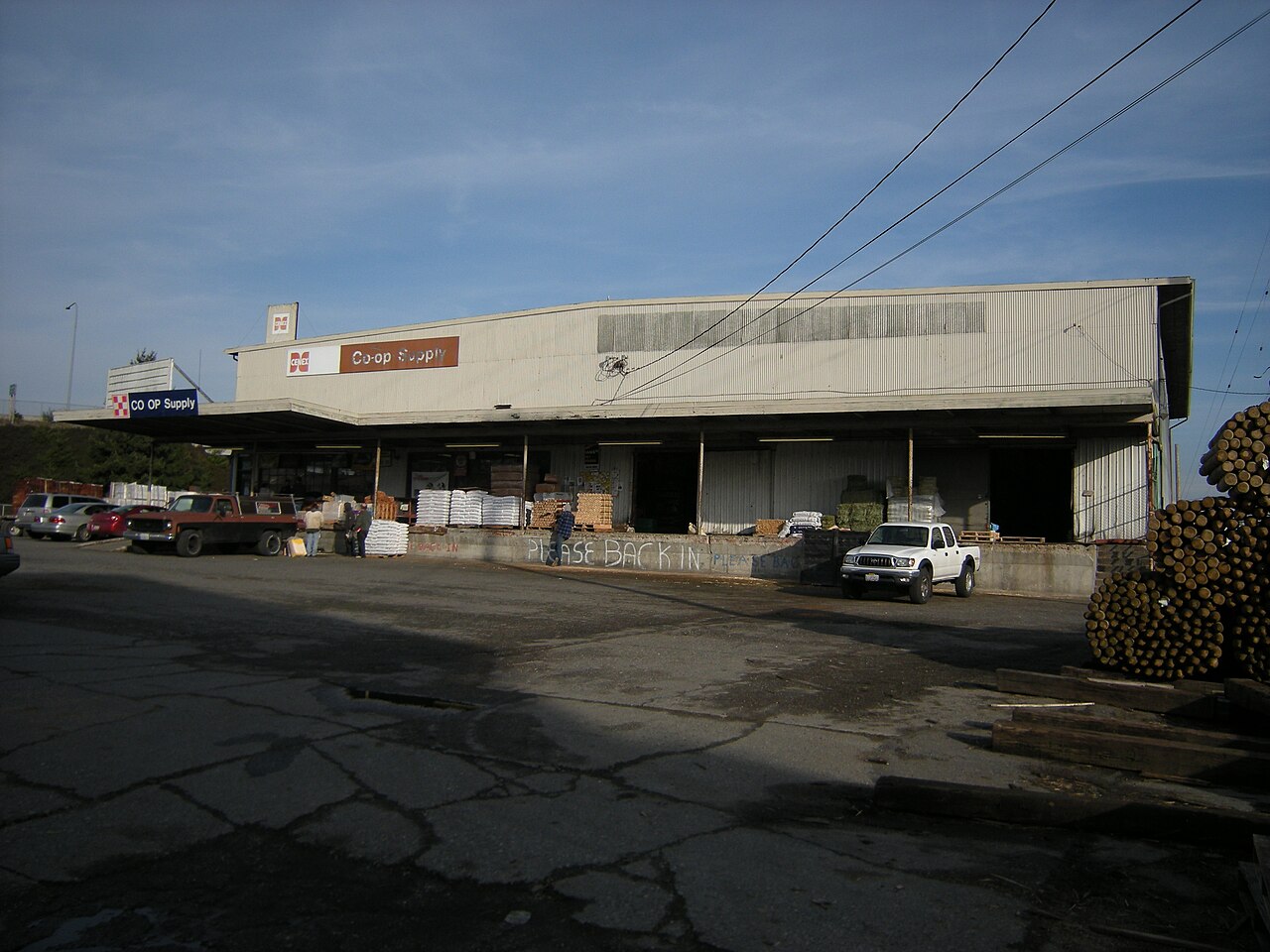
Photo: Joe Mabel / Wikimedia Commons (CC BY-SA 3.0)
Source: CropLife

Comments
(0)