
Uncertainty over ad hoc government payments, and what happens to farmers when they stop, was a repeated theme at the American Bankers Association Agricultural Bankers Conference, with speakers urging lenders to examine how borrowers would fare without the aid.
Since 2018, US farmers have received $140 billion in ad hoc payments for trade disruptions, the pandemic, low commodity prices and now fuel prices. This year alone brought $12 billion in Farmer Bridge Assistance, and the administration then announced $8 billion through the Harvest Fuel Relief Program.
In the association's annual lender survey, roughly 50 per cent of lenders said 25 per cent or more of their borrowers' net income was tied to direct government payments, up from 30 per cent a year ago. More than two-thirds expect that reliance to grow in 2027. Nearly 80 per cent said they do not count possible payments in underwriting if they are not already authorized.
"It certainly has helped maintain cash flows for farmers and maintain the loan portfolio from deteriorating for bankers. But if that goes away, that's going to make it more difficult going forward," said Sam Miller, a retired banker who now advises and teaches agricultural loan officers.
Bankers said there is already concern that 2027 could be the most expensive crop grain farmers have ever grown. "What's 2027 going to be between fuel, fertilizer, and other inputs?" asked Jeff Meeker, chief lending officer at LCNB National Bank in Lebanon, Ohio.
Trey Malone, an agricultural economist at Purdue University, told lenders to test their 25 largest operating lines without government payments, and warned that late payments or new distribution rules could also disrupt borrowers' finances. Ad hoc aid has ranged from negligible to $20 billion a year. "The payments probably won't look the same as they used to," he said. He also cautioned against relying on farmland values when judging an operation's ability to repay.
Tuesday's election adds to the doubt. David Kohl, professor emeritus at Virginia Tech, said he expects Democrats to pursue adjustments to payments and subsidies, though he cautioned against expecting an abrupt shift.
Reported by Chris Clayton, DTN Farm Business Editor.
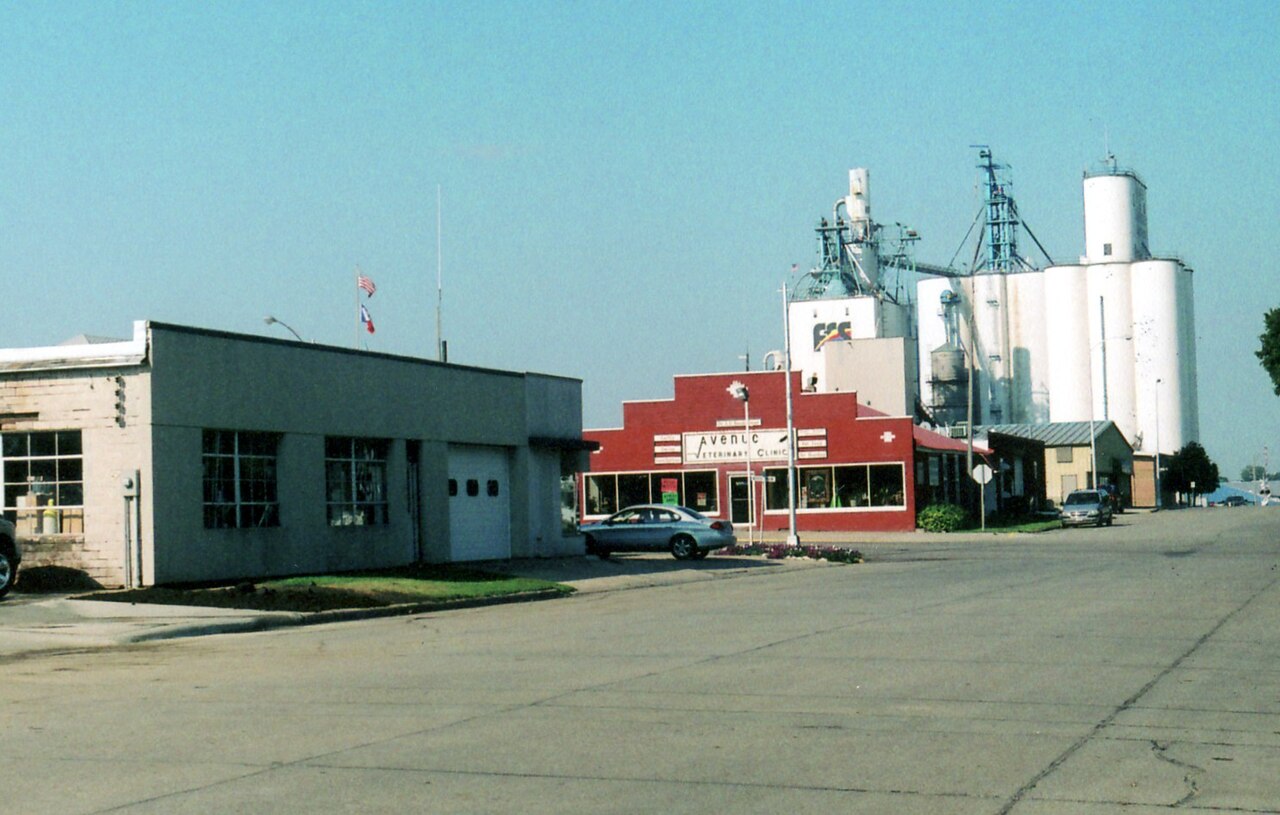
Photo: inkknife_2000 / Wikimedia Commons (CC BY-SA 2.0)
Source: DTN / Progressive Farmer

Comments
(0)