
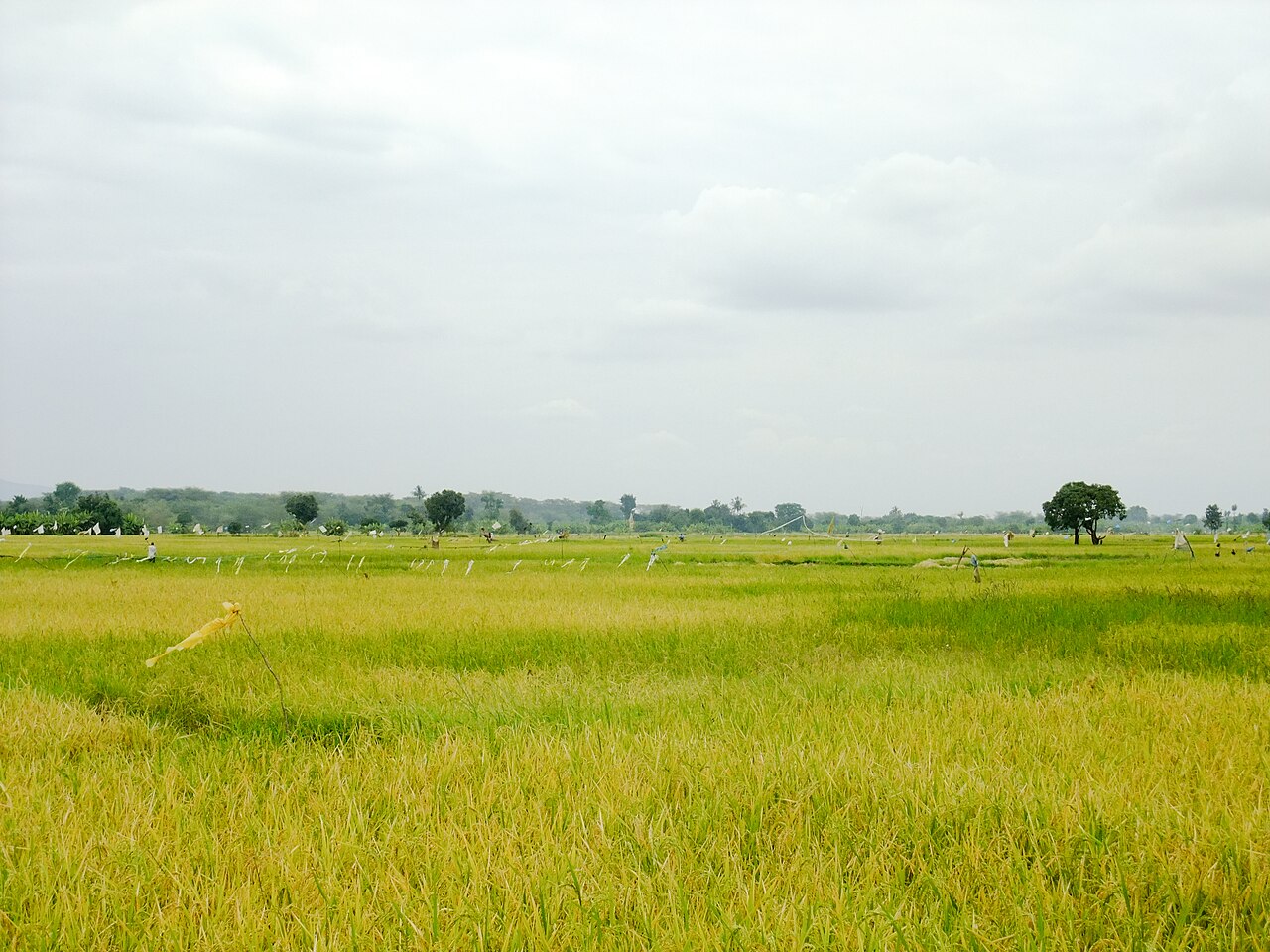
Sub-Saharan Africa now accounts for about a third of all rice imported worldwide, and the continent's rice import bill is estimated at more than US$6 billion a year, writes Sofia Tesfazion, regional director for Africa at the International Rice Research Institute (IRRI). The question, she argues, is no longer only how to grow more rice but how to connect Africa's more than 35 million smallholder rice farmers to seed, irrigation, machinery, finance, processing and markets.
She points to targets in the African Union's CAADP Kampala Declaration: raise agrifood output by 45%, halve post-harvest losses, triple intra-African agrifood trade and mobilise US$100 billion in investment. At the Africa Food Systems Forum in Kigali in September, Nigeria, Senegal, Côte d'Ivoire, Guinea, Ghana and Sierra Leone launched a US$500 million West Africa Rice Investment Facility, with the ECOWAS Bank for Investment and Development committing US$100 million.
National paths differ. Tanzania reached a rice self-sufficiency ratio of 112% in 2023/24 and now supplies its neighbours. In Ethiopia, where rice is a national flagship programme, the agriculture ministry says smallholder rice area grew from 60,000 to 1.7 million hectares in five years while imports fell by two-thirds. Kenya's National Irrigation Authority is rehabilitating schemes such as Mwea, Ahero, Lower Kuja and South West Kano, lifting paddy output from about 192,000 tonnes in 2022 to around 305,000 tonnes in 2025, toward a goal of 1 million tonnes. Farmers there have taken up Komboka, a high-yielding variety developed with IRRI and KALRO that they helped select.
The Global Rice Policy Dialogue in Addis Ababa on 15 and 16 October, co-hosted by the African Union and IRRI with AfricaRice, the CGIAR Policy Innovations programme and the Ethiopian Institute of Agricultural Research, will bring African and Asian perspectives together on production, reserves and trade, and how one country's choices affect another's.
For Asian rice exporters, including India, Africa's growing demand is a major market; for African governments, the dialogue is about keeping rice affordable while building domestic supply.
Photo: lecucurbitacee / Wikimedia Commons (CC BY 2.0)
Source: IRRI

Comments
(0)