
Regenerative agriculture works when farmers get support that fits local conditions, say executives of the grain trader ADM, drawing on two programmes at opposite ends of farming: broadacre cotton in Australia and smallholder soybean in India, reports Amanda Lim for AgNavigator.
ADM applies one definition and set of principles worldwide, said Timothy Henry, managing director of ADM Trading Australia, and Amrendra Mishra, ADM's managing director of ag services and oilseeds and country manager for India, but certification has to be adapted so farmers can adopt practices that make sense for their own land.
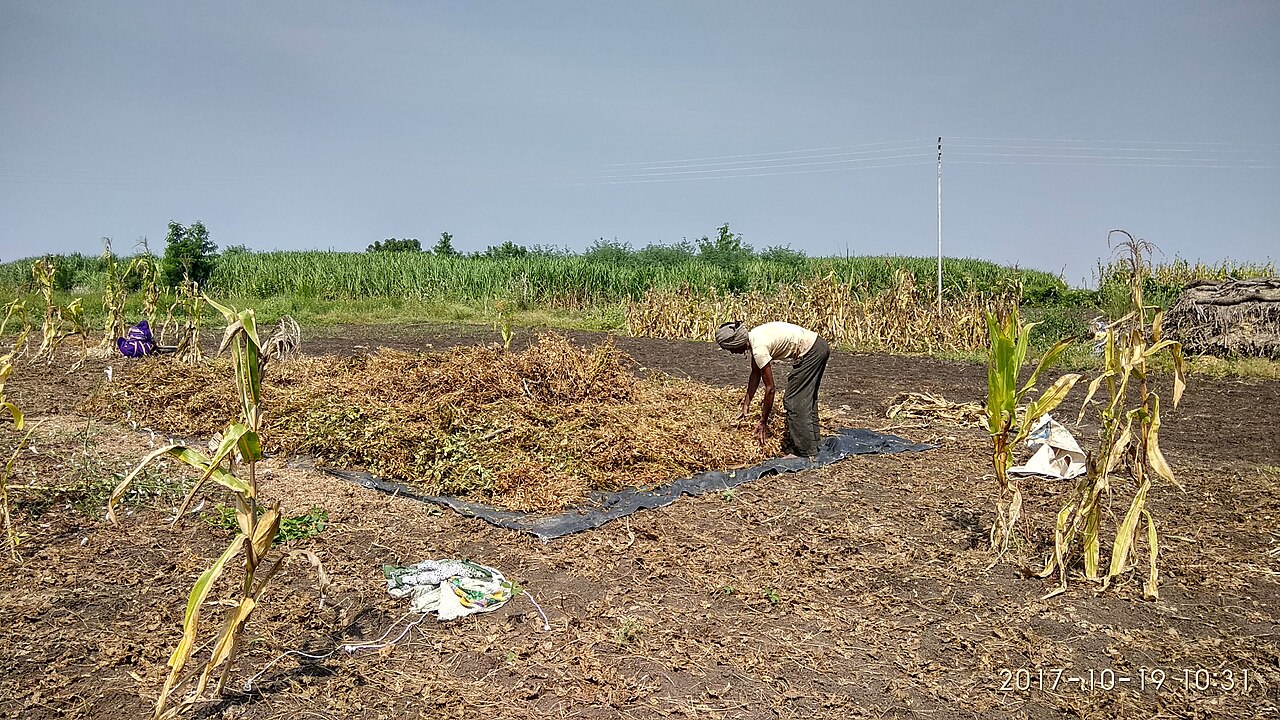
In India, where its soybean programme has held ProTerra certification for five consecutive years, ADM has worked with soybean growers for nearly two decades on inputs, resource conservation, extension and market links. Over the last five years it has invested in farmer producer organisations (FPOs) and now works with more than 350 FPOs representing about 50,000 farmers. Working through these groups lets it spread knowledge and technical support efficiently and encourages experienced FPOs to teach newer ones.
A partnership with TechnoServe showed the value of listening to smallholders before designing programmes, and led to Farmer Field Schools, demonstration plots and phased adoption, so farmers can trial practices and see results before expanding them.
In Australia, the cotton programme runs under the ADM Regenagri Farm Group Licence with a relatively small number of growers. ADM sold Regenagri-certified cotton from 19,964 acres in the 2024/25 season, and 21,976 acres were planted on certified farms for 2025/26.
Across both, the executives said, farmers need practical knowledge, technical support and the confidence to try new practices without risking yield and income, while buyers' demand for traceability has to make certification worth the effort. There is no single blueprint, they said, and collaboration along the supply chain is what will scale it.
Photo: Valisport24 / Wikimedia Commons (CC BY-SA 4.0)
Source: AgNavigator


Comments
(0)