
Fruits
Heat Drives Up Demand for Green Coconuts as Mangoes and Litchis Flood Markets
The heatwave has raised demand for green coconuts in Dhaka, while seasonal mangoes and litchis are plentiful and affordable.
The heatwave has raised demand for green coconuts in Dhaka, while seasonal mangoes and litchis are plentiful and affordable.
Bandarban's markets are full of local and foreign mangoes selling at Tk 60 to Tk 300 a kg, though most buyers stick to cheaper local varieties.
Mangoes from various districts are selling briskly from vans on Dhaka's streets and alleys at Tk 80 to 150, depending on quality and size.
Commercial litchi orchards on the hillocks of Manikpur village in Chhatak are transforming the economy of the remote village.
Mature mangoes knocked down by a storm in Chapainawabganj's Gomostapur upazila are selling for just Tk 3.5 a kg.
 Crops
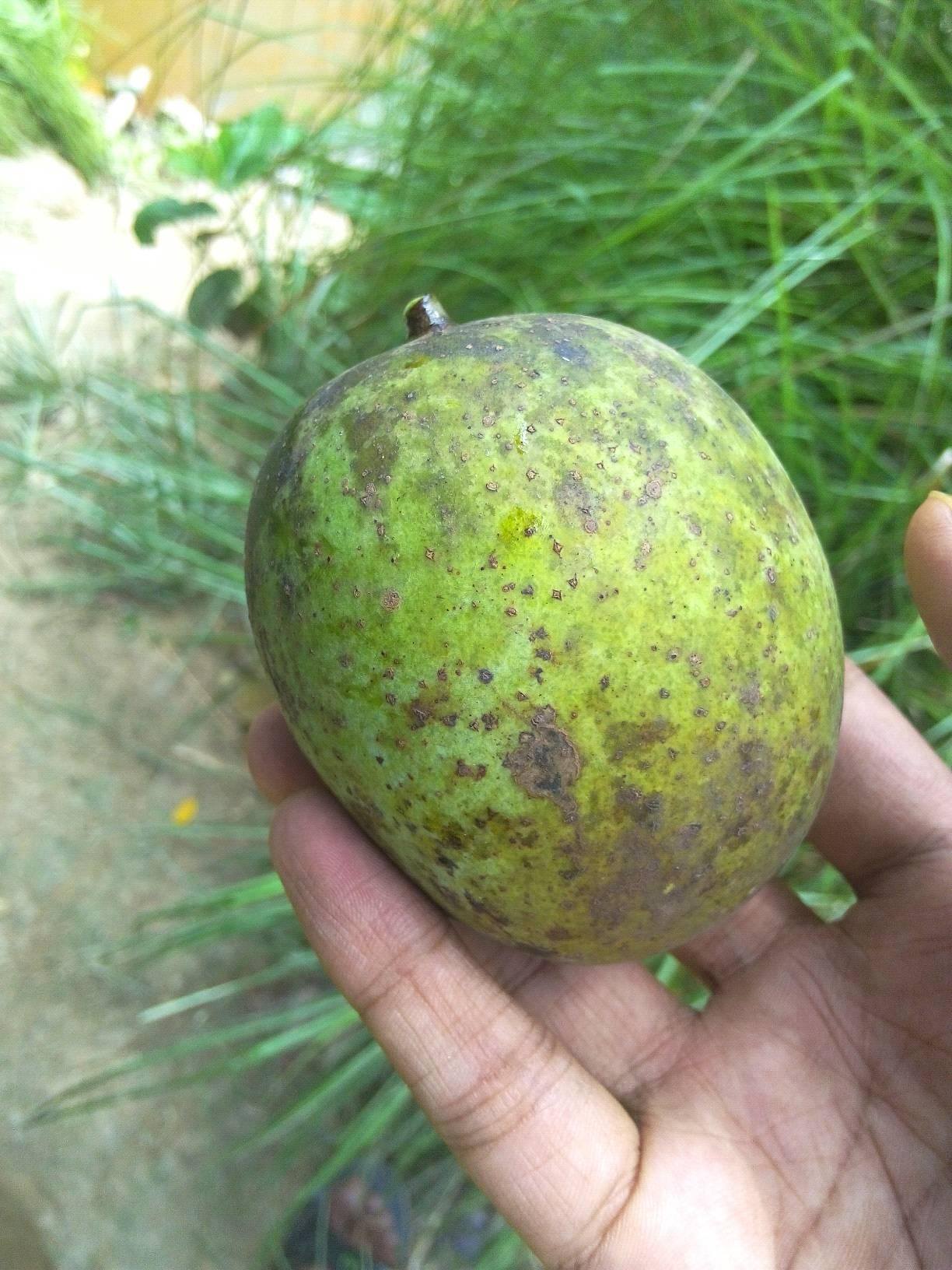
Rajshahi's mango calendar set 22 May for Gopalbhog, but on 17 May 2025 the variety was already selling in the city's markets at Tk 70-80, and buyers said most of the fruit was unripe. The agriculture department believed it came from outside the district.
Beltala in Jashore's Sharsha upazila, one of the country's largest mango markets, trades 15,000 to 20,000 maunds of mangoes worth Tk 5 to 6 crore every day.
Dhaka's markets are full of seasonal fruit at the start of Jyoishtha, with mangoes and litchis in highest demand and prices mostly within buyers' reach.
Farmers bringing new paddy from the haor to Bhairab by trawler are frustrated as prices have fallen by Tk 500 a maund in a month.
The government has halved the tax collected at source on imports of fresh fruit such as apples, grapes, pears, oranges and malta, from 10 percent to 5 percent.
At Nazirartek near Cox's Bazar, the country's largest dried-fish village, thousands of fishing families work from dawn to turn the sea's catch into shutki, with daily trade worth crores of taka.
With prices of essentials climbing, Dhaka residents are queuing for subsidised goods and cutting meat, fish and fruit from their meals.
A guide to making dried fish without toxic pesticides using low-cost net-covered tunnels, salting and spices, and to telling safe dried fish from spoiled or treated fish.