
New infestations of yellow nutsedge (Cyperus esculentus) on a handful of farms in East Anglia have exposed a wider gap: the UK has no coordinated system for identifying, monitoring and responding to invasive agricultural weeds, an industry meeting of researchers, agronomists and crop organisations concluded.
European experience shows how fast a local problem becomes hard and expensive to contain. Swiss field studies recorded average yield losses of 67% in sugar beet at 68% nutsedge cover and 34% in potatoes at 44% cover, and the weed's rhizomes can grow through potato tubers, spoiling them.
It spreads mainly by underground tubers 2-18 mm across, though seed can contribute. Belgian work suggests one tuber can produce 750 daughter tubers in a season, with densities of 1,100-5,000 tubers per square metre recorded, about 85% of them in the top 15 cm of soil. As a warm-season plant it grows fast in heat and tends to emerge later than many UK crops.
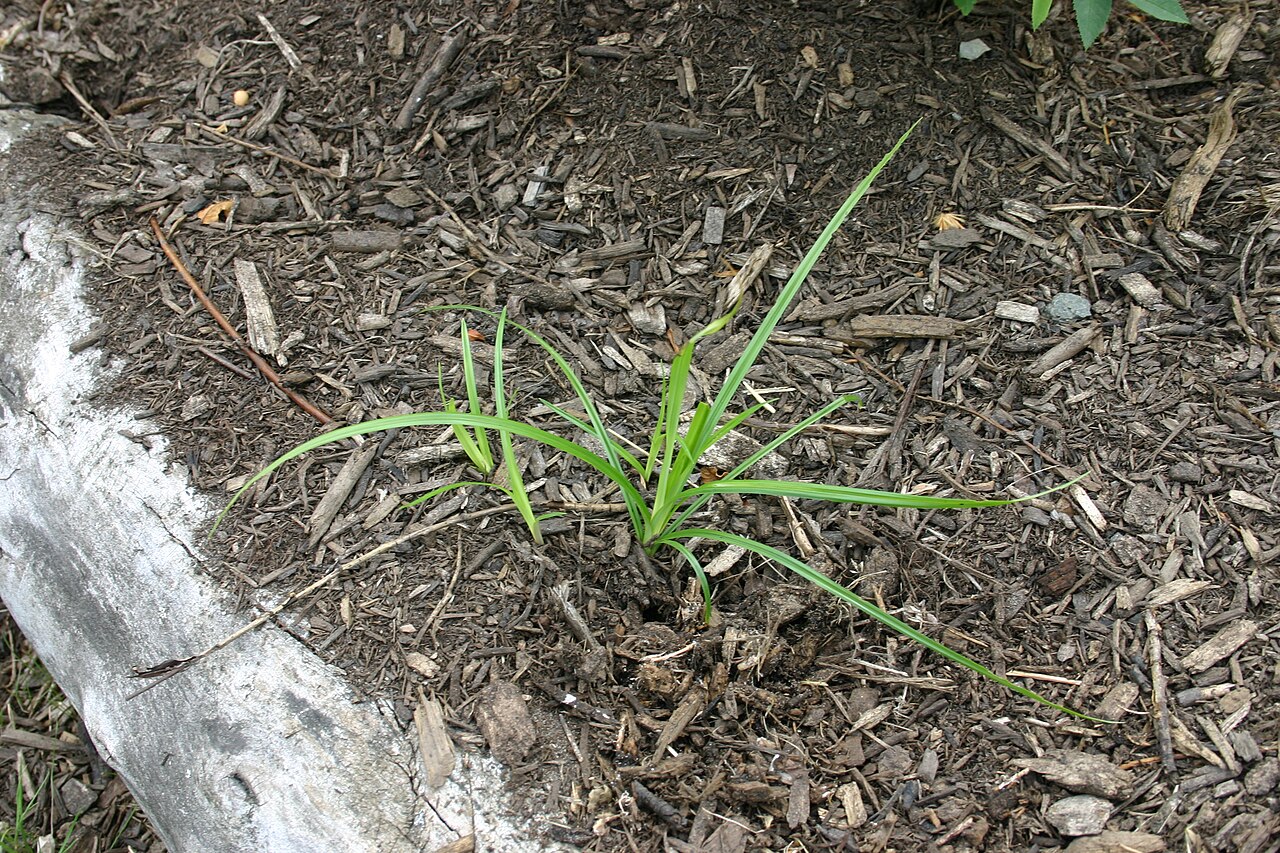
How to recognise it: yellow-green, fairly shiny leaves in three ranks around a triangular stem ("sedges have edges"); rhizomes, basal bulbs and round brown tubers; yellow-green patches in the crop and, at flowering, a yellow-brown seed head. It can be confused with sea club-rush, galingale, tall flatsedge and common sedge.
Check gateways, headlands, moved soil, root-crop and maize fields, watercourses, rented land and fields worked by contractors. Do not just pull the leaves: carefully dig up suspect plants and get expert identification. "You should be worried about weeds like nutsedge becoming established on your farm," said Adas weed scientist John Cussans, whose first priorities are awareness and finding out how widespread it already is.
Photo: SB Johnny / Wikimedia Commons (CC BY-SA 3.0)
Source: Farmers Weekly



Comments
(0)