
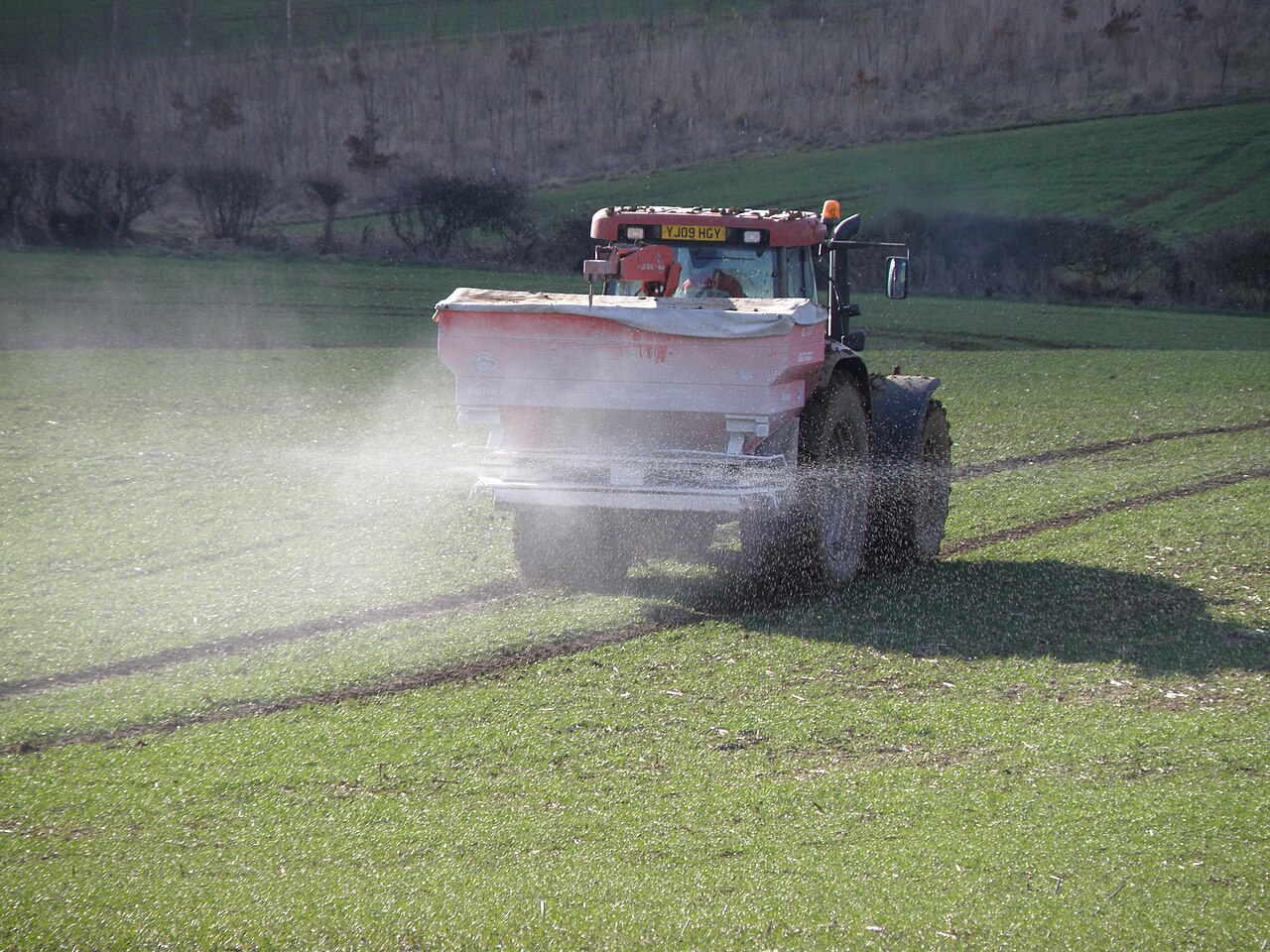
Farmers in Europe, North America and Brazil are buying fertiliser for the 2027 season later than usual, leaving large volumes still to be bought before the Northern Hemisphere application season, Yara International chief executive Svein Tore Holsether said on the Norwegian company's third-quarter earnings call, AgNavigator reported.
"Purchasing for the 2027 season is lagging in Europe, in the US and Brazil, leaving significant volume still to be bought as the Northern Hemisphere application season approaches," Holsether said. The delay follows a turbulent year for fertiliser, shaped by supply disruption in the Middle East, weak crop prices earlier in the season and doubts about what farmers could afford.
Management said there is little sign that farmers plan to cut nutrient use. Holsether said nitrogen has become more affordable than earlier in 2026 and crop prices are stronger than six months ago, so a rise in demand would be more logical than further rationing. Chief financial officer Magnus Krogh Ankarstrand said buying remains well behind normal but there was "no reason to think" demand would fall sharply.
Yara's European nitrogen deliveries rose 4% year on year in the quarter while the wider market shrank by an estimated 5-10%. Supply is tight: European imports for the coming season are down about 30%, Brazilian imports of urea and ammonium sulphate have fallen, exports through the Strait of Hormuz are reduced, and high gas prices have curtailed ammonia production across Europe. Management warned that late buying could matter more if supply stays constrained.
Third-quarter EBITDA excluding special items fell to $675 million from $804 million a year earlier, which the company put down to higher European gas costs, lower volumes and reliability problems at its plants. It kept its improvement targets and said the planned purchase of Gulf Coast Ammonia would spread its energy exposure.
For growers, the message is that a late rush for nitrogen is possible this winter if supply does not improve.
Photo: Michael Trolove / Wikimedia Commons (CC BY-SA 2.0)
Source: AgNavigator


Comments
(0)