
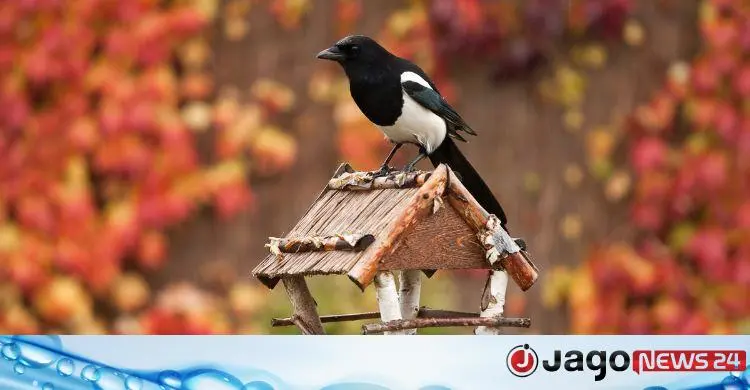
The birds, squirrels, bats, mynas, sparrows and small reptiles that live around us are, like us, children of this earth and part of nature. But are we doing anything for them?
Instead, the concrete cities we have built are pushing them into an ever tighter corner. Trees, water bodies and safe habitats are shrinking, so the wildlife living closest to human settlements is in the greatest danger.
Today, 3 March, is World Wildlife Day. On this day marking the coexistence of people and nature, all of us should know which everyday actions can help protect these animals.
The United Nations Environment Programme has warned that urbanisation and habitat destruction are major causes of biodiversity loss. The International Union for Conservation of Nature's Red List shows that countless species are heading towards extinction because of habitat loss and human-made threats. So awareness should begin at home, on the balcony and on the rooftop.
Plant native trees and keep wild birds free
Trees are the main lifeline for birds and small animals in populated areas. Native fruit and flowering trees give birds food and places to nest. Planting local species, rather than only ornamental foreign trees, helps keep the environment in balance.
Buying parrots, mynas or other wild birds as a hobby and keeping them in cages is illegal and inhumane, and it fuels the illegal wildlife trade. The World Wildlife Fund says the illegal wildlife trade is a major threat to biodiversity. Wild birds belong to nature, not to home decoration.
Water, fewer pesticides and the right help for injured animals
In summer, a small bowl of clean water helps birds. The water must be changed regularly, though, so that mosquitoes do not breed in it.
Heavy use of pesticides in home gardens or on rooftops reduces insects, and with them a food source for birds. Toxic chemicals also harm small animals. Using environment-friendly alternatives protects local wildlife.
We often bring an injured bird or wild animal home when we find one, but the wrong care can harm it further. Contacting the local forest department or a wildlife rescue organisation is the safe course.
Lessons in protecting nature should start in childhood. Not destroying birds' nests, not throwing stones and being kind to animals are the habits that make environment-friendly citizens of the future.
World Wildlife Day is not only about tigers or elephants in the forest. Protecting the sparrow that visits our balcony, the bats that fly out at dusk or the magpie robin perched on a branch is part of it too. Protecting wildlife is not a distant task; it is part of our daily behaviour.
Sources cited: United Nations Environment Programme, International Union for Conservation of Nature Red List, World Wildlife Fund report.
Source: Jagonews24. First published in Bengali on The Agro News.

Comments
(0)