
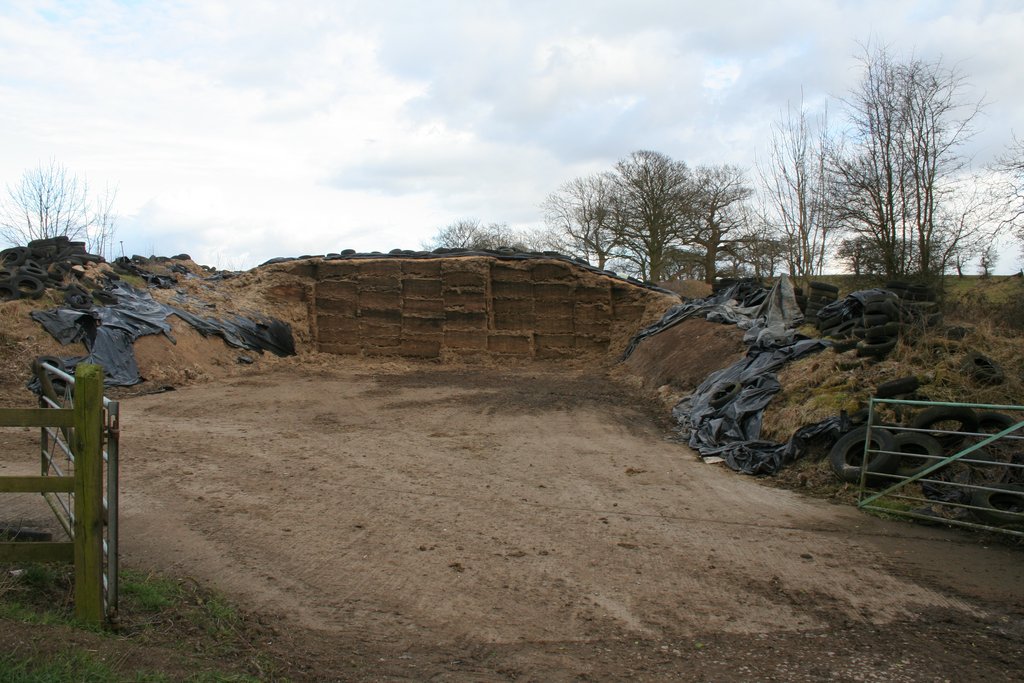
Beef and sheep farmers should measure grass and count silage stocks now to see whether they can meet their animals' feed needs this winter, Precision Grazing consultant James Daniel told an AHDB webinar on autumn and winter grazing, Farmers Weekly reported.
Grass yields were 16% lower by mid-August than in 2025, he said, and he expects at least a 10-15% shortfall by the end of the year, with some dry farms 25-33% down. Rain in August and September brought uneven recovery: some farms in north-west England took a 40-hectare autumn silage cut, while others in the north-east were growing only 4 kg of dry matter per hectare a day in October. Some farms have already dipped into winter stocks or lost winter forage crops.
His advice is to build a forage budget. "Measure now to know your position. Get forage analysed, as a swing in dry matter can add or subtract from the feed available in your budget," he said. Count remaining forage and bought-in feed, assess crops and winter grazing, convert everything to tonnes of dry matter, allow for feeding and storage losses, and compare it with the herd's or flock's winter demand; software can predict the date feed runs out.
To close a gap, farmers should check straw and hay availability with dealers and work with a nutritionist to stretch forage cost-effectively. "Monitoring early means you have several options; don't wait until you run out of silage," Daniel said.
He warned against grazing late into autumn to save silage, which would "undermine spring success next year". Spring grass, at 12 MJ of metabolisable energy per kg of dry matter and 20% crude protein, costs 4-6p/kg DM against 45p/kg for concentrates. Fields grazed for the last time in November and then shut up will be ready again in March; those closed in December not until April. Buffer feeding is better than grazing on, he said, except perhaps on heavy, wet farms where ground is still dry after the drought.
Photo: Mark Anderson / Wikimedia Commons (CC BY-SA 2.0)
Source: Farmers Weekly

Comments
(0)